
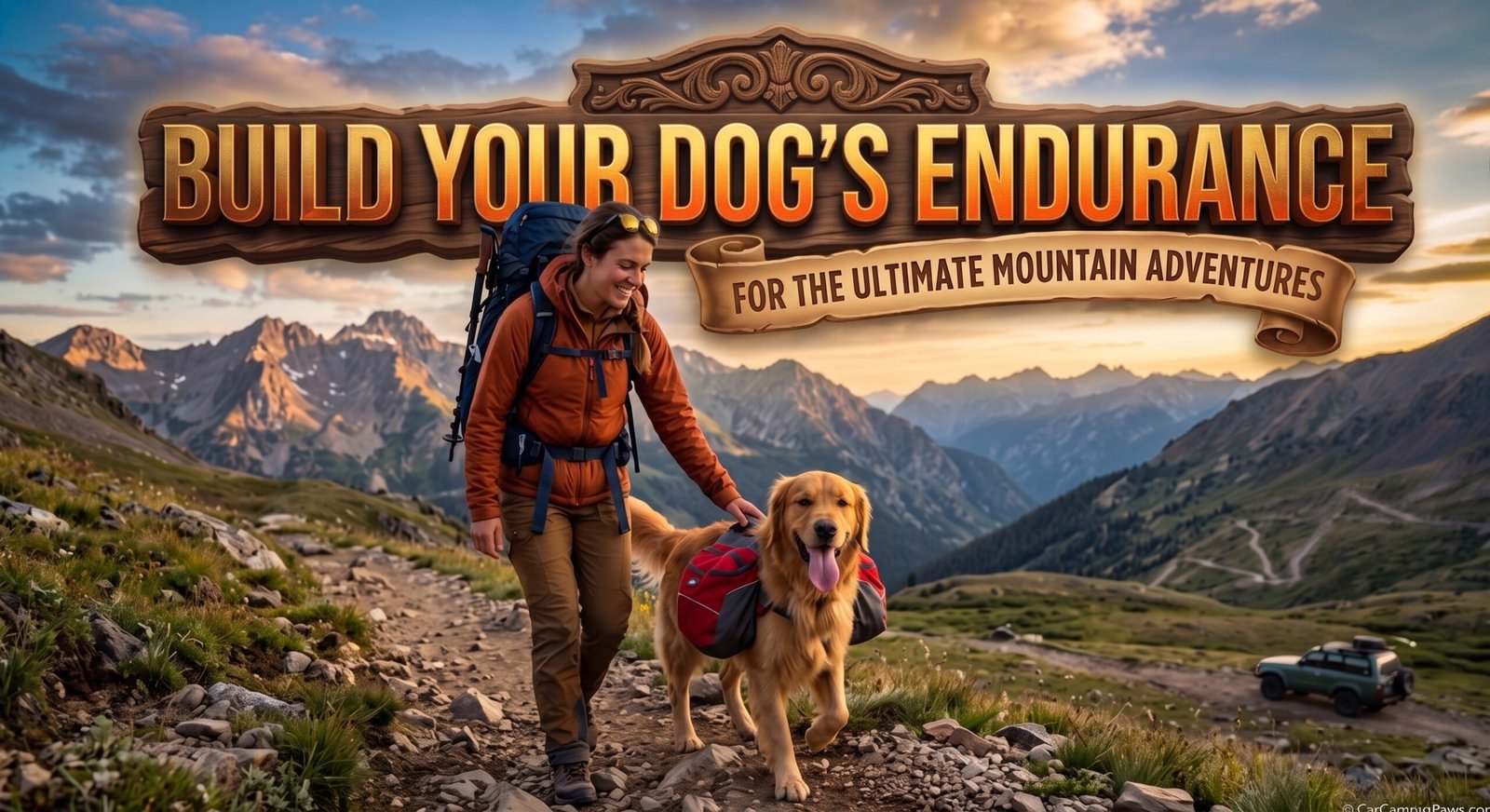
How to Build Your Dog’s Endurance Through Effective Backpacking Conditioning for Dogs
How to Build Your Dog’s Endurance for Long Mountain Hikes
The definitive guide to backpacking conditioning, trail stamina, and safe wilderness adventures with your canine companion.
Every outdoor enthusiast dreams of hitting the rugged trails with their canine best friend by their side. There is something deeply satisfying about watching a dog bound through high alpine meadows, navigate rocky switchbacks, and share a quiet moment of rest at the summit of a challenging mountain climb.
However, taking your dog straight from the living room couch or a routine neighborhood walk to a demanding multi-day mountain trek is a recipe for injury, exhaustion, and a miserable experience for both of you.
Just like human athletes, dogs need a carefully structured training program to prepare their muscles, joints, cardiovascular systems, and paws for the unpredictable rigors of the wilderness.
Proper backpacking conditioning for dogs is the absolute cornerstone of a safe, healthy, and deeply enjoyable off-grid adventure. It involves a strategic blend of physical training, environmental exposure, gear acclimatization, and careful health monitoring.
Whether you are planning your first weekend overlanding trip or a steep alpine ascent, taking the time to build your dog’s strength will transform them into a reliable, happy trail companion.
The reality of the great outdoors is vastly different from a paved sidewalk or a local enclosed dog park. Mountain trails present uneven terrain, loose scree, steep elevation gains, hidden roots, extreme weather shifts, and physical obstacles that require entirely different physical adaptations.
When you decide to explore remote landscapes, your dog relies entirely on your judgment to keep them safe.
Understanding backpacking conditioning for dogs properly ensures that they will not only keep up with your pace but will also recover quickly and remain sound for years of future adventures.
In this comprehensive guide, we will explore the exact steps needed to transition your pup from a casual walker into a capable, resilient outdoor explorer, covering everything from foundational fitness to specialized trail safety protocols.
Understanding Dog Endurance and Physical Limits
To prepare your dog for the demands of quarry and backcountry adventures, implementing a solid routine of backpacking conditioning for dogs is essential.
Many well-meaning pet owners assume that because their dog can sprint around a fenced yard for an hour or pull eagerly on a standard leash during a neighborhood stroll, they are automatically ready for a grueling six-hour mountain hike.
This is a common and potentially dangerous misconception.
Short bursts of high-intensity activity, such as chasing a ball or wrestling with another dog, rely on anaerobic energy systems and last only a few minutes. Regular walking, on the other hand, provides mild aerobic conditioning at a flat, forgiving pace on predictable surfaces.
Long-distance hiking, steep mountain trails, and multi-hour backpacking trips demand sustained aerobic endurance, continuous muscular stabilization, and tremendous mental focus over extended periods.
A dog can easily appear full of energy at home while still struggling significantly once faced with a sustained uphill climb under a warm sun, making proper backpacking conditioning for dogs a vital priority. Several critical factors influence a dog's natural endurance and athletic capacity.
Age plays an enormous role, as growing puppies have vulnerable growth plates that can be permanently damaged by forced endurance exercise, while senior dogs require careful pacing and joint management.
Breed genetics and physical conformation also dictate performance; working breeds with high stamina and sturdy frames handle heavy workloads much differently than compact companions or heavy-chested breeds prone to overheating.
Furthermore, current fitness levels, previous activity habits, body condition score, local weather conditions, and individual health histories all combine to shape how a dog handles physical stress.
Recognizing these individual limitations allows you to tailor your expectations and design a training program built on effective backpacking conditioning for dogs that respects your unique pet's body rather than forcing them to match human ambitions before they are physically ready.
Why Backpacking Conditioning for Dogs Matters
Skipping physical preparation and suddenly throwing an unconditioned dog into a demanding mountain environment invites a cascade of physical problems. Proper backpacking conditioning for dogs is not merely about preventing heavy panting; it is a vital protective measure that safeguards your dog's long-term musculoskeletal health.
When a dog tackles steep elevation changes without conditioned muscles, their joints bear the brunt of the impact. Gradual conditioning encourages essential muscle adaptation, strengthening the stabilizing muscles around the hips, shoulders, and knees to prevent debilitating strains and ligament injuries. It also builds cardiovascular endurance, allowing the heart and lungs to deliver oxygen efficiently when oxygen levels drop at higher elevations and during steep ascents.
Beyond internal conditioning, systematic preparation hardens the exterior body through effective backpacking conditioning for dogs principles. Paw pads require time to thicken and adapt to abrasive rock, sharp gravel, and abrasive soil.
Without this gradual toughening, a dog's paw pads can easily tear, blister, or bleed miles away from the trailhead, turning a dream trip into an emergency veterinary evacuation. Proper training also drastically improves recovery times, ensuring your dog wakes up the morning after a strenuous hike feeling refreshed rather than stiff and sore.
Mental confidence is another massive benefit of structured backpacking conditioning for dogs. Dogs that are accustomed to varied terrain, environmental obstacles, and physical exertion approach the trail with a calm, focused mindset rather than panicked anxiety. By investing weeks into thoughtful preparation, you protect your dog from unnecessary pain and set the stage for a harmonious partnership in the wilderness.
How to Start Building Dog Stamina
Before you design a formal workout schedule, you need to establish an honest baseline of your dog's current fitness through careful backpacking conditioning for dogs. Observing your dog during normal daily routines provides invaluable insights into their physical capabilities. Pay close attention to how they handle your current walks.
Do they pull with enthusiasm for the entire duration, or do they begin to lag behind, drop their head, or seek out shade during the final ten minutes? Do they recover their normal breathing rate within a few minutes of returning home, or do they pant heavily for half an hour afterward? Notice how they move when getting up from a nap after an active day; any stiffness or hesitation can indicate that their current activity level is already pushing their comfortable limits.
Monitoring these signs is an essential part of backpacking conditioning for dogs, helping you ensure your dog is building endurance safely and enjoying the adventure.
Practical observation also involves monitoring your dog's physical body composition as part of your overall backpacking conditioning for dogs strategy. Run your hands along their ribcage and spine; you should be able to easily feel their ribs without pressing through heavy layers of fat, and they should possess a clearly defined waist when viewed from above.
If your dog is carrying extra weight, their joints are enduring unnecessary stress, meaning your initial phase must focus heavily on low-impact activity and dietary adjustments before adding strenuous distance or elevation.
Once you have a clear picture of where your dog stands, you can begin identifying the specific areas that need improvement, whether it is raw cardiovascular stamina, muscle tone, or paw toughness. For more ideas on organizing your trips, check out our guide on dog camping gear to ensure you have the right accessories for your training sessions.
A Gradual Plan backpacking conditioning for dog
Developing a successful conditioning routine through targeted backpacking conditioning for dogs requires patience, consistency, and a strict commitment to progressive overload without overtraining. You cannot rush physical adaptation; muscles, tendons, and ligaments adapt much slower than cardiovascular systems, meaning a dog's lungs might feel ready long before their joints can safely handle the stress. You must systematically increase walking distance, duration, inclines, terrain difficulty, and recovery periods over several weeks.
Building a Strong Walking Base
The foundation of any great trail conditioning program begins right in your neighborhood. Start by taking your dog on your regular walks, but focus intensely on consistency and steady pacing. Eliminate the chaotic stop-and-sniff habit where possible by encouraging a steady, brisk forward march that keeps their heart rate elevated within a healthy aerobic zone. Backpacking conditioning for dogs should begin gradually and focus on building endurance safely.
If your daily routine consists of a twenty-minute stroll, gradually extend that duration to thirty minutes, then forty-five minutes, over a period of two weeks. During this initial base-building phase, deliberately seek out unpaved surfaces such as grassy parks, dirt footpaths, and gravel lots. This begins the crucial process of lightly stimulating the paw pads and engaging stabilizing ankle muscles without the jarring impact of concrete.
Introducing Hills and Uneven Terrain
Once your dog handles extended flat walks with ease, it is time to introduce gravity into the equation. Find local nature reserves, regional parks, or rolling hills that feature moderate inclines.
Climbing hills forces your dog to engage entirely different muscle groups, heavily recruiting their hindquarters, glutes, and core stabilizers to push their body weight upward. Start with gentle slopes that take only ten or fifteen minutes to ascend. Monitor your dog's breathing and body language closely.
A manageable challenge will cause increased respiration, but your dog should still be able to close their mouth periodically to breathe through their nose. As they conquer these initial hills over the course of a couple of weeks, you can gradually seek out steeper and longer ascents.
Increasing Distance Gradually
Distance should be expanded incrementally, following the golden rule of endurance training: never increase your total weekly mileage or single-day distance by more than ten to fifteen percent at a time. If your longest walk currently stands at three miles, your next weekend outing should target no more than three and a half miles.
This conservative progression gives cellular structures and connective tissues adequate time to repair and strengthen between sessions. Use these longer outings to test your gear, practice trail manners, and observe how your dog handles being active for two or three hours straight.
Remember to incorporate brief, structured rest stops every hour where you offer water and check your dog's paws and overall demeanor.
Preparing for Full Day Trails
The final phase of your conditioning schedule bridges the gap between routine weekend walks and full-scale mountain adventures. This involves combining significant distance with serious elevation gain while operating in remote conditions far from your vehicle.
Plan a few simulated mountain days where you drive to a rugged trail network, strap on a day pack, and spend four to six hours navigating rocky terrain, boulder fields, and steep switchbacks.
This phase tests not only your dog's physical stamina but also your ability to manage their hydration, nutrition, and environmental stress in the wild. When your dog completes these simulation days with steady energy and quick recovery, they are truly ready for the high mountains.
Building Dog Stamina Hiking
Successfully building dog stamina hiking through proper backpacking conditioning for dogs requires a fine balance between pushing your dog toward greater fitness and respecting their physical boundaries.
True stamina is forged through regular, structured exposure to sustained physical effort rather than occasional weekend exhaustion. When you are out on the trail, maintaining a controlled, steady pace is far more beneficial than letting your dog sprint frantically ahead and burn through their glycogen stores in the first twenty minutes. Keep your dog moving at a rhythmic, manageable trot or brisk walk that you can both sustain comfortably for hours.
It is equally important to understand the fundamental difference between productive training and dangerous overtraining while maintaining a smart backpacking conditioning for dogs schedule. A productive training session leaves your dog pleasantly tired, ready for a long nap, and eager to eat their dinner, with no lingering stiffness the following morning.
Overtraining, conversely, leads to extreme lethargy, swollen joints, torn paw pads, reluctance to stand up, and a noticeable loss of appetite. Incorporating dedicated rest days into your weekly schedule is just as important as the workout days themselves.
Muscles do not grow or strengthen while you are hiking; they repair and adapt during periods of rest and deep sleep. Ensure your dog has at least two full rest or very light activity days between heavy conditioning hikes.
Paw Conditioning
Many pet owners make the mistake of assuming that physical endurance is entirely an internal matter concerning the heart, lungs, and skeletal muscles while ignoring proper backpacking conditioning for dogs. However, your dog's paws are their direct connection to the earth, and vulnerable paws can instantly halt the most well-conditioned athlete.
Dog paw pads are remarkably resilient, but they are not entirely invincible. Urban dogs that spend their lives walking on smooth concrete and soft suburban grass develop soft, tender paw pads that will quickly blister, crack, or tear when exposed to abrasive granite, sharp shale, hot desert sand, or jagged ice.
Conditioning the paws as part of your comprehensive backpacking conditioning for dogs roadmap requires a slow, deliberate transition to rougher outdoor surfaces. As you increase your mileage, consciously introduce your dog to gravel paths, dirt tracks, and rocky shorelines. This gradual friction stimulates the outer layer of the paw leather to thicken naturally over time.
Always perform a thorough paw check at the halfway point and conclusion of every hike. Look closely between the toes for embedded thorns, foxtails, small stones, or cuts. Applying a natural, dog-safe paw balm after long hikes can help maintain suppleness and prevent cracking during dry seasons.
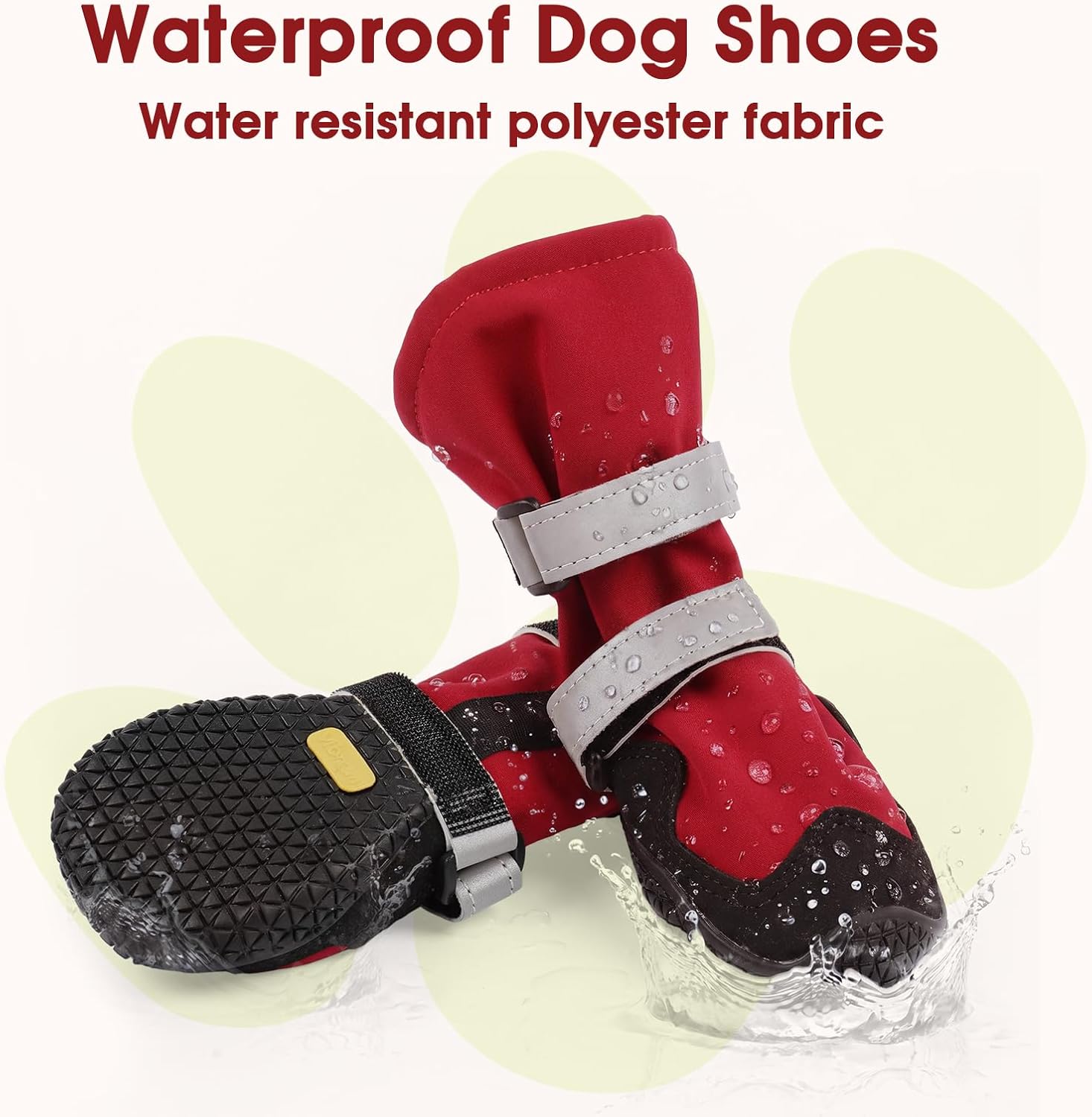
In extreme environments, such as fields of sharp volcanic rock or scorching summer trails where surface temperatures soar, investing in high-quality protective dog booties can save your dog from severe thermal burns and lacerations.
For further insights on overall trail safety, take a moment to review our comprehensive guide on dog first aid before heading into remote backcountry areas.
Dog Pack Weight Limits
One of the most exciting milestones in a dog's hiking career, especially when following a solid backpacking conditioning for dogs program, is graduating to wearing their own canine backpack. Allowing your dog to carry their own collapsible bowl, waste bags, and snacks adds a wonderful sense of purpose to the adventure.
However, introducing a backpack completely changes the biomechanics of hiking and places additional stress on the spine, shoulders, and core muscles. Understanding strict dog pack weight limits is paramount to preventing lifelong spinal injuries or joint degradation.
Carrying capacity as part of your overall backpacking conditioning for dogs routine is never a one-size-fits-all equation. A safe carrying weight varies dramatically according to the dog's overall size, breed conformation, age, muscular conditioning, body condition score, underlying health status, pack design, trail terrain, ambient temperature, and the total duration of the trip.
As a general reference for healthy, fully conditioned adult dogs with strong core strength, the fully loaded pack—including the weight of the pack itself, water, and food—should never exceed ten to fifteen percent of the dog's total body weight.
For instance, a robust seventy-pound German Shepherd in peak physical condition should carry an absolute maximum of seven to ten and a half pounds. Growing adolescents, senior dogs, brachycephalic breeds, and long-backed dogs like Corgis or Basset Hounds should carry significantly less weight, or none at all.
When packing your dog's saddlebags as you progress through proper backpacking conditioning for dogs, distribute the weight evenly. The left and right sides must match down to the ounce; an unbalanced load forces the dog to alter their natural gait, leading rapidly to muscle fatigue and spinal misalignment.
Pack lightweight, bulky items like compressible dog sleeping pads at the bottom, and place dense items like water bottles directly over the shoulders rather than near the hips. Never pack hard or sharp objects directly against the dog's ribcage where shifting movement could cause bruising or discomfort.

Fitness Prep Trail
Preparing specifically for a fitness prep trail as part of your comprehensive backpacking conditioning for dogs roadmap requires acknowledging that flat suburban walking paths do not adequately prepare a dog's body for wild topography.
Real mountain trails throw a chaotic mix of environmental challenges at your dog, including severe elevation gains, ankle-rolling tree roots, unstable rock gardens, slippery mud, shifting sand, deep snow, and long, quad-busting descents.
Descending a steep mountain, heavily influenced by proper backpacking conditioning for dogs, is actually much harder on a dog's joints and musculature than climbing up, as it requires eccentric muscle contractions to brake their momentum against gravity.
To prepare for these specific trail elements through targeted backpacking conditioning for dogs, seek out local hiking areas that feature genuine uneven terrain. Practice navigating flights of outdoor stairs to simulate steep rocky steps. Expose your dog to walking through shallow streams or wet environments so they understand how to manage traction when their paws are wet.
If you live in a region with seasonal temperature swings, train your dog in conditions that mirror your destination, whether that means early morning frost or warm afternoon sun. Environmental acclimatization ensures your dog remains confident, agile, and physically capable when facing technical mountain obstacles miles away from civilization.
Training with a Backpack
Introducing your dog to wearing a backpack while adhering to safe backpacking conditioning for dogs must be approached with immense patience and positive reinforcement. Never slap a loaded pack onto your dog's back on the morning of a big hike and expect them to walk comfortably. Begin the process indoors in a stress-free environment.
Place the empty backpack on the floor and let your dog sniff it, rewarding them with high-value treats to create an enthusiastic, positive association. Next, gently place the empty harness or pack on their back without buckling it, immediately following with praise and treats.
Once your dog happily accepts wearing the empty pack around the house, take them for short neighborhood walks wearing the empty gear as part of your ongoing backpacking conditioning for dogs schedule. Let them wear it for ten or fifteen minutes until their movement is entirely natural and uninhibited.
Only when they show zero signs of chafing, awkward posture, or resistance should you introduce weight. Start by adding a single lightweight item, such as a roll of waste bags or a small water bottle, distributing it evenly between both pockets.
Increase the weight by tiny increments over several weeks of regular walking. The primary objective of backpack training is complete physiological and psychological adaptation, never physical exhaustion or frustration.
Recovery and Rest
Recovery is an essential pillar of any intelligent conditioning program and forms a critical part of safe backpacking conditioning for dogs. Many enthusiastic owners focus entirely on the workout itself while completely neglecting the rest period where actual physical growth and tissue repair occur.
After a demanding conditioning hike, your dog needs dedicated downtime to let their muscles repair micro-tears, replenish glycogen stores, and clear metabolic waste products from their system.
Provide a quiet, comfortable sleeping area where your dog can rest undisturbed for hours without being hassled by household activity or other pets as they recover from their backpacking conditioning for dogs excursions.
Ensure a constant supply of fresh, clean water to support rehydration and cellular recovery. Feed a balanced, high-quality meal rich in protein and healthy fats to fuel tissue restoration. Take time during the post-hike evening to inspect your dog's entire body thoroughly.
Run your hands over their coat and skin, checking for hidden ticks, burrs, scratches, or localized swelling around the joints.
Notice how they respond to being touched in sensitive areas; lingering soreness or tenderness is a clear signal that your previous outing pushed them slightly beyond their current conditioning threshold.
Adjust your upcoming training schedule accordingly to give them an extra day of gentle rest.
Warning Signs During a Hike
Even with meticulous preparation and a solid foundation of backpacking conditioning for dogs, unpredictable elements in the wilderness can push a dog past their limits.
You must remain fiercely observant throughout every hike, watching for subtle and overt signals that indicate your dog is struggling and that you need to slow down, rest, turn back, or seek emergency veterinary assistance.
Recognizing these warning signs early prevents minor fatigue from escalating into a life-threatening medical emergency.
Key warning signs of overexertion and distress include:
| Warning Sign | Potential Meaning & Action Required |
|---|---|
| Excessive Panting | Heavy, uncontrolled panting with a wide tongue curling at the tip indicates severe overheating or cardiovascular exhaustion. Stop in deep shade immediately and offer small sips of water. |
| Lagging Behind | If an eager dog constantly trails behind your heels or sits down frequently, they have depleted their energy reserves. End the hike and begin heading back to the trailhead. |
| Limping or Stiffness | Any sign of uneven gait, favor-seeking of a limb, or reluctance to bear weight points to a sprain, torn nail, or paw pad injury. Rest immediately and examine the paws. |
| Disorientation | Stumbling, lack of focus, unresponsiveness to commands, or glassy eyes can signal heatstroke, severe dehydration, or exhaustion. This is an immediate medical emergency. |
| Nausea or Vomiting | Stomach distress brought on by physical stress, overheating, or drinking contaminated water requires an immediate halt, rest, and veterinary consultation. |
Heat-related illnesses, which can sometimes bypass even well-executed protocols of backpacking conditioning for dogs, can turn catastrophic within minutes during strenuous climbs. If your dog exhibits signs of heat exhaustion, such as thick, sticky saliva, bright red gums, or severe weakness, apply cool, wet cloths to their groin, armpits, and paws, offer cool water in moderation, and seek professional veterinary care immediately. When in doubt on the trail, always prioritize safety and review your backpacking conditioning for dogs checklist before setting out again.
Weather and Terrain
Environmental conditions managed during your routine backpacking conditioning for dogs dramatically alter the physical toll of any given trail. The exact same five-mile hike that feels effortless on a crisp, cool autumn morning can become dangerously punishing under a blazing mid-summer sun or amidst high humidity.
High temperatures severely compromise a dog's ability to regulate body temperature through panting, while high humidity prevents moisture from evaporating effectively from their respiratory tract.
Cold weather, snow, and ice present an entirely different set of challenges when executing your backpacking conditioning for dogs plan, including increased caloric expenditure to maintain core body temperature, ice balls forming painfully between the toes, and hidden hazards beneath snowpacks.
Rain, deep mud, and steep slippery descents drain a dog's mental and physical energy rapidly as they constantly adjust their footing to maintain traction.
Always check detailed local weather forecasts and trail conditions before stepping out, and be fully prepared to alter your route, shorten your mileage, or postpone your trip when adverse environmental factors threaten your dog's safety and comfort.
How to Know Your Dog Is Ready
Determining whether your dog has successfully completed their backpacking conditioning for dogs roadmap and is genuinely ready for a long mountain expedition is not about celebrating a single exceptionally long walk.
True readiness is demonstrated through consistent, reliable performance over multiple weeks of varied training. Your dog is ready when they complete their longest scheduled training hike with steady, controlled breathing, maintain an upbeat posture, navigate technical obstacles with agile coordination, and recover their normal baseline energy within a short time of returning home.
Look for sustainable habits rather than heroic bursts of effort built through steady backpacking conditioning for dogs. A well-conditioned dog listens attentively to directional commands even when tired, maintains a steady, efficient stride on uneven descents, and shows eagerness for the next outing without displaying chronic stiffness or lingering fatigue the following morning.
When your dog consistently meets these performance benchmarks, you can step out onto demanding backcountry routes with absolute confidence in their physical preparedness.
Pre Hike Preparation
Once your conditioning program is complete as part of your comprehensive backpacking conditioning for dogs strategy and your big mountain adventure is just days away, meticulous pre-hike preparation becomes your final line of defense against backcountry mishaps. Gathering and organizing your gear ahead of time ensures a smooth, stress-free departure.
Hydration and Nutrition Gear
Pack substantially more water than you think you will need for both yourself and your dog, factoring in extra reserves for unexpected delays and maintaining your backpacking conditioning for dogs standards.
Bring a lightweight, collapsible silicone bowl for easy roadside and trailside watering. Pack high-protein, calorie-dense food rations in sealed waterproof containers, along with a few familiar high-value treats to reward great trail behavior and maintain high morale during difficult ascents.
Safety and Emergency Supplies
Assemble a dedicated canine first-aid kit stocked with sterile gauze pads, self-adhering vet wrap, antiseptic wipes, styptic powder for torn nails, tick removal tools, tweezers, emergency saline wash, and any prescribed medications your dog requires based on your backpacking conditioning for dogs routine.
Always carry a sturdy backup leash, a well-fitting harness with a secure grab handle for lifting your dog over large boulders or across swift streams, and a pair of protective booties in case a paw injury occurs miles from civilization.
Identification and Environmental Checks
Ensure your dog wears a flat collar featuring an up-to-date identification tag with your current phone number, alongside a securely registered microchip to safeguard all the hard work put into your backpacking conditioning for dogs timeline.
Double-check that your emergency contact numbers are active. Review detailed trail maps, download offline GPS tracks, verify park regulations regarding dogs on specific alpine routes, and check current weather alerts to ensure you are fully prepared for whatever the mountain environment may present.
Common Mistakes
Even experienced pet owners can occasionally stumble when preparing a canine athlete for rugged mountain travel and navigating backpacking conditioning for dogs. Recognizing common pitfalls helps you avoid setbacks and keeps your training program smooth and safe.
One of the most frequent mistakes is doing too much, too soon. Eager owners often sign up for a grueling mountain trek and attempt to cram weeks of intense conditioning into a frantic four-day window, resulting in severe muscle strains, torn pads, and immense stress.
Another common error is ignoring paw pad hardening until the first day on the trail, leading to immediate raw blisters.
Pet owners also frequently make the mistake of loading up a dog backpack with maximum weight right out of the gate without allowing for gradual musculoskeletal adaptation, or restricting their training entirely to flat concrete sidewalks which fails to prepare joints for uneven mountain terrain.
Failing to monitor weather shifts, skipping scheduled rest days, assuming that a young dog possesses boundless indestructible fitness, and stubbornly continuing a hike despite clear fatigue signals from your dog are other dangerous missteps that can disrupt your backpacking conditioning for dogs schedule.
Avoiding these mistakes requires humility, patience, and a willingness to listen closely to your dog's physical feedback throughout every single stage of preparation.

Disclosure: Some links on this page may be affiliate links. If you make a purchase through one of these links, CarCampingPaws.com may earn a commission at no additional cost to you.
Frequently Asked Questions About Backpacking Conditioning for Dogs
How long does it take to condition a dog for backpacking?
For a generally healthy dog with a baseline of regular daily walks, building solid endurance and paw toughness through a proper backpacking conditioning for dogs routine for moderate mountain backpacking typically takes between six to eight weeks of consistent, progressive training.
How far should a dog hike?
Trail distance depends entirely on your dog's age, breed, health, and current conditioning level. Well-conditioned medium-to-large working dogs built through careful backpacking conditioning for dogs can comfortably handle eight to twelve miles on moderate terrain, while smaller or less conditioned dogs should stick to shorter two-to-five-mile outings.
How do I build my dog's stamina?
Build stamina gradually by increasing your walking distance and duration by no more than ten to fifteen percent each week, introducing rolling hills and unpaved trails, and maintaining a consistent, steady pacing routine with adequate rest days as outlined in standard backpacking conditioning for dogs guidelines.
Can dogs carry backpacks?
Yes, healthy and fully conditioned adult dogs that have completed their initial backpacking conditioning for dogs phases can carry backpacks, provided the pack fits ergonomically and does not restrict their natural movement, breathing, or shoulder rotation.
What are safe dog pack weight limits?
A fully conditioned adult dog following safe backpacking conditioning for dogs principles should carry a maximum of ten to fifteen percent of their total body weight, including the weight of the pack, water, and food. Always start with an empty pack and increase weight very slowly.
How often should a dog train before a long hike?
Aim for three to four structured conditioning walks or hikes per week, interspersed with adequate rest and recovery days to allow muscle tissue to repair and strengthen properly. Backpacking conditioning for dogs should be consistent and gradual.How can I tell if my dog is getting too tired?
Watch for heavy, unyielding panting, lagging behind your pace, frequent stopping or sitting, stiffness, reluctance to continue, and uncharacteristic disinterest in their surroundings. Backpacking conditioning for dogs also involves monitoring these signs carefully.Conclusion
Transforming your beloved canine companion into a rugged, confident mountain trail partner is a deeply rewarding journey that deepens your bond and unlocks extraordinary wilderness experiences together.
True backpacking conditioning for dogs cannot be rushed or achieved overnight; it demands patience, consistency, observant care, and a profound respect for your dog's individual physical limits.
By gradually building their cardiovascular stamina, strengthening their muscles, hardening their paws, adhering strictly to safe weight-carrying limits, and treating every outdoor outing through proper backpacking conditioning for dogs as a thoughtful step toward peak fitness, you guarantee a lifetime of safe, breathtaking, and memorable off-grid adventures.
Hit the road, camp with paws, and explore the wild responsibly alongside your best friend!
Hit the Road, Camp with Paws! Discover more detailed personal survival stories, expert overland gear reviews, and comprehensive vehicle camping guides at CarCampingPaws.com.