
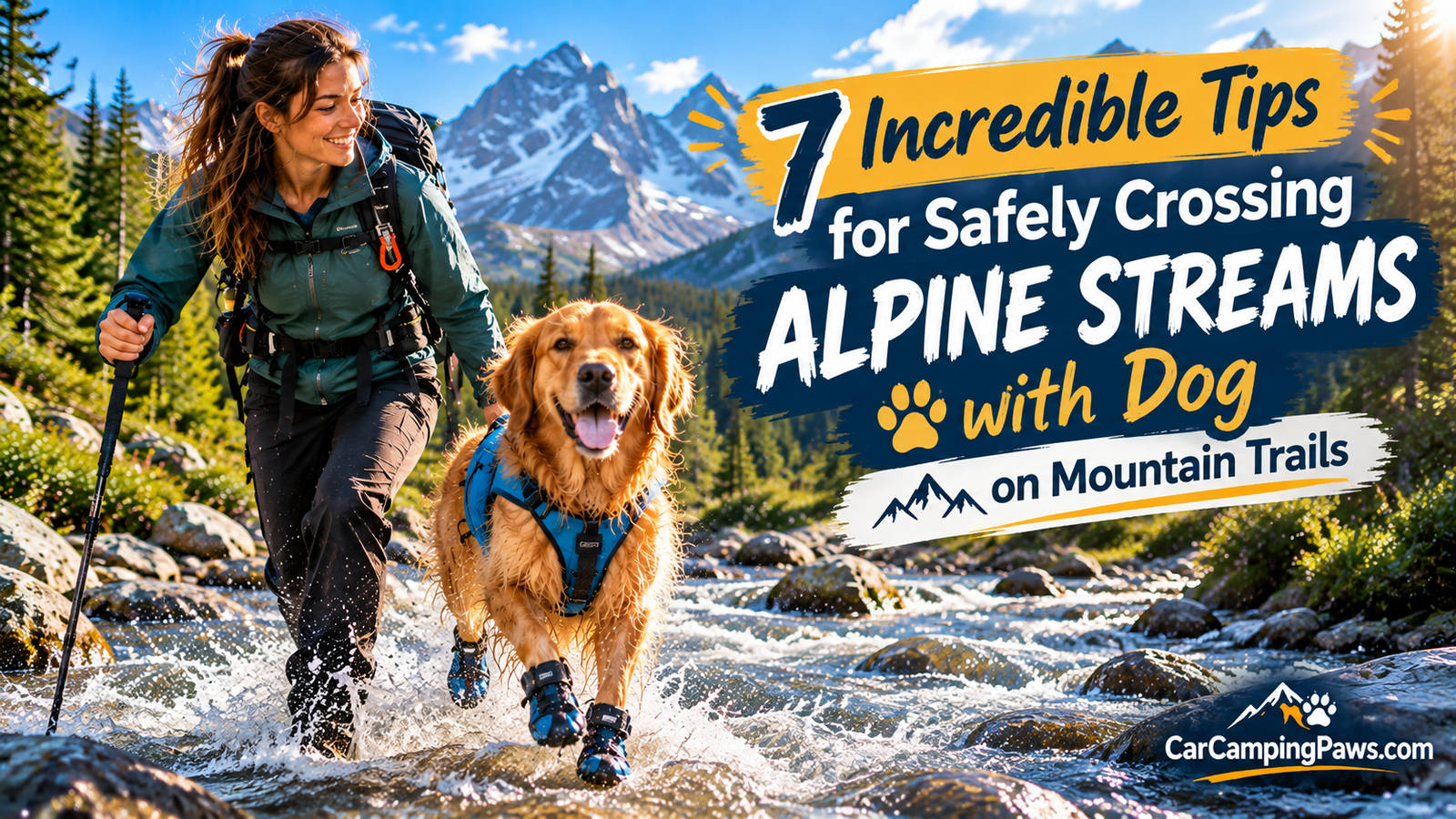
7 Incredible Tips for Safely Crossing Alpine Streams with Dog on Mountain Trails
There is an unmistakable magic that awakens the soul when you step off the beaten paved path and plunge deep into the rugged heart of the wilderness with your four-legged best friend right by your side. The crisp alpine air filling your lungs, the rustle of pine needles underfoot, and the sight of a joyful canine companion bounding effortlessly over fallen logs represent the absolute pinnacle of outdoor freedom.
Yet, transforming your beloved house pet into a resilient, sure-footed backcountry mountaineer requires far more than simply throwing a leash on and heading for the highest peak. It demands a dedicated, thoughtful commitment to understanding the fine art of crossing alpine streams with dog companions to ensure their joints, muscles, paws, and overall safety are fully prioritized when rushing water blocks your path.
When we look at our dogs, we often see boundless energy and an eager willingness to follow us across any obstacle. This fierce loyalty is precisely why mastering the techniques of crossing alpine streams with dog partners becomes so critical. Canines will frequently plunge headfirst into raging glacial runoff without realizing the hidden undercurrents, ice-cold temperatures, or slippery boulder fields lurking beneath the surface.
Building a true canine adventure athlete is an art and a science that bridges careful veterinary science, progressive physical training, and a deep, empathetic understanding of river safety. Every successful mountain trek is built upon weeks of steady preparation back home, making structured safety knowledge regarding crossing alpine streams with dog companions the foundational pillar of every safe off-grid excursion.
Understanding Water Dynamics and Canine Safety on Mountain Trails
To truly appreciate why crossing alpine streams with dog partners requires meticulous planning, we must first examine how rushing mountain water interacts with a dog’s body weight and buoyancy. Unlike humans who can lean on trekking poles and choose stable footing, dogs have a high center of gravity relative to their paw footprint, making them highly susceptible to being swept away by swift currents.
Before attempting any water obstacle, evaluating the speed, depth, and temperature of the water is essential. Successfully crossing alpine streams with dog companions means knowing when the current is simply too powerful and turning back is the wisest survival choice.
Furthermore, the shock of glacial meltwater can instantly lower a dog's core body temperature, leading to rapid muscle cramping and cognitive fatigue. Preparing for crossing alpine streams with dog teammates involves conditioning their stamina and building thick paw pads that can grip slick, algae-covered river stones without slipping.
By implementing a gradual water-acclimation routine long before your departure date, you teach your dog how to navigate variable aquatic resistance safely, ensuring they remain calm and balanced during high-altitude water crossings.
The Foundation of Stamina and Hydro-Resistance Endurance
Building elite trail endurance for water-heavy terrain cannot be rushed or crammed into a frantic weekend before a major backcountry trip. True preparation for crossing alpine streams with dog friends operates on consistent physical conditioning, requiring weeks of incremental overload and adequate rest periods.
You should begin your conditioning regimen at least six to eight weeks prior to your intended trip, starting with shallow creek splashing and slowly expanding to moderate wading exercises week by week. This measured progression allows your dog's cardiovascular system to adapt safely without triggering dangerous levels of physical exhaustion.
During these early conditioning phases, pay close attention to your dog's recovery rate after water exposure. A dog well-prepared for crossing alpine streams with dog handlers should maintain a steady, confident stride without excessive heavy shivering or panic.
If your dog hesitates or shows extreme anxiety around moving water, you must step back and build their confidence slowly using positive reinforcement. Consistency trumps intensity every single time; short, controlled water-margin walks yield vastly superior results compared to forcing an unprepared dog into a dangerous torrent.

Forging Unbreakable Paws and Traction on Wet Rock
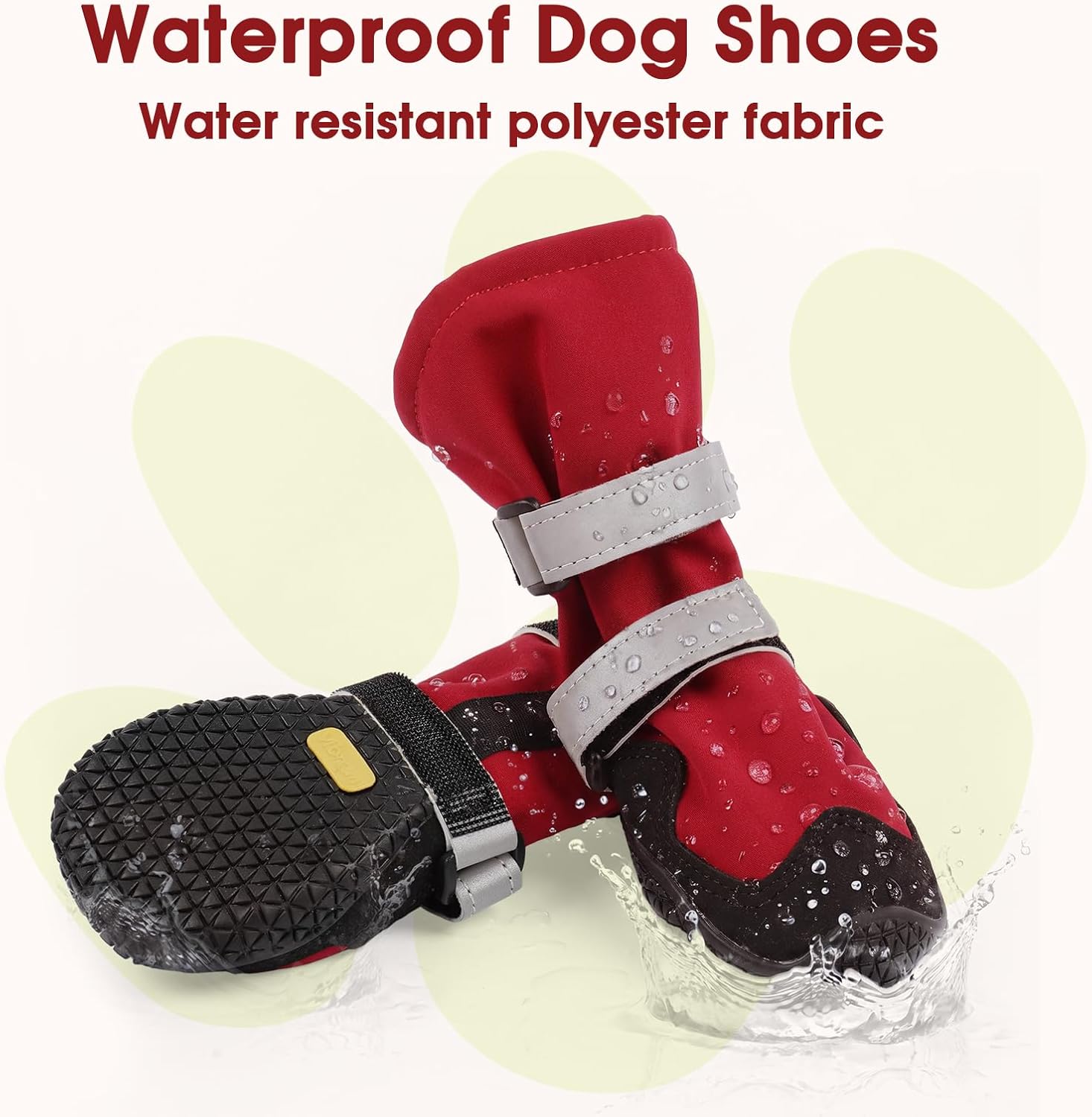
One of the most dangerous hazards when crossing alpine streams with dog companions is slipping on submerged, moss-covered boulders. Domestic dogs possess tender paw pads that can easily slide or become lacerated by sharp underwater shale. Proper preparation for crossing alpine streams with dog explorers requires developing natural traction and utilizing specialized protective gear when the riverbed demands absolute grip.
To condition your dog's paws for wet environments, begin walking them on varied natural surfaces such as damp gravel paths and shallow river edges for short intervals. Inspect their paw pads meticulously after every session, looking out for micro-abrasions or softened skin. Even with careful planning for crossing alpine streams with dog adventurers, abrasive underwater terrain can push paw pads past their limits, which is why every responsible handler should always pack a reliable set of high-traction canine booties.
Managing Pack Weights and Buoyancy During Water Crossings
Carrying a dog backpack during a trek adds great utility, but water crossings completely change the physics of the load. When crossing alpine streams with dog packs attached, the saddlebags can easily catch water currents like sails, dragging the dog downstream or unbalancing their buoyancy.
The golden rule when crossing alpine streams with dog companions carrying gear is to unbuckle or completely remove their backpacks if the water depth exceeds their knee level, carrying the gear across yourself to keep your dog lightweight and agile.
When practicing your routines for crossing alpine streams with dog partners, test how they move in water both with and without a harness. A secure, handle-equipped harness is mandatory so you can physically lift or guide your dog if they lose their footing in a sudden rapid. Never allow a heavily loaded dog to wade through deep alpine torrents, as trapped cargo weight drastically increases drowning risks.
Hydration, Parasite Prevention, and Post-River Care
Crystal-clear alpine streams look refreshingly pristine, but they frequently harbor dangerous waterborne parasites like Giardia and Cryptosporidium. Allowing your dog to gulp raw river water while crossing alpine streams with dog handlers can lead to severe gastrointestinal illness miles away from civilization. Always carry an independent portable water supply and collapsible bowl for your dog instead of letting them drink directly from mountain runoff.
After successfully crossing alpine streams with dog companions, take a few minutes on the opposite bank to dry their coat, inspect their paw pads for trapped debris, and check for any signs of fatigue or hypothermia caused by ice-cold water exposure. Proper post-river recovery routines ensure your canine companion remains healthy and energetic throughout multi-day expeditions.

Recognizing Water Distress and Managing Emergencies
Even with meticulous planning, unexpected river surges can occur in alpine environments. Every handler focused on safe methods for crossing alpine streams with dog partners must recognize the signs of water panic, exhaustion, and cold-water shock. Symptoms like frantic paddling without forward motion, heavy shivering, bluish gums, or disorientation require immediate action to pull the dog to safety and warm them up.
If a water emergency occurs while crossing alpine streams with dog teammates, wrap them in an emergency thermal blanket, offer high-energy caloric paste, and seek professional veterinary care if hypothermic symptoms persist. When in doubt on the trail, always prioritize safety and review your protocols for crossing alpine streams with dog companions before setting foot in the water.
Advanced Wilderness Navigation and Route Planning Around Glacial Runoff
Navigating the high backcountry requires a profound understanding of hydrological cycles, particularly when your route involves frequent encounters with rushing glacial runoff. The volume of water in mountain streams changes dramatically throughout the course of a single day due to solar radiation melting snowfields higher up the peaks.
A shallow trickle that you crossed easily during the crisp morning hours can swell into a roaring, impassable torrent by mid-afternoon. When planning backcountry itineraries centred around crossing alpine streams with dog companions, timing your movements is just as vital as physical conditioning. Early morning departures allow you to cross vulnerable water channels when flow rates are at their lowest ebb and water temperatures are marginally more manageable.
Scouting alternate routes and identifying natural choke points, such as narrow sections where the stream fans out over a wider, shallower gravel bed, can drastically reduce the risks involved. Rushing headlong into a deep, turbulent gorge without surveying the banks upstream and downstream is a perilous gamble.
By integrating careful topographical map reading and weather pattern monitoring into your expedition prep, you elevate your safety standards while crossing alpine streams with dog partners, ensuring that every unexpected water barrier is met with calm strategy rather than frantic improvisation.
Building Canine Confidence and Water Desensitization
Many dogs possess an instinctive hesitation or outright fear when confronted with loud, fast-moving water. The roaring sound of churning rapids and the sensation of unstable, shifting riverbeds beneath their paws can easily trigger panic responses.
Overcoming this hurdle demands a dedicated phase of positive water desensitization long before you ever set foot near an intimidating mountain torrent. Start your training in calm, shallow lakeshores, gentle riverbanks, or even controlled home environments where your dog can wade voluntarily at their own pace without pressure or coercion.
Utilize high-value treats, enthusiastic verbal praise, and favorite floating toys to associate water entry with positive, rewarding experiences. Allow your dog to investigate the shoreline, splash at the edges, and build trust in their own balance before introducing any moving current.
This foundational confidence-building is an indispensable pillar of successfully crossing alpine streams with dog teammates, as a calm and focused dog makes rational, balanced movements instead of thrashing blindly against a forceful current.
Comprehensive Gear Checklist for Aquatic Mountain Expeditions
Venture deep into the high alpine wilderness, and you will quickly realize that weather patterns and water levels can shift without a moment's warning. Preparing thoroughly for crossing alpine streams with dog companions requires assembling an advanced emergency toolkit tailored specifically for aquatic obstacles.
Beyond standard first aid supplies, your pack should include specialized quick-drying microfiber towels, a lightweight floating throw-rope, high-traction protective footwear, and veterinarian-approved paw balms designed to shield against abrasive mineral silt. Every item serves a critical function in mitigating risks associated with fast-moving glacial runoff and unpredictable riverbeds.
Furthermore, organizing your equipment logically ensures that gear is instantly accessible when seconds count during a water crossing. Packing heavy items close to your center of gravity while keeping emergency canine flotation gear right at the top of your main backpack prevents scrambling through compartments when your dog needs immediate assistance.
True readiness when crossing alpine streams with dog teammates means anticipating every environmental variable and possessing the right tools to handle sudden challenges smoothly and efficiently.
Establishing Post-Hike Recovery and Muscle Maintenance Routines
The physical exertion does not magically cease the moment you step out of the final river channel and onto dry camp soil. Strenuous swimming and battling heavy river currents place intense demands on a dog's hindquarters, core stabilizers, and shoulder muscles.
Implementing a structured post-hike recovery protocol after crossing alpine streams with dog partners is vital for preventing stiff joints and acute muscle soreness the following morning. Gentle stretching, warm shelter, and replenishing electrolyte-rich hydration help clear lactic acid buildup and restore your canine athlete to peak condition.
Observing your dog as they rest around the campfire provides invaluable feedback regarding their physical resilience. Check their joints for any signs of swelling, inspect their skin for trapped moisture that could lead to hot spots, and ensure they are resting comfortably away from cold drafts. By prioritizing meticulous recovery care after crossing alpine streams with dog companions, you lay the groundwork for countless successful days of exploration ahead.
The Long-Term Rewards of Water Confidence on the Trail
As you master the art of crossing alpine streams with dog companions, you will witness a profound boost in your dog's self-assurance and trail coordination. Their ability to read water currents, pick stable stepping stones, and trust your leadership grows exponentially with every safe crossing. This mutual trust transforms ordinary wilderness hikes into seamless, harmonious team adventures where every obstacle reinforces your unbreakable bond.
Moreover, investing this level of care into structured river safety safeguards your dog's physical health for years to come. By treating every water obstacle with respect and preparation during your adventures crossing alpine streams with dog partners, you guarantee a lifetime of breathtaking, safe off-grid explorations.
Frequently Asked Questions (FAQ)
How cold is too cold for a dog to cross an alpine stream?
If the water is glacial runoff or snowmelt, it is often near freezing. As a general rule, if you cannot comfortably keep your bare legs in the water for more than a minute, it is likely too cold for prolonged exposure for your dog. Keep crossings brief and dry them off immediately on the other side to prevent hypothermia.
Do dogs instinctively know how to handle fast river currents?
No. While most dogs possess a natural doggy paddle, swimming in a still lake is entirely different from navigating strong, unpredictable river currents. Desensitization, wearing a life vest, and structured practice in moving water are essential before attempting wild alpine streams.
Should I carry my small dog across the stream?
Yes, if the water is deeper than your dog's chest or moving swiftly, it is significantly safer to carry them. Small dogs are easily swept away by currents that wouldn't destabilize a larger breed or a human. Always ensure your own footing is completely secure before lifting your dog across.
What should I do if my dog slips and is swept downstream?
Do not panic and avoid jumping into dangerous rapids after them. Run along the bank, aggressively call them towards a shallow eddy or safe exit point, and use a throw-rope if you have one. This is exactly why using a secure harness with a top handle and a canine life vest is mandatory for deep water crossings.
Conclusion
Transforming your beloved canine companion into a confident mountain trail partner capable of handling wild terrain is a deeply rewarding journey that profoundly deepens your shared bond. The wilderness presents an extraordinary classroom where every rustling pine, steep incline, and rushing water channel teaches invaluable lessons in trust, communication, and mutual reliance.
When you invest the necessary time, patience, and careful preparation into mastering the complexities of outdoor excursions, you elevate your dog from a simple household pet into a resilient, sure-footed backcountry athlete who navigates nature with grace and composure.
Mastering the essential skills of crossing alpine streams with dog companions demands continuous vigilance, observant care, and a profound, unwavering respect for unpredictable water dynamics. Nature does not compromise, and ensuring safety requires us as handlers to remain humble, attentive, and fully prepared for shifting environmental conditions.
By proactively building their stamina, protecting their tender paws with reliable gear, meticulously managing pack weights, and prioritizing absolute safety during every single water obstacle, you eliminate needless hazards and lay the foundation for decades of harmonious exploration.
Ultimately, the true measure of a successful backcountry journey lies not merely in the summits conquered or the miles logged, but in the quiet, joyful moments shared around the campfire after a hard day's trek.
Every safe river crossing, every well-managed trail challenge, and every breath of crisp alpine air reinforces an unbreakable connection that stays with you long after you return home. Hit the road, camp with paws, cherish every single moment in the backcountry, and continue to explore the wild responsibly alongside your best friend!
Hit the Road, Camp with Paws! Discover more detailed personal survival stories, expert overland gear reviews, and comprehensive vehicle camping guides at CarCampingPaws.com.