
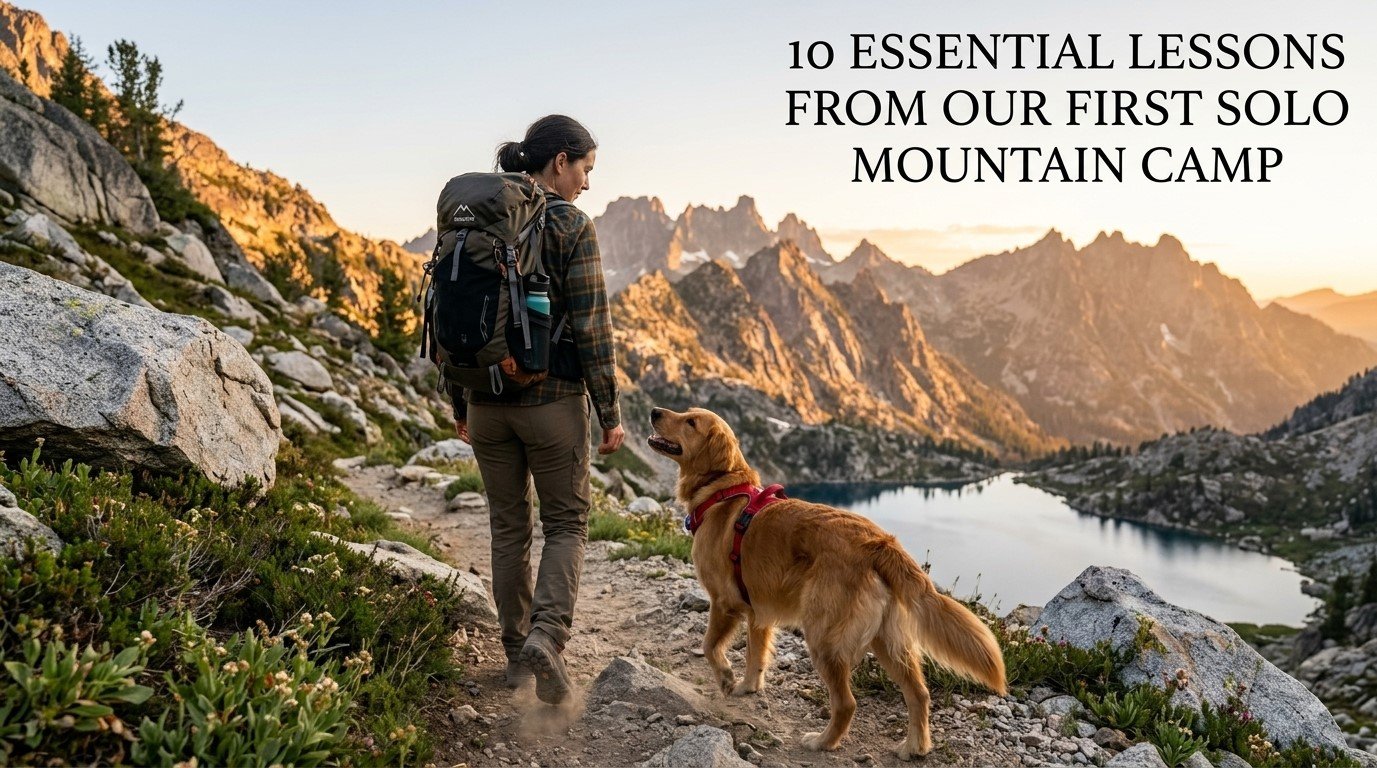
10 Essential Camping with Dogs Adventures: Lessons Learned from My First Solo Mountain Camp
Embarking on camping with dogs adventures into high-altitude mountain wilderness completely transformed how I approach outdoor exploration. There is something profoundly liberating about packing your backpack, securing your dog’s hiking harness, and leaving the noise of modern life behind for the quiet solace of the backcountry.
However, taking on a solo mountain expedition with a canine partner requires far more than just enthusiasm and a pair of sturdy hiking boots. My first solo trip into the rugged Rocky Mountains with my Golden Retriever taught me invaluable lessons about trail preparation, unpredictable weather management, physical conditioning, and canine safety.
In this detailed camping with dogs adventures log, I share my real-world story, technical gear choices, emergency protocols, and practical insights. Whether you are planning your first overnight trip or looking to refine your backcountry routine, these hard-earned lessons will help you execute a safe, seamless, and unforgettable journey with your four-legged companion.
🏔️ Preparing for High-Altitude Camping with Dogs Adventures
Stepping into high-altitude environments requires comprehensive structural planning, meteorological awareness, and a profound respect for shifting terrain conditions. When you commit to multi-day outdoor expeditions, you enter ecosystems where oxygen levels decline, weather patterns alter without advanced warning, and physical exertion multiplies exponentially for both human and animal athletes. True outdoor readiness demands meticulous physiological conditioning, strategic route mapping, and an unwavering commitment to safety protocols designed specifically for rugged mountain elevations.
Planning unforgettable camping with dogs adventures in mountain environments begins long before you arrive at the trailhead. High-altitude wilderness presents unique environmental challenges—including rapidly changing temperature swings, thin air, exposed rocky terrain, and limited natural water sources along ridge lines.
Before attempting a multi-day solo camp with dog companions, thorough physical preparation and gear auditing are mandatory. During my early planning phase, I realized that conditioning my dog for steep elevation gains was just as critical as building my own cardiovascular stamina.
Cardiovascular Conditioning and Trail Endurance
Dogs, much like humans, require gradual physical conditioning before tackling steep mountain grades with extra pack weight. Weeks prior to our trip, we built up our endurance through weighted neighborhood walks and weekend day hikes with increasing elevation gains.
During these training runs, I introduced my dog to carrying a dedicated pet backpack. A good rule of thumb is never allowing a healthy dog to carry more than 10% to 15% of their total body weight, including their food, water, and waste bags.
It is equally important to pay attention to your dog's breathing patterns during uphill climbs. Dogs do not sweat through their skin like humans do; panting is their primary thermoregulation mechanism. On high-elevation routes where oxygen levels drop, monitoring panting intensity helps prevent early physical exhaustion.
Pre-Trip Veterinary Clearance and Medical Checkups
A crucial step in every successful backpacking with dog story is securing a professional health checkup before venturing deep into cell-service dead zones. Mountain environments expose pets to unique hazards, including parasitic ticks, giardia in natural streams, and extreme temperature fluctuations.
My veterinarian verified that my dog was up to date on heartworm preventatives, Lyme disease vaccines, and flea controls. Additionally, we packed a physical copy of his vaccination records alongside a fully stocked, dog-specific first-aid kit.
During our vet visit, we also discussed paw health. The vet recommended applying protective wax coating to his pads two weeks prior to the hike to toughen up the skin layer naturally before encountering sharp alpine granite.

🎒 Essential Gear Essentials for Camping with Dogs Adventures
Equipping yourself and your pet with high-performance, weather-resistant equipment transforms a hazardous wilderness journey into a comfortable backcountry experience. Selecting reliable gear involves balancing lightweight packability with uncompromising durability against harsh elements, sharp rocks, and freezing night temperatures. Investing in specialized canine outdoor gear ensures that your loyal companion stays protected, warm, and fully mobile across every mile of rugged alpine trail terrain.
Executing successful camping with dogs adventures in remote mountain terrain demands reliable, durable, and lightweight gear. When camping solo, every ounce in your pack counts, but cutting corners on your dog’s safety or thermal protection can lead to dangerous backcountry situations.
| Gear Category | Item Description | Primary Function on Mountain Trails |
|---|---|---|
| Sleeping & Shelter | Closed-cell foam pad & packable fleece jacket | Insulates dog from ground cold inside the tent. |
| Paw Protection | Rugged rubber-soled booties & paw balm | Prevents pad tears on sharp granite and hot rocks. |
| Hydration System | Collapsible silicone bowls & gravity water filter | Ensures clean, pathogen-free water at camp. |
| Emergency & Safety | K-9 rescue sling, tick key & vet wrap tape | Enables self-evacuation if pet sustains an injury. |
Thermal Insulation and Sleeping Systems
One of the biggest surprises during my first mountain night was how drastically temperatures plunged after sunset. While my sleeping bag kept me warm, my dog began shivering because the cold ground sapped his body heat through the thin tent floor.
To solve this during subsequent camping with dogs adventures, I started carrying a custom-cut closed-cell foam pad. Placing an insulated pad beneath your dog’s bed blocks thermal conduction from the frozen earth, ensuring they stay warm and well-rested for the next day's hike.
For high-altitude winter or late autumn trips, consider pairing the sleeping pad with a lightweight canine sleeping bag or a fitted fleece coat. Keeping your pet core warm conserves their calorie consumption overnight, giving them full energy for morning trail ascents.
Paw Care and Trail Protection Gear
Mountain trails are notoriously abrasive. Granite scree fields, sharp shale, and thorny underbrush can quickly cause painful paw pad tears or split nails, turning a fun trip into a medical emergency.
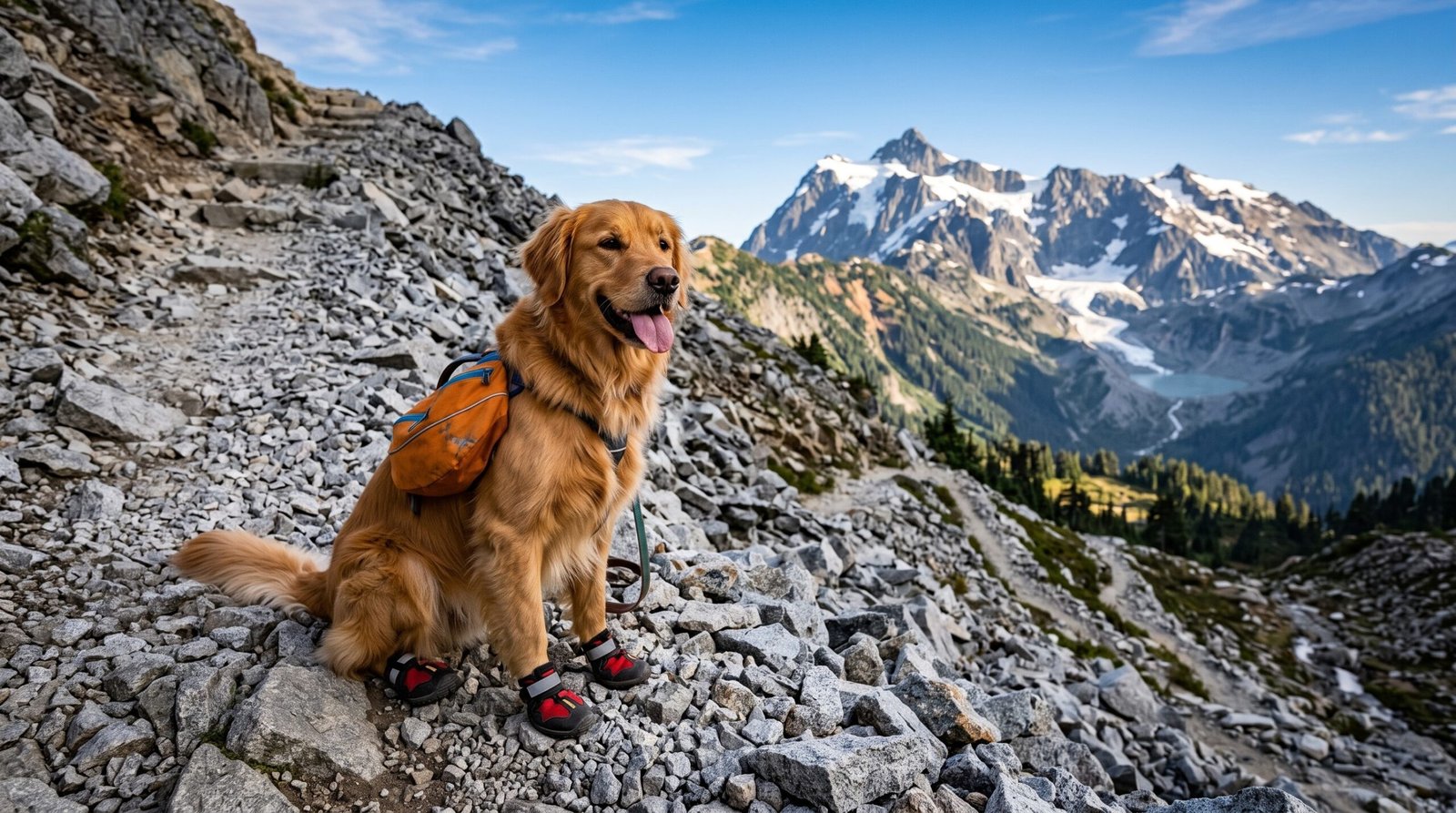
I now carry four fitted rubber booties and a tub of protective paw wax. Inspecting your dog’s paws at every water break allows you to catch minor cuts early before they develop into deep infections.
If your dog is unused to wearing booties, practice putting them on indoors weeks before your trip. Allow your pet to walk around the house with reward treats so they associate paw gear with positive experiences rather than discomfort.
🐕 Behavioral Training for Alpine Camping with Dogs Adventures
Advanced equipment and physical conditioning mean very little if your dog lacks critical obedience training under high-stress wilderness distractions. The backcountry is filled with unpredictable sensory triggers, wildlife encounters, and sudden topographical hazards that test your communication channels. Mastering core voice commands before leaving civilization provides the psychological anchor needed to maintain total control and ensure safety in remote natural habitats.
Even the most advanced camping gear will not compensate for poor trail behavior or lack of voice command control. Before taking on high-risk alpine routes, specific wilderness training commands must be fully mastered.
The Critical "Leave It" Command
In high-altitude alpine regions, dogs encounter novel smells and dangerous temptations—ranging from toxic mountain berries and wildlife droppings to venomous snakes hidden along rocky ledges. A reliable "Leave It" command prevents your dog from tasting or disturbing hazardous objects instantly.
Recall and "Heel" Control Under Distraction
While hiking narrow mountain ledges, unexpected hazards like passing mountain bikes, pack mules, or reactive off-leash dogs can create instant chaotic situations. Training your dog to immediately fall into a tight "Heel" position behind or beside you maintains safety on treacherous cliffside paths.

🌲 Navigating Mountain Trails and Trailhead Etiquette
Coexisting harmoniously with alpine ecosystems requires strict adherence to environmental ethics, wildlife preservation laws, and established public trail regulations. Navigating shared multi-use corridors demands constant situational awareness to protect native fauna, respect fellow outdoor recreationists, and preserve pristine landscapes for future generations. Embracing responsible stewardship principles ensures that public lands remain open and welcoming to adventurous pet owners worldwide.
Maintaining safety during camping with dogs adventures requires constant vigilance while navigating shared public trails. Mountain corridors are home to native wildlife, including black bears, mountain lions, rattlesnakes, and mountain goats.
Additionally, practicing proper trail etiquette ensures that mountain wilderness areas remain accessible to pet owners for years to come. For broader guidelines on campground rules across North America, review our comprehensive dog-friendly state parks guide.
Strict Leash Control in Wildlife Habitats
Off-leash freedom might seem tempting, but keeping your dog secured on a standard 6-foot non-retractable leash is the single most effective way to prevent wilderness accidents. Uncontrolled dogs can startle wild animals, trigger aggressive defensive reactions, or wander off steep cliffs.
A sturdy waist-worn leash attached to a harness with a top rescue handle gives you hands-free balance while trekking over unstable scree while keeping your dog safely by your side.
Respecting Wildlife and Practicing Leave No Trace
Adhering to environmental stewardship principles is vital during all camping with dogs adventures. Dog waste contains non-native bacteria and nitrogen levels that disrupt delicate alpine ecosystems and pollute natural mountain streams.
Always pack out all pet waste using heavy-duty odor-proof bags. For official environmental guidelines and wilderness ethics, consult the Leave No Trace Center for Outdoor Ethics.
⛺ Setting Up a Safe Campsite During Solo Camp with Dog Trips
Transforming an open patch of wilderness into a secure overnight encampment is an art form that blends strategic site selection with meticulous camp management. When managing a remote camp alone with your animal companion, establishing immediate boundaries, secure tie-out stations, and strict scent-containment protocols is vital. Creating a structured evening routine calms an alert dog, protects against nocturnal predators, and guarantees restful sleep before the next day's strenuous ascent.
Arriving at your designated backcountry campsite marks the beginning of the evening routine. When managing a solo camp with dog setup, organization is paramount to keeping both yourself and your pet calm, fed, and protected from night hazards.
Selecting and Cleansing the Tent Pitch Site
Before pitching your tent, thoroughly clear the ground of sharp rocks, pinecones, thorns, and dry branches that could puncture your tent floor or injure your dog's paws. Position the tent door facing away from prevailing mountain winds to minimize flapping noises that might keep a vigilant dog awake.
Keep your dog tied to a secure anchor point—such as a mature tree trunk—using a short leash while you set up camp to prevent them from investigating local wildlife burrows or wandering toward cliff edges.
Establishing Food Safety and Bear-Proofing Protocols
Kibble and fragrant dog treats are major attractants for bears, rodents, and camp scavengers. Never leave dog food bowls unmonitored inside your tent or around your cooking station.
Store all pet food, empty bowls, waste bags, and scented items inside an approved bear canister or suspend them from a tree branch at least 10 feet off the ground and 4 feet out from the trunk, positioned at least 200 feet downwind from your sleeping area.
🥩 Canine Hydration and Caloric Management High Altitudes
Sustaining high energy output across multi-day backcountry itineraries demands precise nutritional mathematics and dedicated hydration schedules. High elevations accelerate metabolic burn rates and fluid depletion through rapid respiration, meaning standard home feeding routines are entirely inadequate. Customizing your dog's caloric intake and ensuring pristine water access prevents exhaustion, maintains muscle recovery, and guarantees sustained stamina throughout challenging mountain ascents.
Caloric needs skyrocket during strenuous mountain treks. Your dog burns significantly more calories keeping warm and negotiating steep inclines than they do during standard daily walks.
| Activity Level | Daily Water Needs (per lb) | Caloric Intake Increase | Key Nutrition Focus |
|---|---|---|---|
| Standard Daily Routine | 0.5 - 1.0 oz | Baseline (100%) | Standard balanced maintenance kibble. |
| Moderate Mountain Hike | 1.5 - 2.0 oz | +25% to +35% Increase | Added protein treats & electrolyte hydration. |
| Multi-Day Backpacking | 2.0 - 2.5 oz | +50% Caloric Increase | High-fat kibble toppers, freeze-dried meat. |
Preventing Dehydration and Altitude Sickness
Offering small, frequent drinks of water throughout the hike is far more effective than allowing your dog to gulp large quantities at the end of the day. Gulping cold water too quickly after heavy exertion can lead to bloat, a life-threatening canine gastric condition.
High-Calorie Meal Planning for Trail Days
Pack freeze-dried raw meat toppers or salmon oil to boost the calorie density of your dog's standard kibble without adding heavy weight to your pack. Feeding your dog their main meal at least one hour after arriving at camp allows their heart rate and stomach to settle safely.
🚨 Handling Backcountry Emergencies and K-9 First Aid During Camping with Dogs Adventures
Preparedness for medical crises separates successful wilderness explorers from those who encounter catastrophic trail emergencies. Operating hours away from veterinary assistance means you must act as your pet's primary field medic when injuries occur. Assembling specialized trauma tools, understanding canine evacuation techniques, and keeping calm under pressure ensures you can stabilize wounds and manage unexpected crises effectively.
Even with meticulous planning, unexpected situations can occur during high-altitude camping with dogs adventures. Being prepared to handle minor injuries or execute a self-rescue evac is essential when operating in areas far from cell tower reception. Mastering backcountry medical readiness ensures that your camping with dogs adventures remain safe even in extreme wilderness situations.
1. Building a Specialized Canine First-Aid Kit
When preparing for remote camping with dogs adventures, a standard human first-aid kit lacks several critical items required for pet care. Your canine trail kit should include vet wrap cohesive bandages (which stick to fur without tearing skin), blunt-nosed trauma shears, a tick removal tool, antiseptic wipes, styptic powder for nail bleeds, and antihistamines approved by your veterinarian for insect stings.
2. Emergency Evacuation Procedures
During multi-day camping with dogs adventures, if your dog suffers a severe leg injury or snake bite deep in the backcountry, carrying a 70-pound pet back to the trailhead on your shoulders is nearly impossible without specialized gear. I always pack an ultra-lightweight K-9 emergency rescue sling that allows me to carry my dog securely like a backpack if he becomes immobile.
📊 Logged Field Observations on Camping with Dogs Adventures: My Mountain Camping Log
Systematic field logging transforms subjective outdoor experiences into valuable empirical data that refines future backcountry packing strategies. Recording weather variables, physical reactions, elevation benchmarks, and gear performance allows outdoor enthusiasts to diagnose subtle issues before they escalate into major problems. Reviewing historical trail logs provides an invaluable blueprint for continuous self-improvement in alpine expedition planning.
Documenting real-world observations in my personal mountain camping log helped me identify subtle behavioral patterns and gear adjustments for future camping with dogs adventures. Below is a summary excerpt recorded during my three-day solo expedition.
| Trip Day & Time | Elevation & Weather | Key Logged Observation | Actionable Trail Lesson |
|---|---|---|---|
| Day 1 - 02:00 PM | 7,800 ft / Sunny, 72°F | Dog showed signs of panting on exposed granite ridge. | Increased water breaks to every 30 minutes; applied paw wax. |
| Day 1 - 09:00 PM | 7,800 ft / Clear, 38°F | Dog shivered on tent floor despite thick fur coat. | Deployed closed-cell foam pad beneath pet sleeping area. |
| Day 2 - 11:30 AM | 9,200 ft / Wind gusts, 55°F | Encountered wild mountain goats near trail peak. | Maintained short leash heel command; prevented chase impulse. |
| Day 3 - 08:00 AM | 6,500 ft / Overcast, 60°F | Slight stiffness observed in dog's rear legs upon waking. | Administered pet-safe joint supplement; eased morning pace. |
❓ Frequently Asked Questions
Navigating the complexities of canine wilderness travel during camping with dogs adventures often raises important technical, logistical, and safety questions for both novice and experienced owners. Providing direct, authoritative answers to common inquiries clarifies best practices regarding hydration, wildlife deterrence, campsite behavior, and emergency gear selection. Reviewing these expert responses during your camping with dogs adventures ensures you start your next backcountry journey equipped with absolute confidence.
How much extra water should I carry for my dog during camping with dogs adventures?
Dogs typically consume between 0.5 to 1 ounce of water per pound of body weight daily under normal conditions. However, during strenuous mountain hikes in dry air, that requirement can double. When preparing your hydration system for camping with dogs adventures, always pack or filter enough water to supply at least 2 to 3 liters per day for a medium-to-large dog, and never let them drink unfiltered stream water directly to prevent Giardia infections.
What should I do if my dog encounters a wild animal on the trail?
Remain calm, shorten your grip on the leash, and pull your dog close to your side in a firm heel position. Do not run, as running can trigger a predator's chase response. Speak in a confident, low voice, back away slowly without turning your back on the animal, and give the wildlife a wide berth to retreat safely.
How do I keep my dog quiet inside the tent at night?
A tired dog is a quiet dog. Ensure your pet gets plenty of physical exercise during the day. Establish a familiar sleeping environment by bringing a blanket or small bed from home that carries familiar household scents, and keep them positioned close to your sleeping bag so they feel secure from surrounding night noises.
Are dog booties necessary for all mountain hiking trails?
While not strictly mandatory on soft forest dirt, booties are essential when hiking over rough granite, sharp shale, volcanic rock, or cold snow fields. Carrying a lightweight set of four fitted booties in your emergency kit ensures you are fully prepared if your dog suffers a sudden pad abrasion or cut.
How can I safely warm up my dog if temperatures drop unexpectedly overnight?
During cold high-altitude camping with dogs adventures, if temperatures plunge below freezing, place an insulated closed-cell foam pad beneath their bed to block ground cold. Wrap your dog in a dedicated packable fleece jacket or share your sleeping bag quilt over them. Avoid using hot water bottles directly against their skin to prevent accidental low-temperature burns.
What are the early warning signs of high-altitude sickness in dogs?
When embarking on extreme camping with dogs adventures in the mountains, canine altitude distress typically manifests as excessive panting, sudden lethargy, dry pale gums, loss of appetite, glassy eyes, or unsteadiness while walking. If you notice these symptoms during high-elevation treks, stop immediately, offer water, rest in the shade, and slowly descend to a lower altitude if conditions do not improve within an hour.
How do I handle dog waste responsibly when camping with dogs adventures deep in the backcountry?
Practicing Leave No Trace principles is critical. In remote areas where packing out waste is difficult, dig a cathole 6 to 8 inches deep at least 200 feet away from water sources, campsites, and trails to bury the waste. However, in sensitive alpine environments, always carry heavy-duty zip bags to pack out all pet waste completely.
Ready for Your Next Wilderness Expedition?
Download our complete, printable backcountry gear checklist and dog safety guide today to plan your ultimate outdoor adventure!
Get the Free Checklist Now📝 Final Thoughts on Camping with Dogs Adventures
Reflecting on my initial backpacking with dog story, the physical challenges and rigorous preparation were far outweighed by the incredible bond forged along those high-altitude mountain trails. Completing a solo camp with dog partner teaches you self-reliance, patience, acute environmental awareness, and a deeper appreciation for the natural world.
Wilderness camping strips away daily digital distractions, allowing you to synchronize your pace with your dog’s natural instincts. Watching your canine companion navigate alpine ridges, inspect pine scents, and rest peacefully by your side inside the tent at night creates an irreplaceable sense of shared accomplishment that traditional trips simply cannot match.
However, long-term success in backcountry exploration comes down to consistent discipline and respect for nature. By prioritizing physical conditioning, investing in rugged thermal gear, adhering to strict leash guidelines in wildlife habitats, and maintaining proactive K-9 first-aid readiness, your future camping with dogs adventures will be consistently safe, comfortable, and memorable.
Every mountain expedition is a continuous learning process. Start with small overnight trips close to home, continuously audit your pack weight, observe your dog's subtle body language, and gradually expand your range into more challenging alpine terrain.
Pack your gear thoughtfully, respect the wilderness, leave no trace behind, and cherish every single step of the journey with your loyal companion by your side. Your next great backcountry story is waiting just beyond the trailhead!
2 Comments
Comments are closed.