
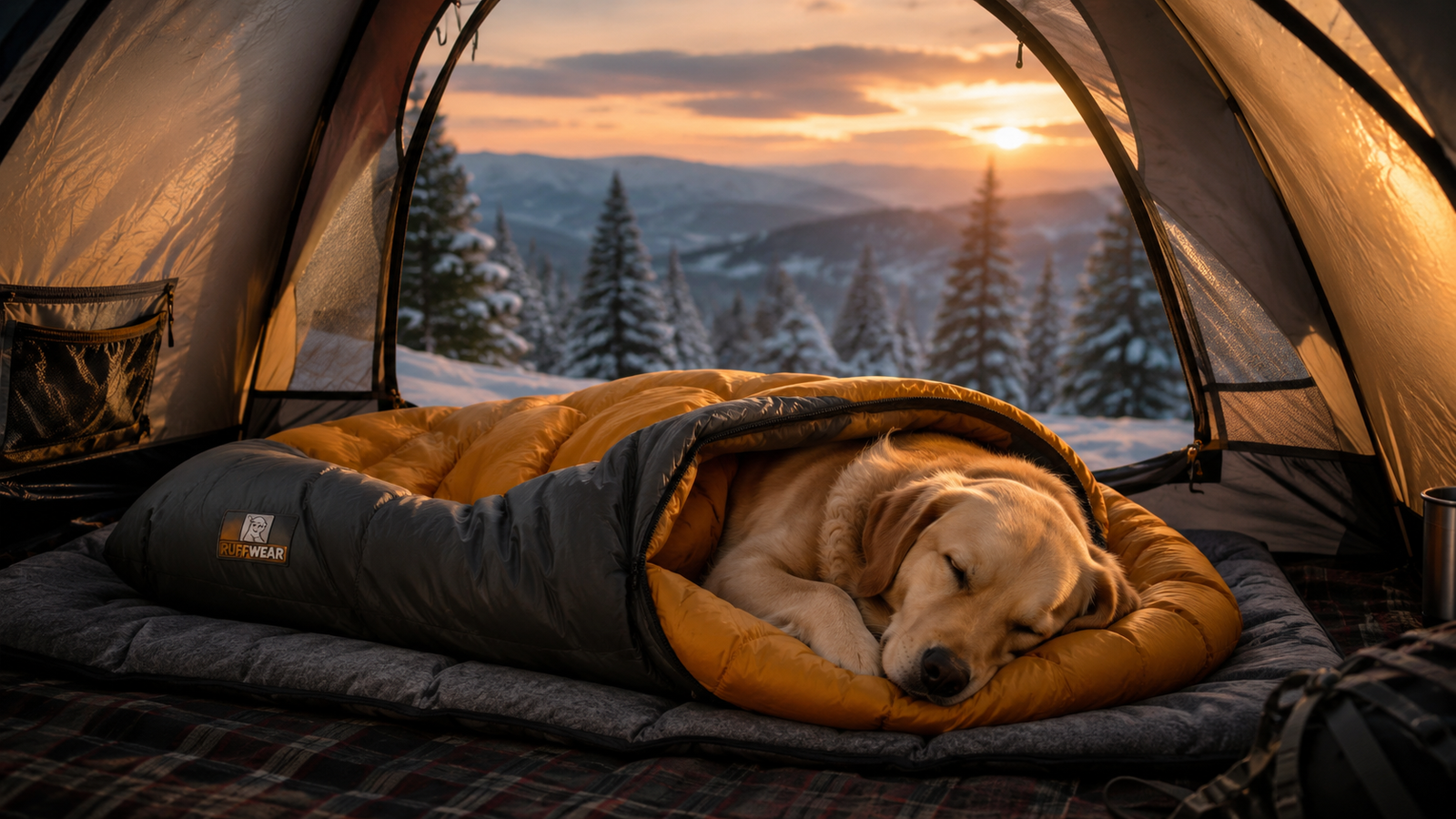
Best Dog Sleeping Bags for Cold Weather : Do Dogs Need a Sleeping Bag?
Nothing changes a winter camping trip faster than watching your dog curl into a tight ball, shivering against frozen ground while the stars light up the sky above your tent. If you spend enough nights outdoors with your four-legged companion, you eventually realize that keeping yourself warm is only half the job. Your dog faces many of the same cold-weather challenges you do, especially after a long day of hiking through snow, crossing icy streams, or sleeping on frozen soil.
So, do dogs actually need a sleeping bag? The honest answer is yes—many of them do. While certain northern breeds like Huskies, Malamutes, and Samoyeds naturally tolerate freezing temperatures thanks to thick double coats, countless other breeds lose body heat surprisingly fast once they stop moving. Short-haired dogs, lean athletic breeds, puppies, senior dogs, and dogs recovering from illness are especially vulnerable to nighttime cold. Even heavily coated breeds can struggle because the biggest source of heat loss often comes from beneath them rather than around them.
Human blankets may seem like a simple solution, but they rarely stay in place once your dog circles, stretches, or changes sleeping positions. Outdoor-specific dog sleeping bags are designed differently. They trap warm air around your dog’s body while creating an insulating barrier between their belly and the freezing ground, helping prevent dangerous heat loss throughout the night.
From my experience on winter backpacking trips, investing in proper canine sleep gear has made a dramatic difference. My dog wakes up rested instead of stiff, stays warmer through the coldest hours before sunrise, and has noticeably more energy for the following day’s hike.
The Biological Reality of Canine Body Heat
Dogs naturally regulate their body temperature well, but biology has limits. Once they stop generating heat through movement, their bodies begin losing warmth in three primary ways: conduction, convection, and radiation. During cold-weather camping, conduction becomes the biggest enemy.
Conduction occurs whenever your dog’s body touches a colder surface. Frozen soil, compacted snow, damp ground, and exposed rock constantly pull heat away from the belly and chest. Unlike the thick fur covering their backs, the underside of many dogs has thinner hair and less natural insulation. Every minute spent lying directly on frozen ground transfers valuable body heat into the earth.
Here is the cold truth: even if the surrounding air feels manageable, the ground beneath your dog can remain dramatically colder. A comfortable air temperature of 28°F (-2°C) can still accompany ground temperatures well below freezing, making prolonged contact surprisingly dangerous.
This is why sleeping bags designed specifically for dogs focus on insulating both above and below the animal. Rather than simply acting like a blanket, they create a thermal pocket that slows conductive heat loss while trapping naturally generated body warmth.
Wind compounds the problem. Moisture from snow or condensation can flatten fur and reduce its insulating ability. Once insulation becomes compressed or damp, your dog’s natural defenses decline rapidly. A quality sleeping bag maintains loft, preserves warm air pockets, and offers an additional protective layer against moisture.
Breed also matters significantly. Greyhounds, Boxers, Vizslas, Dobermans, Weimaraners, Beagles, Pit Bulls, and many mixed breeds with short coats generally benefit much more from dedicated sleep insulation than thick-coated northern breeds. Age plays another important role, as puppies and senior dogs often struggle to regulate body temperature efficiently.
What to Look for in a Cold-Weather Dog Sleeping Bag
Not every dog sleeping bag is built for genuine winter conditions. Some are little more than padded blankets, while others are engineered specifically for backpacking in freezing weather.
Durable Outer Fabric
Ripstop nylon remains one of the best choices for outdoor dog gear. The tightly woven fabric resists tears from claws, rocks, sticks, and repeated packing while remaining surprisingly lightweight. Look for 20D to 70D ripstop nylon depending on how rugged your adventures tend to be.
A Durable Water Repellent (DWR) coating adds another layer of protection by encouraging moisture to bead and roll off instead of soaking into the fabric. Although DWR does not make the sleeping bag completely waterproof, it significantly improves performance during snowy mornings or damp campsites.
Insulation Type
Synthetic insulation generally wins for most dog owners. Modern polyester insulation continues trapping heat even after becoming damp, dries quickly, and withstands repeated compression without requiring delicate maintenance.
Down insulation offers exceptional warmth-to-weight performance but loses much of its insulating ability once saturated with water. Unless you frequently camp in very dry alpine environments and carefully manage moisture, synthetic insulation provides a more forgiving option.
Higher-quality synthetic fills also maintain loft better over years of regular use, making them particularly practical for adventurous dogs that may enter the sleeping bag with damp paws or snow-covered fur.
Comfortable Interior Materials
The interior lining should feel smooth rather than abrasive. Soft polyester or brushed fabrics reduce friction while encouraging hesitant dogs to settle comfortably. Materials that dry quickly also prevent lingering moisture after wet adventures.
Reliable Closures
Zippers deserve more attention than many buyers realize. Cheap zippers frequently snag fur, frustrating both dogs and owners. Premium sleeping bags often use oversized zipper tracks, anti-snag guards, or envelope-style openings that reduce this problem considerably.
Weight and Packability
If you’re backpacking several miles every day, every ounce matters. Compressible sleeping bags that fit inside small stuff sacks make transportation much easier without sacrificing warmth. Car campers have more flexibility and can prioritize thicker insulation over compactness.
Best Dog Sleeping Bags for Cold Weather
Ruffwear Highlands Sleeping Bag
The Ruffwear Highlands Sleeping Bag has earned its reputation among serious backpackers for good reason. It balances warmth, durability, and portability exceptionally well without becoming bulky.
The outer shell uses lightweight ripstop polyester with a water-resistant finish that sheds light moisture while standing up to repeated outdoor abuse. Inside, synthetic insulation retains warmth even after damp mornings or snowy camps.
One detail I genuinely appreciate is the thoughtful shape. Instead of forcing your dog into a restrictive mummy design, the bag provides enough room for natural movement while still trapping body heat efficiently. Dogs that dislike confinement often adapt to this design much faster.
Weighing roughly two pounds depending on size, it remains realistic for backpacking trips where gear weight matters. Compression is excellent, allowing it to fit inside many hiking packs without consuming excessive space.
Kurgo Loft Wander Dog Bed
Although technically designed as a versatile outdoor bed rather than a traditional enclosed sleeping bag, the Kurgo Loft Wander performs exceptionally well when paired with a lightweight fleece blanket or insulated dog quilt.
The synthetic insulation provides excellent ground protection while the rugged waterproof bottom resists moisture from damp campsites. For dogs that dislike crawling inside enclosed bags, this open design often becomes the preferred solution.
The bed rolls tightly for transportation and cleans easily after muddy adventures. Owners of larger breeds especially appreciate its generous sleeping surface.
Chuckit! Travel Dog Bed with Insulated Cover
Budget-conscious campers often overlook the Chuckit! Travel Dog Bed, but it offers impressive value. While not intended for extreme alpine expeditions, it handles shoulder-season camping surprisingly well.
The quilted synthetic padding creates meaningful separation from cold ground while remaining lightweight enough for weekend backpacking. The polyester shell dries quickly after exposure to moisture, and the compact roll-up design fits easily alongside standard camping gear.
Pairing this with a lightweight insulated dog blanket dramatically improves cold-weather performance without adding excessive weight.
Hurtta Outback Dreamer Eco Sleeping Bag
If your adventures regularly include below-freezing temperatures, the Hurtta Outback Dreamer Eco deserves serious consideration. This premium sleeping bag emphasizes warmth while using recycled insulation materials that maintain impressive loft.
The water-resistant shell protects against melting snow, while the generous cut allows dogs to reposition comfortably throughout the night without exposing themselves to cold air. Build quality feels outstanding, with reinforced stitching throughout stress points that commonly fail on cheaper alternatives.
Although heavier than ultralight backpacking options, it excels during car camping, overlanding, hunting trips, and winter base camps where maximum comfort outweighs minimal pack weight.
Pro Tips for Training Your Dog to Use a Sleeping Bag
The best sleeping bag in the world won’t help if your dog refuses to stay inside it. Fortunately, most dogs learn surprisingly quickly when introduced properly.
Start at home several days before your trip. Spread the sleeping bag across your living room floor and allow your dog to investigate naturally. Curiosity works better than forcing them inside. Toss a favorite toy nearby, scatter a few treats across the surface, and let positive experiences build naturally.
Adding familiar scents makes a remarkable difference. Place one of your worn T-shirts inside the sleeping bag or include your dog’s favorite blanket. Familiar smells reduce uncertainty and encourage relaxed behavior.
Reward calm moments inside the bag rather than exciting interactions. The goal is to associate the sleeping bag with rest, security, and warmth rather than playtime.
During your first camping trip, avoid introducing the sleeping bag only after dark when temperatures have already dropped. Let your dog explore it during daylight while setting up camp. Dogs adapt much faster when they can investigate new equipment without additional environmental stress.
One of the most effective upgrades costs very little: place a closed-cell foam sleeping pad underneath the sleeping bag. This dramatically reduces conductive heat loss from frozen ground and often provides more additional warmth than buying a thicker sleeping bag alone.
Always dry the sleeping bag thoroughly after each trip. Damp insulation gradually loses performance over time, and mildew can quickly develop if packed away wet.
Remember to monitor your dog’s behavior throughout the night. Constant shivering, repeated attempts to climb into your sleeping bag, tucked posture, or restless pacing often indicate that additional insulation is necessary.
Making Cold-Weather Camping Safer for Your Dog
A sleeping bag should never be viewed as the only layer of protection. Cold-weather systems work best when every component supports the others. An insulated sleeping pad beneath the bag, adequate evening nutrition, fresh drinking water, dry paws, and a properly fitted insulated jacket all contribute to maintaining healthy body temperature.
Dogs burn significantly more calories while hiking in cold conditions. Feeding a slightly larger dinner before bedtime helps fuel overnight heat production. Just as importantly, make sure your dog goes to bed dry. Wet fur dramatically accelerates heat loss regardless of how expensive the sleeping bag may be.
If temperatures are expected to drop into extreme ranges, consider shortening the trip or choosing lower elevations. Even experienced outdoor dogs have limits, and recognizing those limits is part of responsible adventure planning.
Final Thoughts
Winter adventures become unforgettable when both you and your dog finish each day warm, comfortable, and ready for tomorrow’s trail. A quality dog sleeping bag is far more than a luxury item—it is an important piece of safety equipment that helps reduce heat loss, improves recovery after long hikes, and allows your canine companion to sleep comfortably even when temperatures plunge.
Whether you choose the lightweight efficiency of the Ruffwear Highlands Sleeping Bag, the dependable versatility of the Kurgo Loft Wander, the value offered by Chuckit!, or the premium warmth of the Hurtta Outback Dreamer Eco, the right choice depends on your dog’s size, coat type, activity level, and the environments you explore together. After countless cold mornings on mountain trails, one lesson always stands out: dogs that sleep warm hike stronger, recover faster, and enjoy the journey just as much as we do. Equip them with the same level of care you give yourself, and every winter campsite becomes another comfortable stop on your next great adventure.