
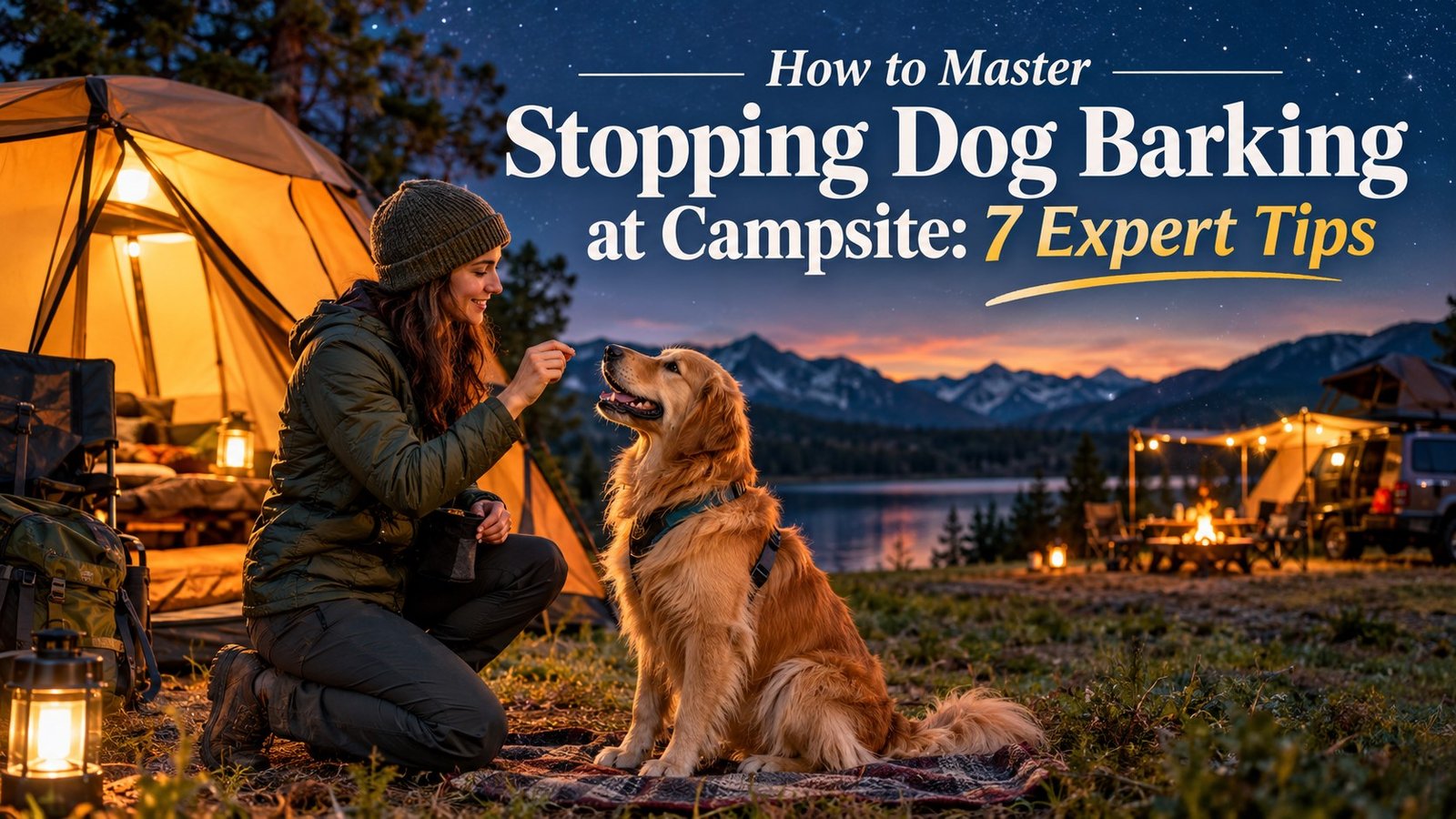
How to Master Stopping Dog Barking at Campsite: 7 Expert Tips
Enjoying a peaceful night under the stars is every camper's dream, but a reactive dog can quickly turn that tranquility into a stressful experience. Mastering the art of stopping dog barking at campsite environments is essential for both your sanity and the comfort of your neighbors. This comprehensive guide reveals 7 expert tips from building acoustic barriers and sensory management to positive reinforcement training designed to help you and your loyal companion enjoy a quiet, harmonious wilderness getaway.
There is nothing quite like the serenity of settling down around a crackling campfire deep in the wilderness with your four-legged companion by your side. The crisp evening air, the rustle of pine needles, and the glowing embers create an atmosphere of pure relaxation and bonding. Yet, that blissful tranquility can be shattered instantly by the sharp, sudden sound of your pet erupting into a frenzy of alarm barking at the slightest rustle in the dark bushes.
Addressing this common behavioral challenge head-on through proven methods of stopping dog barking at campsite locations is essential for maintaining peace and harmony outdoors. Every responsible owner knows that managing campground reactivity dogs requires patience, consistency, and a proactive training mindset before you even leave home.
Navigating the unpredictable auditory environment of an outdoor campground introduces significant stress for dogs whose natural instinct is to protect their mobile territory. Every snapping twig, distant zipper, and nocturnal animal movement triggers an intense protective response that manifests as persistent noise inside a thin tent wall.
Achieving a genuinely quiet night camping pet experience demands a strategic combination of environmental management, desensitization exercises, and positive reinforcement protocols. When you focus intensely on stopping dog barking at campsite areas, you protect your relationship with your pet while respecting fellow outdoor enthusiasts seeking quietude. Mastering these behavioral adjustments transforms a chaotic, stressful overnight trip into a restful and deeply rejuvenating adventure for everyone involved.
This comprehensive manual explores every dimension of canine acoustics management, tent boundary conditioning, and sensory dampening tailored specifically for adventurous pet owners. Whether you are setting up basecamp in a bustling national park or enjoying remote dispersed lands, controlling your dog alert barking tent tendencies safeguards your peace.
By embracing structured obedience principles and studying expert mitigation tactics, you ensure that every journey into nature remains calm and controlled. Emphasizing rigorous stopping dog barking at campsite protocols guarantees harmonious camping memories that celebrate the true beauty of the great outdoors without unnecessary neighborhood friction.
🏕️ Understanding Campground Reactivity and Why Dogs Bark at Night
Comprehending the complex psychological triggers behind nocturnal canine vocalizations begins with recognizing that a tent or thin nylon camper wall provides zero sound insulation against the wilderness. In their home environment, dogs quickly acclimate to familiar neighborhood sounds, but a forest setting introduces an overwhelming symphony of unfamiliar rustling, hooting, and cracking noises.
When dealing with campground reactivity dogs, owners must realize that their pets are experiencing heightened sensory alertness driven by territorial instincts and protective vigilance. Every passing raccoon or distant hiker is perceived as a potential threat to the mobile pack, triggering an immediate vocal warning system that pierces the darkness. Implementing targeted strategies for stopping dog barking at campsite settings requires acknowledging these deep-seated evolutionary responses rather than simply reacting with anger or punishment.
Furthermore, the physical confinement of a fabric shelter often intensifies barrier frustration, making animals feel trapped and hyper-sensitive to every shadow or vibration moving past their temporary den. Successfully achieving a quiet night camping pet reality means understanding how exhaustion, overstimulation, and unmanaged environmental stress compound after a long day of strenuous hiking.
If your dog spends daylight hours processing an endless stream of novel sights and smells, their nervous system remains on high alert long after the sun goes down. Prioritizing structured relaxation periods and mental decompression before bedtime directly supports your ongoing efforts in stopping dog barking at campsite locations. A relaxed, well-rested dog is exponentially less likely to react explosively to minor nighttime disturbances.
Moreover, modern outdoor recreation requires pet owners to actively bridge the gap between domestic comfort and raw wilderness exposure through empathetic, science-based behavioral conditioning. Educating yourself on how auditory cues travel across open forest floors helps you anticipate potential triggers before your dog even registers them.
True outdoor wisdom combines deep affection for your animal with an uncompromising commitment to community etiquette and respectful backcountry coexistence. By mastering the core principles of stopping dog barking at campsite environments, you establish yourself as a calm, capable leader who successfully guides your pet through unfamiliar sensory landscapes with absolute confidence.
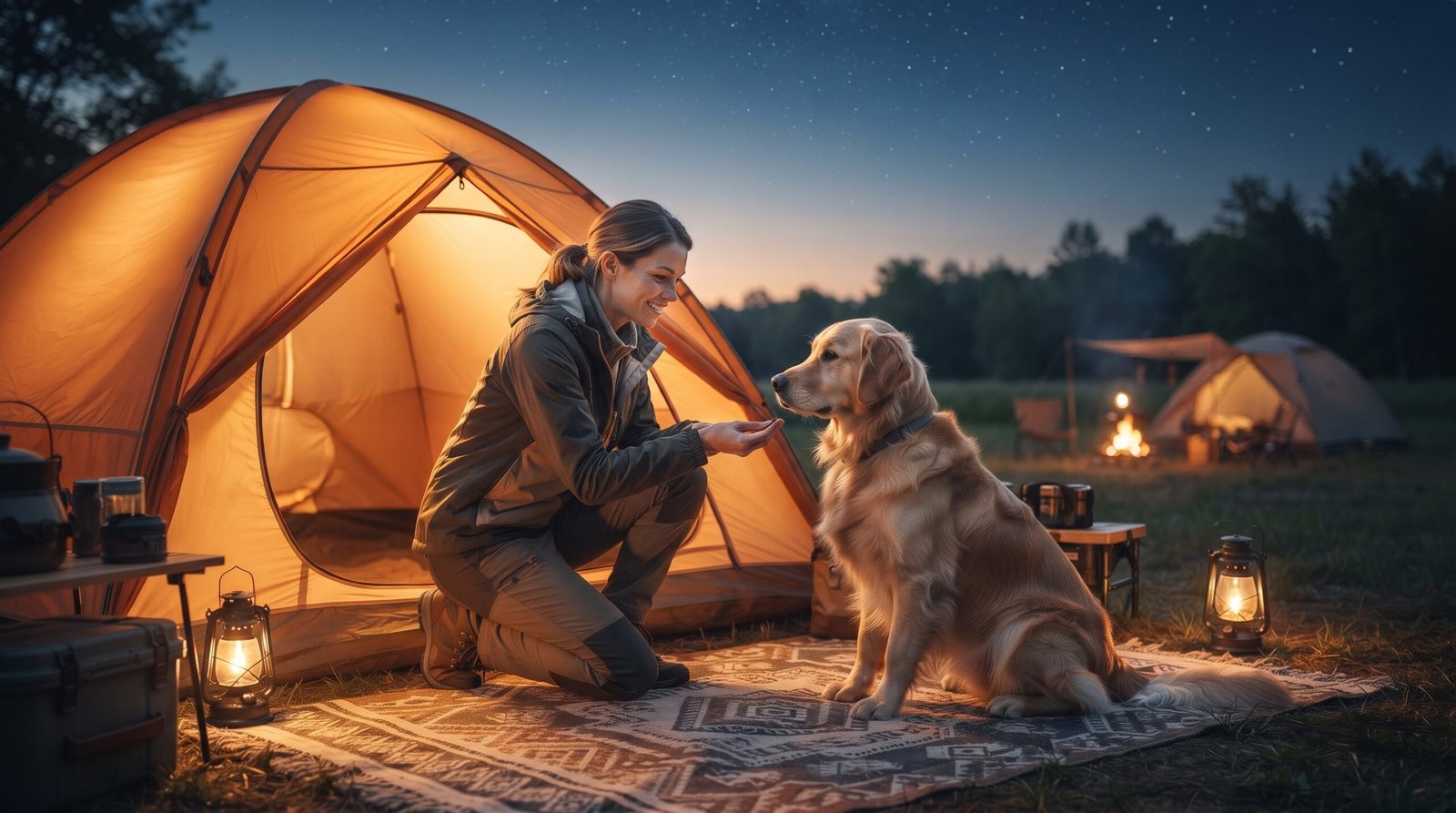
Decoding the Different Types of Canine Camp Alarms
Distinguishing between territorial alert barks, fear-based reactivity, and boredom whimpering allows you to apply the exact corrective response needed for your specific dog. Recognizing these distinct vocal patterns is a foundational step in stopping dog barking at campsite areas.
Understanding that dog alert barking tent episodes are usually fueled by sudden surprise rather than genuine aggression helps you respond with soothing reassurance rather than panic. Tailoring your management style ensures rapid de-escalation during unexpected nighttime noises.
Managing Sensory Overload After Long Trail Days
Providing your dog with a quiet, low-stimulation decompression period inside the tent before sleep helps lower their heart rate and cortisol levels significantly. This routine is vital for maintaining a peaceful environment and supporting stopping dog barking at campsite goals.
Limiting high-intensity fetch games right before bedtime prevents your dog from entering an over-aroused state that makes them exceptionally sensitive to midnight sounds. Calming evening rituals guarantee a much more restful stopping dog barking at campsite experience.

🔇 Creating Acoustic Barriers and Managing Visual Triggers
Minimizing the sensory input entering your sleeping quarters is arguably the most effective physical intervention available to prevent disruptive nighttime outbursts in public recreation areas. Because campground reactivity dogs rely heavily on both sight and sound to assess potential dangers, blocking their line of sight and masking sharp noises works wonders.
Utilizing opaque crate covers, specialized blackout tent liners, or simply positioning your dog's bed away from the tent mesh walls drastically reduces visual provocation. When you eliminate the fleeting shadows of midnight hikers or passing wildlife, you take away half of the equation that fuels persistent stopping dog barking at campsite challenges every single night.
Achieving total success in maintaining a quiet night camping pet atmosphere also requires introducing consistent ambient sound to neutralize sudden, jarring wilderness noises. Bringing along a compact battery-operated white noise machine or playing gentle ambient sounds via a downloaded mobile track creates a reliable acoustic buffer inside your shelter.
This steady background hum effectively drowns out the snapping twigs and distant zippers that normally trigger explosive dog alert barking tent reactions from your resting pet. Integrating these clever environmental modifications into your setup anchors the practical execution of advanced stopping dog barking at campsite protocols before you even turn off the lantern.
Additionally, choosing your campsite pitch with careful consideration of high-traffic footpaths, campground water spigots, and communal restroom doors prevents countless hours of nocturnal frustration. Pitching your tent away from heavy-use corridors ensures your dog encounters fewer moving silhouettes and echoing voices during their vulnerable resting hours.
Investing thought into spatial positioning pays massive dividends through uninterrupted sleep under the stars, proving that environmental design is just as important as direct training. Meticulous campsite placement supports your unwavering commitment to professional stopping dog barking at campsite standards throughout your trip.
Utilizing Opaque Tent Liners and Crate Covers
Draping a heavy blanket or utilizing specialized blackout panels over your dog's indoor travel crate prevents them from tracking every shadow passing outside the tent. Visual containment is a powerful weapon in stopping dog barking at campsite routines.
Positioning your sleeping layout so your dog rests in the innermost center of the tent keeps them physically removed from flapping walls and direct draft zones. This cozy placement minimizes sudden startles that cause dog alert barking tent events.
Masking Sharp Wilderness Noises with Ambient Sound
Running a portable white noise generator on a medium setting creates a smooth acoustic blanket that masks the sharp cracking of distant twigs. Acoustic masking is essential for a truly peaceful stopping dog barking at campsite outcome.
Playing soft classical music or nature recordings at low volume can also help desensitize your pet to unpredictable environmental sounds throughout the evening hours. Consistent background audio fosters a relaxed quiet night camping pet atmosphere.

🎾 Desensitization and Positive Reinforcement Training Techniques
Training your dog to remain calm in the face of sudden environmental stimuli requires dedicated preparation well in advance of your actual outdoor expedition. Relying on makeshift corrections or scolding while sitting in a tent only increases anxiety and worsens campground reactivity dogs issues by adding human tension to the mix.
Instead, proactive desensitization involves exposing your dog to recorded wilderness sounds at home, pairing those noises with exceptionally high-value treats to build positive emotional associations. This systematic conditioning rewires their brain to view strange noises as predictors of delicious rewards rather than terrifying threats demanding an immediate vocal alarm during your stopping dog barking at campsite adventures.
Enforcing rigorous reward schedules for quiet behavior is the cornerstone of establishing reliable obedience when distractions surround your temporary outdoor home. Utilizing a specific "quiet" cue taught with absolute consistency allows you to interrupt unwanted vocalizations before they escalate into full-scale dog alert barking tent episodes.
For comprehensive positive reinforcement methodologies, consult expert behavioral guidelines provided by the ASPCA Pet Care Training Resources on managing reactivity. Rewarding your dog the exact second they stop barking or choose to look at you instead of the noise reinforces the exact neural pathways needed for stopping dog barking at campsite success.
Furthermore, understanding how your own emotional state dictates your dog's reaction prevents you from inadvertently reinforcing the very behavior you wish to eliminate. If you tense up, speak in harsh whispers, or lunge toward your pet when they make a sound, they interpret your frantic energy as confirmation that danger is indeed present.
Remaining preternaturally calm, breathing slowly, and delivering treats with a soothing cadence communicates safety and control to your anxious animal. Mastering this emotional leadership transforms your pet's perspective, ensuring a serene, stress-free quiet night camping pet environment that respects fellow travelers.
| Training Technique | Primary Objective | Implementation Method | Impact on Reactivity |
|---|---|---|---|
| Sound Desensitization | Reduce fear of novel noises | Play recorded camp sounds softly at home with treats. | Lowers baseline arousal to forest sounds. |
| The "Thank You" Cue | Acknowledge and redirect alert | Reward dog for one bark, then command silence. | Satisfies alert instinct without chaos. |
| Mat Training (Place) | Establish calm boundary | Send dog to designated mat when noises occur. | Provides a competing incompatible behavior. |
Mastering the "Thank You" Cue for Alert Barking
Teaching your dog that one initial alert bark is acceptable, followed by immediate redirection to a quiet behavior, satisfies their instinct without causing campground chaos. This technique is invaluable for stopping dog barking at campsite scenarios.
Acknowledging their warning with a calm phrase lets them know you are aware of the noise, eliminating their perceived need to continue sounding the alarm. Clear communication stops dog alert barking tent sessions in their tracks.
Solidifying Solid "Place" Command Inside the Tent
Practicing place training on a portable mat at home ensures your dog knows exactly where to go when environmental tension rises outdoors. A reliable boundary anchors successful stopping dog barking at campsite protocols.
Rewarding heavy relaxation on their designated mat reinforces calm resting postures during high-distraction evening hours. Consistency ensures a peaceful quiet night camping pet experience for all.
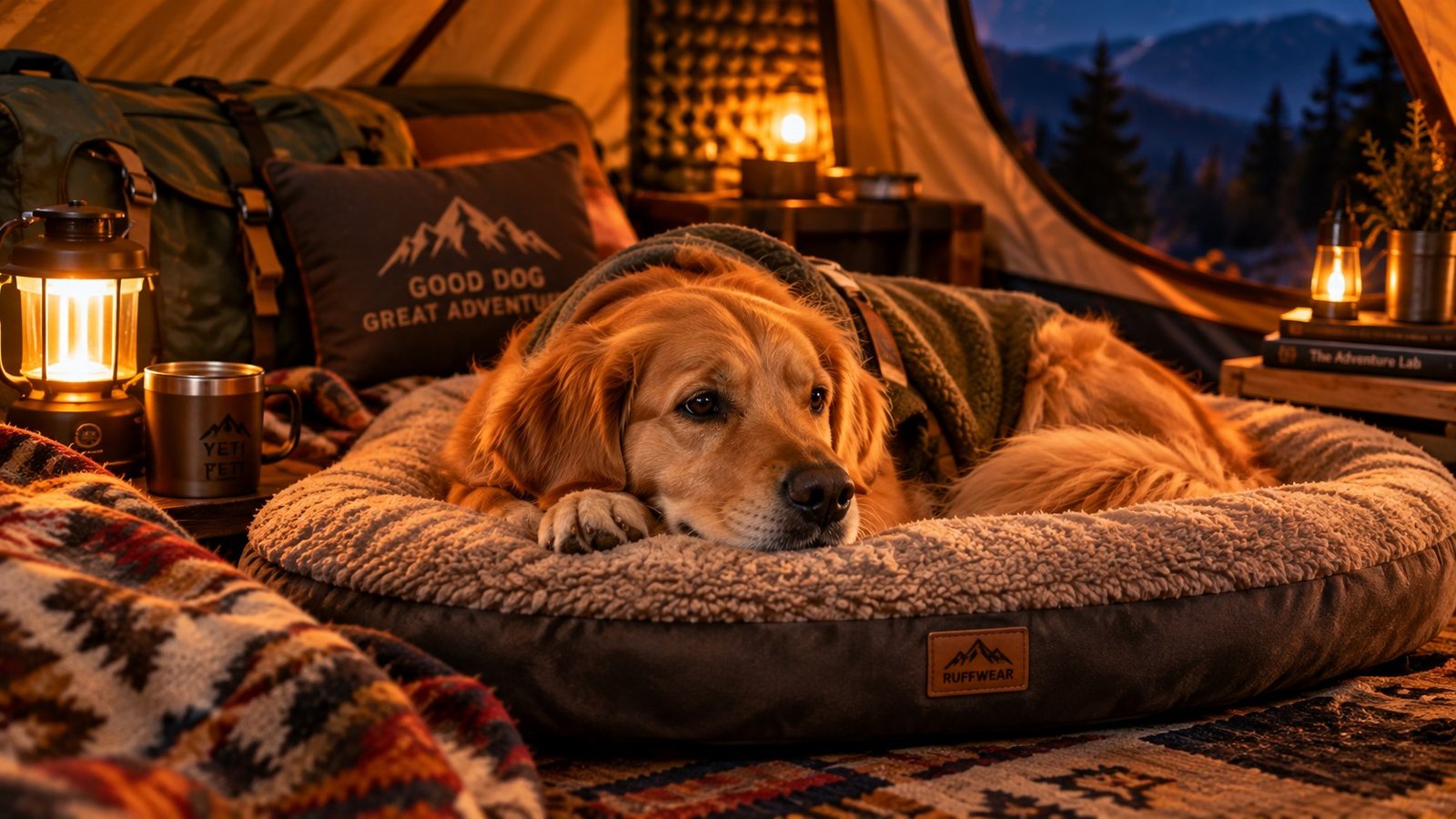
🎒 Gear Solutions and Anti-Bark Tools for Outdoor Adventures
Equipping yourself with the right specialized equipment can dramatically simplify the complex task of managing canine acoustics in densely populated public camping areas. While harsh electronic shock collars are strongly discouraged due to their tendency to increase fear-based aggression in campground reactivity dogs, modern humane alternatives offer fantastic support.
Utilizing gentle vibration collars, ultrasonic deterrents used strictly under expert guidance, or high-traction indoor travel crates helps maintain physical boundaries. Investing in thoughtful gear solutions is a hallmark of proactive preparation when tackling persistent stopping dog barking at campsite hurdles before your departure date.
Integrating comfortable containment gear into your packing list ensures your pet remains secure and unable to lunge against tent walls when sudden nocturnal stimuli occur. A sturdy, escape-proof pop-up kennel or soft-sided travel crate gives your dog a familiar, den-like refuge that naturally curbs wandering and alert behaviors.
This physical structure directly prevents chaotic dog alert barking tent frenzies by keeping your pet comfortably settled in their designated personal zone. Pairing high-end containment gear with thorough obedience training forms an unbreakable foundation for successful stopping dog barking at campsite execution across every terrain.
Additionally, ensuring your dog wears a comfortable, properly fitted harness and leash setup right inside the tent during the initial adjustment nights provides immediate physical management capability. If an unexpected wildlife visitor triggers an intense reaction, having an instant tether allows you to guide your dog smoothly back to their mat without wrestling in the dark.
Treating specialized gear with the same respect as your navigation tools guarantees a polished, highly organized outdoor lifestyle. Well-chosen equipment elevates your overall wilderness competency, securing an effortless quiet night camping pet routine.
Selecting Escape-Proof Soft Travel Crates
Choosing a durable, well-ventilated soft crate that fits comfortably inside your tent establishes an enclosed personal sanctuary for your pet. Safe containment is a cornerstone of stopping dog barking at campsite management.
Ensuring the crate material is breathable yet dark enough to block exterior shadows prevents the visual triggers that spark sudden dog alert barking tent episodes.
Evaluating Humane Anti-Bark Aids and Pheromones
Utilizing calming pheromone collars or sprays inside the tent helps reduce generalized anxiety and promotes deep, tranquil sleep cycles. Botanical aids support ongoing stopping dog barking at campsite training efforts.
Avoiding punitive electronic shock devices in favor of positive reinforcement tools preserves your dog's trust and emotional stability in unfamiliar wilderness settings.

🌲 Etiquette, Neighbor Relations, and Managing Public Campground Rules
Camping in shared public spaces places a heavy ethical responsibility on pet owners to ensure their recreational choices do not infringe upon the peace and enjoyment of others. Campground managers and fellow outdoor enthusiasts have zero tolerance for unmanaged campground reactivity dogs disrupting the natural quiet after established quiet hours.
Being proactive about noise control protects access rights for future pet owners, as many scenic parks institute strict bans following repeated noise complaints. Demonstrating absolute dedication to professional stopping dog barking at campsite practices is our collective duty as responsible outdoor community members.
Establishing open communication with neighboring campers upon arrival can instantly disarm potential friction if your dog is still learning the ropes of outdoor acoustics. Politely letting your neighbors know you are actively working on training your dog not to react to midnight noises builds incredible goodwill and understanding.
This simple social courtesy transforms potential adversaries into sympathetic allies who will appreciate your commitment to achieving a peaceful quiet night camping pet environment. Respecting communal boundaries is non-negotiable for anyone serious about mastering effective stopping dog barking at campsite protocols.
Furthermore, familiarizing yourself with regional park regulations regarding pet containment, leash lengths, and noise ordinances prevents awkward confrontations with camp rangers and wildlife officers. Many jurisdictions enforce immediate fines or expulsion for pets that persistently disturb wildlife or campers with uncontrolled barking.
By staying fully informed and thoroughly prepared, you ensure your outdoor getaway remains centered on joy and exploration rather than administrative penalties. Diligent adherence to campground etiquette completes your master-level blueprint for stopping dog barking at campsite success.
Communicating Proactively with Neighboring Campers
A brief, friendly introduction with your camping neighbors sets a cooperative tone and earns grace if a stray twig startles your pet. Social awareness supports smooth stopping dog barking at campsite trips.
Taking accountability for your dog's vocalizations prevents bitter disputes and fosters a welcoming, supportive community atmosphere across the campground loop.
Adhering Strictly to Park Noise Ordinances
Complying with mandatory generator and noise curfew hours ensures you respect the legal framework established to protect wilderness serenity. Legal compliance is essential for stopping dog barking at campsite compliance.
Knowing when to transition your dog indoors or into your vehicle for enforced quiet time guarantees zero friction with camp rangers and authorities.
❓ Frequently Asked Questions About Camping Dog Acoustics
Addressing the specific nuances and common anxieties surrounding canine vocalizations in shared outdoor spaces helps build practical, actionable confidence for your trips. Providing authoritative answers to frequently asked questions clarifies complex behavioral challenges faced by adventurers.
Reviewing these expert responses ensures you start your backcountry excursion fully equipped with knowledge tailored for successful stopping dog barking at campsite outcomes.
What should I do if my dog starts barking uncontrollably at midnight in the tent?
Immediately interrupt the behavior by calmly placing a physical barrier or using your pre-trained "place" command to guide them onto their mat. Speak in a low, soothing tone, deliver high-value treats for silence, and avoid yelling, which only adds to the perceived danger during your stopping dog barking at campsite management routine.
Are anti-bark ultrasonic devices safe to use inside a tent?
While ultrasonic devices can deter barking, they should be used with extreme caution in confined tent spaces because the high-frequency sound cannot escape easily and may cause severe distress. Positive reinforcement training remains vastly superior for long-term stopping dog barking at campsite success.
How can I practice campground desensitization before leaving home?
Play recorded audio of forest sounds, rustling leaves, and zipper noises at low volume in your living room while rewarding your dog for calm behavior. Gradually increase the volume over several weeks to build bulletproof resilience for your actual stopping dog barking at campsite trips.
Is it better to crate my dog or let them sleep loose in the tent?
For dogs prone to alert barking, crating them with an opaque cover often provides a secure den-like environment that drastically reduces visual and physical reactivity. This containment strategy is a powerful asset in stopping dog barking at campsite efforts.
Ready for Perfectly Peaceful Camping Nights?
Download our complete, printable campground acoustic training checklist and reactivity guide today to master your next outdoor expedition with total confidence!
Get the Free Quiet Camp Guide Now📝 Final Thoughts on Achieving Peaceful Camping Nights with Your Dog
Reflecting upon the profound experiences shared across majestic mountain ranges, deep pine forests, and starlit valleys, it becomes abundantly clear that camping with a dog deepens our connection to nature. Navigating the wilderness responsibly teaches us patience, acoustic awareness, and deep respect for the tranquility sought by fellow outdoor enthusiasts.
Wilderness exploration strips away modern distractions, allowing us to synchronize our pacing with our pets while discovering breathtaking vistas together. Mastering the delicate art of stopping dog barking at campsite locations transforms a potentially stressful ordeal into a masterclass in canine communication and mutual trust. The sheer peace of a silent, starlit night is a reward that far outweighs the preliminary training effort required.
However, long-term success in backcountry exploration relies entirely on your consistent discipline, thorough environmental preparation, and unwavering adherence to campground etiquette. By prioritizing acoustic masking, investing in positive reinforcement desensitization, respecting noise ordinances, and maintaining proactive boundary control, your future outdoor adventures will remain harmonious and rewarding.
Every expedition serves as a dynamic learning experience that builds lasting confidence and strengthens the unique bond between human and animal partners exploring untamed frontiers. Perfecting your stopping dog barking at campsite strategies ensures you are never caught unprepared by midnight noises or reactive outbursts. Your dedication to community peace defines the true quality of the journey.
Start your regional training sessions with controlled home simulations, audit your tent setup for acoustic leaks, observe your dog's subtle body language for signs of tension, and gradually test your skills in busier campgrounds. Pack your specialized gear thoughtfully, respect park regulations, leave absolutely no trace behind, and cherish every single step of the journey with your loyal companion.
Your next great backcountry adventure across the magnificent wilderness is waiting just beyond the trailhead, ready to be enjoyed in absolute quiet. Master the techniques of stopping dog barking at campsite environments, and every future trip will offer unmatched serenity!
Hit the Road, Camp with Paws! Discover more detailed personal survival stories, expert overland gear reviews, and comprehensive vehicle camping guides at CarCampingPaws.com.