
7 Best Ways to Avoid Mountain Hazards for Dogs: Safe Paw Guide
Mountain Hazards for Dogs: Alpine Hiking & Paw Protection Guide
Meta Description: Learn how to protect your pet from mountain hazards for dogs, including rough scree, hot granite rocks, wildlife, and paw pad injuries on alpine trails.
Hiking through high-alpine terrain with a canine companion brings unmatched joy to any backcountry adventure. Watching your dog power up switchbacks and sniff cold mountain air reminds us why we share our lives with these animals. However, understanding mountain hazards for dogs is essential before attempting high-altitude alpine routes that test the limits of canine endurance and physical resilience. Loose scree fields, razor-sharp granite, scorching sub-alpine rock, and sudden snowpacks can tear through healthy paw pads long before you reach the summit.
Navigating primary mountain hazards for dogs requires looking beyond simple fatigue and assessing the unique terrain elements that threaten your pet's physical safety. Paw pads are surprisingly sensitive tissues, composed of specialized skin, fat deposits, and dense blood vessels designed to absorb impact. While tough, they are not impervious to continuous friction, sharp edges, or thermal extremes. A minor pad tear or split nail miles from the trailhead quickly turns a scenic afternoon trek into an emergency rescue scenario.
Taking proactive steps to safeguard your dog's paws ensures that every trek into the high country remains safe and enjoyable. By implementing proper paw conditioning, selecting effective gear, recognizing environmental dangers, and preparing a field-ready medical response, you can confidently protect your pet from various mountain hazards for dogs while traversing rugged trails.
Understanding Alpine Terrain and Paw Pad Vulnerability
The geological makeup of mountain trails poses constant challenges to canine paws. Lowland dirt paths give way to harsh surfaces as elevation increases, each presenting distinct mechanical threats. Scree fields consist of loose, unstable rock fragments that shift under weight, forcing your dog's paws to slide laterally. Understanding these unstable trail conditions as primary mountain hazards for dogs reveals how grinding motion creates intense friction against the soft tissue between pad digits, causing painful abrasions that might not immediately show external bleeding.
Granite boulders, shale ledges, and volcanic rock feature micro-edges that slice clean through canine paw pads. Unlike human boots with stiff shank plates, a dog's foot conforms entirely to the ground surface. When stepping onto razor-sharp shale, the dog's full body weight concentrates on tiny contact points. Recognizing these rock formations as significant mountain hazards for dogs helps owners choose safer routes and avoid deep punctures or flap lacerations that bleed profusely and heal slowly.
Thermal conditions at high elevation exacerbate these physical dangers. Direct sun exposure intensely heats exposed rock faces above the treeline, even when ambient air temperatures feel comfortable. Granite slabs absorb solar radiation and retain heat, reaching surface temperatures that easily blister delicate pad tissue within minutes. Identifying extreme temperature shifts among common mountain hazards for dogs ensures you stay prepared. Conversely, crossing lingering alpine snowfields or glacial melt streams causes rapid freezing, making pads brittle, prone to cracking, and vulnerable to frostnip.
Environmental moisture also plays a critical role in pad vulnerability. Continuous exposure to damp trails, creek crossings, or wet vegetation softens the outer keratin layer of the paw pad, making it significantly more susceptible to tearing. When waterlogged pads immediately encounter abrasive gravel or hot rock, the risk of severe pad sloughing spikes dramatically.
Physical Preparation and Paw Conditioning Before the Hike
Protecting your dog's paws begins long before setting foot on a mountain trail. Conditioning pad tissue requires a gradual, deliberate approach to build natural toughness without causing trauma. Dogs that spend most of their time walking on soft grass or carpet possess thin, tender pads that tear easily when exposed to mountain hazards for dogs on steep ascents.
Begin a conditioning routine weeks prior to any major mountain trip. Gradually increase walking distances on varied, firm surfaces such as asphalt, rough concrete, and unpaved gravel paths. Building natural resilience against various physical mountain hazards for dogs through consistent, controlled friction stimulates pad hyperkeratosis, prompting the body to thicken the protective outer layer of skin. Monitor your dog's feet closely during this process, checking for signs of reddening or excessive dryness.
Applying specialized paw waxes or hardening ointments offers an additional layer of defense during the pre-season conditioning phase. Wax formulations containing beeswax, vitamin E, and natural oils create a breathable barrier that seals in moisture while toughening the pad exterior. Applying these products regularly helps prevent deep cracking caused by dry, arid mountain air without softening the pad to a dangerous degree.

Proper nail maintenance is equally vital for paw protection when navigating potential mountain hazards for dogs along rugged paths. Overgrown nails force the paw to splay outward upon impact, altering natural gait mechanics and placing abnormal strain on joints and tendons. Long nails also strike rocks directly, risking painful fractures that split back into the quick. Trim your dog's nails short enough so they do not contact flat ground while standing, paying special attention to dewclaws, which catch easily on sharp rock edges or low-growing alpine brush.
Essential Gear for Dog Paw Protection Hiking
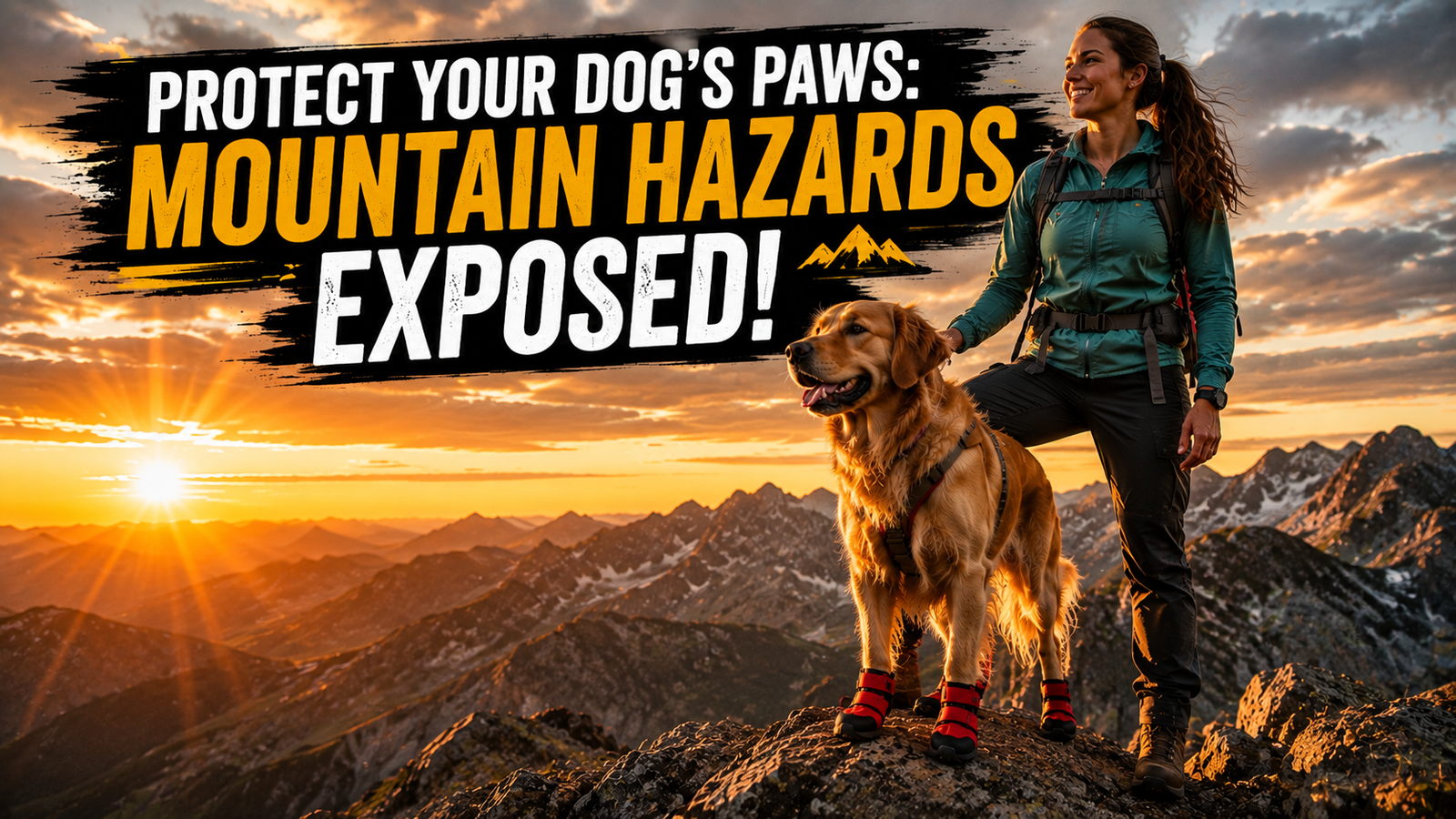
Investing in high-quality gear remains the most effective way to shield your companion's feet from harsh trail conditions. While many dogs initially resist wearing footwear, proper dog paw protection hiking strategies rely heavily on well-fitted, durable trail booties designed specifically to mitigate mountain hazards for dogs on sharp talus slopes.
Select booties constructed with rugged, high-traction rubber outsoles and breathable, abrasion-resistant upper fabric. Equipping your pet with reliable footwear effectively minimizes potential mountain hazards for dogs like sharp granite edges, burning rocks, and jagged shale on steep ascents. The bootie must feature a secure closure system, ideally utilizing dual hook-and-loop straps or secondary ankle cinches to prevent slipping during steep descents. Avoid flimsy disposable booties or smooth-bottomed booties intended for indoor use or light snow, as these lack the structural integrity and traction required for mountain ascents.

Fitting trail booties correctly determines whether they protect the foot or create new problems. Measure your dog's paw width while fully weight-bearing on a piece of paper, marking the widest points on either side. A bootie that is too small pinches the toes together and restricts circulation, while an oversized bootie rotates around the foot, causing severe friction blisters. Always pair trail booties with dedicated canine boot socks to wick away sweat, prevent chaffing from interior seams, and ensure a snug, comfortable fit.
Accustom your dog to wearing booties long before hitting the trail. Introduce the footwear at home using positive reinforcement, allowing your dog to walk short distances indoors while wearing them. Graduate to brief neighborhood walks before attempting a full mountain hike. Properly acclimating your pup reduces stress and helps them navigate complex mountain hazards for dogs with confidence, ensuring their natural gait is maintained without premature joint fatigue.
Field repairs and emergency gear must also form a standard part of your trail pack. Rubber-coated booties eventually wear down, and lost booties represent a common occurrence on steep talus slopes. Always carry at least two spare booties, extra boot socks, and lightweight athletic tape to secure loose cuffs if conditions turn unusually muddy or wet.
Recognizing and Managing Mountain Hazards for Dogs
Beyond rough terrain, navigating high-altitude environments requires vigilance regarding broader environmental threats. Identifying critical mountain hazards for dogs involves assessing atmospheric conditions, temperature spikes, water availability, and local wildlife dynamics before stepping onto the trail.
Sub-alpine ecosystems expose dogs to extreme ultraviolet radiation and rapid weather shifts. High winds and thin air accelerate dehydration, reducing a dog's natural ability to thermoregulate through panting. When a dog becomes dehydrated, pad elasticity decreases, making tissue far more susceptible to cracking and tearing. Maintain a strict hydration schedule, offering small amounts of clean water at regular intervals rather than allowing your dog to gorge at sparse mountain pools.
Trailside debris and abandoned mining artifacts represent frequently overlooked physical mountain hazards for dogs in backcountry regions. Historic trails often hide rusty iron spikes, sharp wire fencing, broken glass, and discarded metal fragments under pine needles or thin snow covers. Keep your dog close on established paths and discourage frantic digging around old rock cairns or timber structures where jagged materials often lie buried.
High-altitude trails also feature steep drop-offs, loose cornices, and unstable rockfalls triggered by wildlife or other hikers above. Keep your dog under tight leash control whenever navigating narrow ridge lines or walking beneath sheer rock faces. An unexpected slide on loose gravel near a ledge can turn a manageable trail risk into a catastrophic fall.
Thermal stress from ambient heat combined with hot stone surfaces poses a dual threat. Test rock temperatures with the back of your bare hand for five full seconds before letting your dog walk across sun-exposed slabs. If the surface feels uncomfortably hot to your skin, it will burn canine pads. Plan alpine hikes during early morning hours to navigate exposed sections before the sun reaches its peak strength.
Navigating Wildlife Encounters and Environmental Threats
High-altitude ecosystems serve as home to diverse wildlife species, creating potential conflict points for hiking dogs. Managing wildlife encounters with dogs requires proactive leash handling, keen environmental awareness, and an understanding of animal behavior when confronting potential mountain hazards for dogs in remote wilderness areas.
Bears, mountain lions, and moose view off-leash dogs as either potential prey or aggressive threats. A dog that chases a wild animal into dense brush often flees back toward its owner with an agitated predator in pursuit. Understanding these biological encounters as critical mountain hazards for dogs highlights why keeping your dog on a sturdy, non-retractable leash eliminates danger and protects native species from unnecessary stress. Pay attention to subtle behavioral shifts in your dog, such as sudden alertness, raised hackles, or fixated staring into timber stands, which often signal nearby wildlife before you spot it yourself.
Venomous snakes present a serious danger on lower-elevation mountain approaches and sunny, rock-strewn slopes. A snake bite pet emergency requires immediate, calm intervention to prevent rapid venom distribution through the bloodstream. Rattlesnakes often seek warmth on flat rocks or hide beneath low ledges where dogs naturally explore with their noses and paws.
Preventing snake encounters involves staying on well-traveled paths, avoiding high grass, and prohibiting your dog from poking its snout under boulders or fallen logs. Recognizing snake territory as one of the most unpredictable mountain hazards for dogs allows owners to stay vigilant during warm afternoon ascents. Consider enrolling your dog in professional rattlesnake avoidance training if you regularly frequent known snake habitats. If a bite occurs, keep the dog as quiet and still as possible, carry them out if feasible to slow heart rate and venom transport, and seek urgent veterinary care immediately without attempting dangerous field remedies like cutting the wound or applying tourniquets.
Trailside Paw First Aid and Emergency Management
Even with meticulous preparation, paw injuries resulting from sudden mountain hazards for dogs can happen deep in the backcountry. Knowing how to assess, clean, and bandage a damaged paw allows you to stabilize your dog's condition and navigate back to safety without causing further tissue destruction.
Begin any first aid assessment by securing your dog calmly. Even the most gentle animal may bite when experiencing acute pain from a torn pad or split quick. Muzzle the dog temporarily using a soft strap or strip of cloth if they display severe distress during examination.
Clean the affected foot thoroughly using clean, potable water or sterile saline solution. Flush away dirt, sand, and tiny rock fragments embedded within the wound. Avoid using harsh chemicals like hydrogen peroxide or undiluted alcohol directly on open pad tissue, as these destroy healthy cells and delay the natural healing process. Gently pat the area dry with clean gauze pads.
Apply a thin layer of veterinary-approved antibiotic ointment to the wound. Cover the pad with non-stick sterile gauze pads, placing small pieces of cotton or gauze between individual toes to absorb moisture and prevent painful friction chafing. Wrap the foot smoothly with self-adhering vet wrap, starting from the toes and moving upward past the carpal joint or hock to prevent the bandage from slipping off during movement.

Ensure the bandage is snug enough to hold dressings in place and control minor bleeding, but not so tight that it cuts off blood circulation. You should easily slide one finger beneath the top edge of the bandage. Cover the entire bandage with an emergency bootie or a heavy-duty plastic bag secured with tape to keep the wrapping dry while trekking back to the trailhead.
Proper paw management extends beyond the trail finish line. Establishing a thorough post-hike inspection routine ensures that exposure to various mountain hazards for dogs does not lead to chronic infections or long-term mobility issues.
Immediately upon returning to your vehicle or campsite, clean your dog's feet with fresh water to remove fine trail dust, pine sap, and organic debris. Inspect each paw meticulously under good lighting. Spread the toes apart to check the interdigital webbing for ticks, embedded foxtails, red inflammation, or small hidden cuts. Examine the main pads and digital pads for surface peeling, cracks, or embedded gravel particles.
Apply a soothing, natural paw balm formulated with ingredients like shea butter, calendula, or aloe vera to restore lost hydration. High-altitude air and abrasive rock strip natural oils from pad skin, leaving it stiff and prone to post-hike cracking. Massaging balm into clean pads promotes circulation and accelerates tissue recovery while your dog rests.
Rest remains a critical component of pad health after demanding mountain outings. Avoid scheduling back-to-back high-mileage hikes over rough terrain, giving pad tissue time to repair microscopic micro-tears and build additional density. Keep your dog on soft surfaces like grass or thick blankets for 24 to 48 hours following a grueling alpine trek.
Monitor your dog's gait and behavior closely over the days following a major hike. Licking or chewing at a specific paw usually indicates hidden discomfort, an embedded foreign object, or a developing localized infection. If you observe persistent limping, discharge, foul odors, or heat radiating from a pad, consult a veterinarian promptly for professional diagnostic evaluation and treatment. To learn more about creating an optimal post-trail recovery setup at your campsite, read our article on setting up a comfortable camp space for dogs.
Planning Safe Alpine Itineraries for You and Your Dog
Successful high-altitude adventures depend on choosing routes that match your dog's physical capabilities, age, and conditioning level. Properly evaluating mountain hazards for dogs along your intended path prevents overestimating your pet's stamina or pushing through unsafe weather conditions.
Research trail surface profiles beforehand using detailed topographical maps, park service updates, and recent hiker reports. Look specifically for trail notes mentioning extensive talus fields, exposed knife-edge ridges, or sharp volcanic scree. Select routes that feature a mix of soft dirt paths, shaded forest sections, and accessible natural water sources to minimize continuous mechanical wear on paw pads.
Factor elevation gains and weather forecasts into your daily planning. High-altitude environments present rapid temperature drops, afternoon thunderstorms, and high wind chills that tax a dog's energy reserves. Ensure your daily mileage accounts for frequent rest breaks where your dog can remove booties, cool their feet, and rest on soft ground.
Always verify local dog regulations before setting out on your trip. Many national parks, wilderness areas, and sensitive alpine preserves enforce strict leash laws or prohibit dogs entirely to protect fragile flora and wildlife habitats. Complying with these guidelines preserves access for outdoor enthusiasts and mitigates environmental mountain hazards for dogs and native wildlife alike. For additional inspiration on selecting dog-friendly wilderness routes, see our guide to top dog-friendly mountain hiking destinations.
The National Park Service offers comprehensive resources regarding pet safety, trail rules, and environmental stewardship across public lands, providing essential guidance for responsible dog owners planning high-country visits.
By combining thorough physical conditioning, reliable protective gear, keen awareness of environmental dangers, and field-tested first aid skills, you can safely navigate common mountain hazards for dogs and explore breathtaking landscapes alongside your faithful companion. Taking time to safeguard those four vital paws ensures countless miles of shared adventures on the trail ahead.
Conclusion
Conquering high-altitude trails with your four-legged companion is one of the most rewarding outdoor experiences you can share. However, maintaining trail safety requires constant awareness of potential mountain hazards for dogs and a proactive commitment to paw health. From toughening paw pads with conditioning wax weeks before your trip to investing in durable, high-traction booties and carrying a dedicated field medical kit, every preparation step minimizes the risk of painful trailside injuries.
Always respect the mountain environment by staying alert to sharp shale, hot granite surfaces, unpredictable wildlife encounters, and sudden weather changes. By combining diligent preparation, quality gear, and thorough post-hike recovery care, you can protect your dog's paws against common mountain hazards for dogs and enjoy countless unforgettable, injury-free adventures together on the rocky trails ahead.
For more advice on choosing the best camping setup for your pet, check out our guide on best dog sleeping bags for car camping.
Protect Your Dog from Alpine Hazards Today
Don't let rough scree and hot granite ruin your next mountain hike. Equip your companion with protective paw wax, durable hiking booties, and a reliable first-aid kit now!
Hit the Road, Camp with Paws! Your definitive resource for vehicle overlanding, canine health protocols, and outdoor gear reviews. Discover more guides at CarCampingPaws.com.