
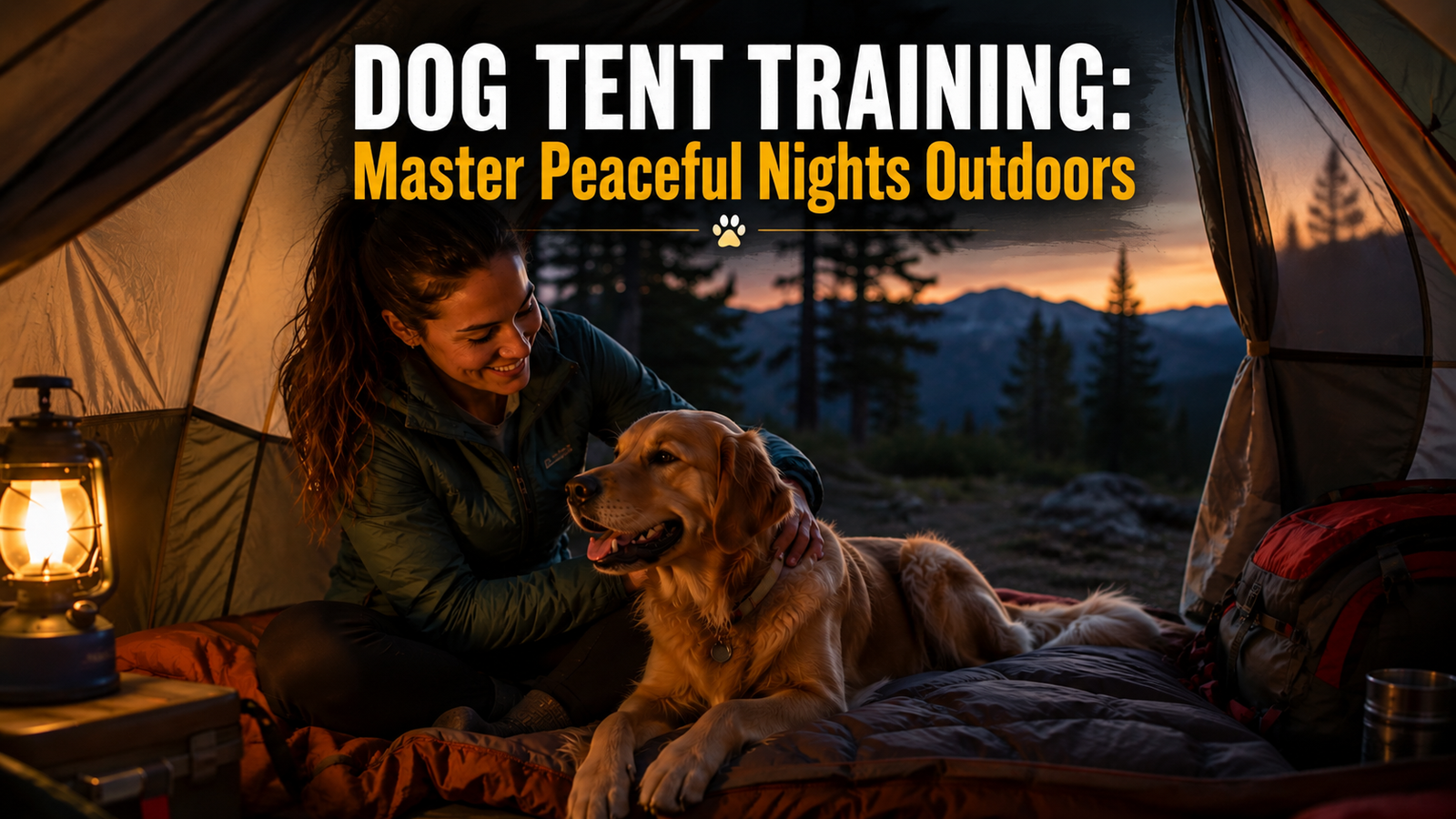
How to Train Your Dog to Sleep Peacefully in a Tent: The Ultimate Guide to Dog Tent Training (2026)
Dog Tent Training Guide: Stress-Free Camping & Wilderness Nights (2026)
Meta Description: Master dog tent training with our step-by-step guide. Learn indoor familiarization, backyard transition routines, bark control, and outdoor anxiety solutions.
Taking your four-legged companion into the great outdoors turns an ordinary weekend into an unforgettable adventure. However, sleeping under the stars isn't as simple as pitching a tent and calling it a night. Developing a structured approach to dog tent training helps eliminate late-night restlessness, reduces unexpected alarm barking, and builds deep confidence in novel outdoor environments. Many dog owners underestimate how overwhelming a thin nylon enclosure can feel to a pet accustomed to home comforts. By introducing camping gear gradually in a controlled environment, effective dog tent training lays a solid foundation for stress-free nights in the wilderness.
Before packing your backpack, understanding your pet's mindset when introduced to fresh outdoor stimuli is paramount. Strange nocturnal sounds, rustling leaves, shadows cast by campfire light, and unfamiliar wildlife scents can easily trigger natural guard instincts. A thorough understanding of effective gear & equipment strategies combined with proper dog tent training makes a massive difference in how comfortably your dog adapts to novel campsites. Committing early to systematic dog tent training guarantees that your upcoming trips feature refreshing sleep rather than exhausting, watchful nights managing an anxious pup.

1. Understanding the Psychology & Fundamentals of Dog Tent Training
The journey toward peaceful wilderness nights begins long before setting foot on a dusty trail. Beginning your official dog tent training sessions inside your living room or backyard eliminates unpredictable environmental variables such as chilly winds, distracting wildlife, or sudden rainfall. Pitch your tent indoors on a quiet afternoon and leave all door flaps wide open. Allow your curious pet to inspect the unfamiliar fabric and structure at their own pace without forcing them inside. Successful dog tent training relies on natural curiosity driving dogs to investigate new objects when pressure and spatial restriction are completely absent.
Scatter high-value treats (like freeze-dried liver or cheese) near the entrance and inside the shelter to build positive emotional associations with the enclosure during early dog tent training. Whenever your dog steps inside voluntarily, mark the exact moment with enthusiastic verbal praise or a clicker, followed immediately by a reward. Repetitive positive reinforcement in your dog tent training routine turns an unfamiliar nylon structure into a safe, rewarding space. Consistent home practice ensures that your pet views the shelter as a natural extension of their secure domestic environment rather than an intimidating trap.
Desensitization takes time, so patience is key throughout your dog tent training process. Do not rush this initial phase. Spend at least three to five days simply having the tent set up in your house. Play fetch around it, place their meal bowl right near the door, and let them realize that the tent is a permanent, non-threatening piece of furniture.
2. Step-by-Step Indoor to Backyard Transition Routine
Once your pup shows curiosity without subtle signs of anxiety (such as lip-licking, yawning, or tail tucking), progress toward structured practice sessions. Mastering dog tent training for indoor and outdoor spaces requires patient repetition and incremental steps.
Step 1: The Indoor Floor Station
Begin your dog tent training by encouraging your dog to enter the tent and lie down on their familiar household bed or blanket. Toss high-value treats inside periodically while keeping the doors wide open, rewarding calm behavior and relaxed physical postures. Keep these early dog tent training sessions short—ideally under ten minutes—to maintain high enthusiasm and prevent mental overload.
Step 2: Introducing Door Enclosures
Gradually transition your dog tent training to zipping the mesh door closed for brief intervals while remaining inside alongside your dog. Speak in a soothing, relaxed tone to reinforce safety while the exit is temporarily restricted. If your pet exhibits slight restlessness, sit calmly next to them until they settle before opening the zip. Never open the shelter while your dog is whining or pawing at the mesh, as this undermines your dog tent training efforts by inadvertently rewarding anxious behavior.
Step 3: The Backyard Overnight Test
Moving the setup from the living room to your backyard marks the next critical milestone in dog tent training. Backyard dog tent training introduces realistic ambient noises—such as passing cars, wind rustling through trees, and distant neighbor scents—while keeping familiar home comforts just steps away. Spending a full evening or an experimental night in the backyard helps test your equipment and routine before heading deep into remote backcountry locations.

3. Effective Strategies for Bark Control & Focus Management
Wilderness sounds frequently activate a dog's protective territorial instincts, leading to disruptive nighttime vocalizations. Managing bark control alongside dog tent training relies heavily on proactive focus management and strategic physical energy expenditure. A tired dog is far less responsive to subtle background noises like wind rustling or nocturnal animal footsteps.
- Physical Drain: Plan vigorous late-afternoon hikes or engaging fetch sessions to complement your dog tent training by thoroughly tiring out your companion before sunset approaches.
- Mental Drain: Use puzzle toys, scent games, or obedience sessions around the campfire to wear down their cognitive energy.
- Sound Masking: Inside the shelter, mask unfamiliar outdoor sounds using steady ambient background noise. A portable white noise machine effectively supports your dog tent training by softening abrupt outdoor noises that trigger alarm barking.
- Strategic Bed Placement: Position your dog's bed away from the shelter walls to prevent them from reacting to shadows or external movements brushing against the outer fabric. Direct physical contact provides instant emotional reassurance when subtle noises occur.
When unexpected barking happens, maintain a neutral demeanor and avoid yelling, which your pet may interpret as joining in the alarm. Instead, use a firm, calm command like "Quiet," immediately redirecting their attention with a simple handler touch or a quick treat once silence is achieved. Incorporating quiet commands into your dog tent training reinforces the understanding that night sounds require no territorial response.
4. Overcoming Tent Anxiety & Nighttime Stress with Dog Tent Training
Some pets experience deeper anxiety when enclosed inside thin synthetic materials far from their familiar home routines. Addressing these behaviors with targeted dog tent training requires compassionate adjustments tailored to your dog's individual emotional sensitivity. Bringing along familiar household items, such as an unwashed blanket carrying your personal scent or a favorite plush toy, offers immense psychological comfort in unfamiliar territory.
Ensuring physical warmth represents another critical factor in effective dog tent training and mitigating nighttime canine stress. Cold temperatures rapidly increase restlessness, making dogs hyper-aware of their surroundings. Investing in specialized canine outdoor bedding ensures your companion stays cozy despite dropping evening temperatures. You can explore official safety recommendations on U.S. Forest Service outdoor guidelines to better prepare for wilderness safety and pet protection.
Establish a recognizable bedtime routine that mirrors your domestic night structure to strengthen your dog tent training. Feed your dog at their normal hour, conduct a final bathroom break right before turning in, and offer a long-lasting chew toy inside the shelter. The rhythmic chewing action naturally releases soothing endorphins, lowering heart rates and encouraging swift transitions into restful sleep.
5. Comprehensive Campsite Safety & Placement Checklist
Where and how you set up your shelter impacts your dog's psychological comfort and overall dog tent training success. Follow these field-tested positioning guidelines when arriving at your campground:
| Factor | Recommended Practice | Why It Matters for Dogs |
|---|---|---|
| Distance from Trails | Set up at least 30–50 feet away from main footpath routes. | Reduces visual and auditory triggers from late-night hikers or other dogs walking past. |
| Ground Surface | Clear away sharp rocks, pinecones, and thorny debris before pitching. | Prevents paw pad injuries and ensures a soft, comfortable sleeping base under your dog's pad. |
| Natural Windbreaks | Position the tent entrance facing away from prevailing winds, behind large trees or boulders. | Minimizes snapping tent fabric noises that startle sensitive dogs during windy nights. |
| Campfire Clearance | Keep tent openings at a safe distance from fire pits and flying embers. | Prevents accidental burns, smoke irritation in canine lungs, and synthetic fabric damage. |

6. Managing Nighttime Bathroom Routines & Hygiene
One of the most overlooked aspects of comprehensive dog tent training is managing midnight potty breaks and outdoor dirt. Unfamiliar water sources, dietary changes on the road, or increased activity can alter your dog's normal elimination schedule.
Always conduct a final, structured potty walk right before unzipping the tent for sleep. Keep your dog on a leash during this final break—even in remote areas—to keep them focused on the task rather than chasing nocturnal wildlife. As part of your dog tent training setup, keep a headlamp, a short lead, and waste bags right by the tent door for fast access if your dog alerts you during the night.
Maintain an organized "mud room" in your tent vestibule to aid your dog tent training cleanliness. Pack dedicated dog towels and quick-dry microfiber rags to wipe down wet, muddy paws before allowing your dog into the main sleeping quarters. Clean, dry paws keep sleeping bags dry, prevent insulation damage, and make the enclosure far more hygienic for everyone.
7. Weather Preparedness: Cold, Heat, & Rain Adaptations
Outdoor elements play a massive role in how well your dog sleeps and how smoothly your dog tent training progresses. Tailor your camping strategy to environmental conditions:
Cold Weather Camping
Dogs lose heat rapidly to the cold ground through conduction. Never let your dog sleep directly on the tent floor during cold weather dog tent training, as synthetic floors offer zero thermal resistance (R-value). Layer an insulated closed-cell foam pad beneath an elevated dog sleeping bag. For short-haired breeds or sub-freezing nights, equip them with a well-fitting fleece jacket or insulated coat.
Warm Weather Camping
Overheating inside a tent is a severe hazard during warm weather dog tent training. Never leave a dog inside a closed tent during sunny or warm conditions, as temperatures skyrocket in minutes. Ensure maximum airflow by unzipping rainfly vents and mesh windows. Use breathable mesh dog cots to elevate your pet off warm ground surfaces and facilitate air circulation beneath their body.
Rainy Conditions
Patterns of heavy rain hitting the outer fly can be noisy and disorienting during dog tent training. Practice sitting in the tent during mild rainstorms at home so your pet becomes accustomed to the sound of raindrops on nylon. Keep a dry towel inside the vestibule at all times to thoroughly dry your dog's coat before they settle in.
8. Troubleshooting Common Dog Tent Training Challenges
| Problem Behavior | Root Cause | Actionable Solution |
|---|---|---|
| Pawing or Scratching Door Mesh | Claustrophobia, anxiety, or desire to explore outside. | Redirect immediately with a high-value chew; practice short duration zips during dog tent training; never open the zip while active pawing occurs. |
| Constant Nighttime Pacing | Cold ground, excess physical energy, or discomfort. | Upgrade ground insulation with a higher R-value pad; increase daytime physical exercise; check for cold paws or shivering. |
| Sudden Alarm Barking at Noises | Territorial instincts triggered by outside rustling. | Turn on white noise; place bed away from walls; use a calm "Quiet" command paired with physical contact reassurance. |
| Refusal to Enter the Tent | Fear of unstable fabric, floor noise, or tight spaces. | Remove rainfly for open visibility; place familiar home rugs inside; feed all regular meals inside the open door during dog tent training. |

9. Essential Gear Checklist to Enhance Dog Tent Training Success
Having appropriate gear accelerates your dog tent training success by providing physical comfort and reliable safety. Select a durable shelter featuring adequate floor space for both you and your pet to stretch out comfortably. A cramped enclosure increases accidental jostling and elevated anxiety levels. Choosing shelters with dual entrances offers convenient exit routes for late-night bathroom breaks without disturbing the entire campsite.
- Durable Multi-Person Tent: Choose a tent rated for at least one extra person to ensure ample room during dog tent training.
- Insulated Sleeping Pad & Bag: Prevents thermal loss and cushions canine joints against hard dirt or rocks.
- Internal Tether / Short Leash: Secures your pet inside during entry and exit transitions, supporting your dog tent training boundaries.
- Ambient White Noise Machine or App: Masks nocturnal forest sounds that trigger territorial protective instincts.
- Quick-Dry Microfiber Towels: Kept by the vestibule door to clean muddy paws before stepping onto clean bedding.
- Collapsible Food & Water Bowls: Maintains daily routine consistency during dog tent training trips.
- Hands-Free Headlamp: Essential for nighttime bathroom walks outside the tent.
10. Mastering Long-Term Success with Dog Tent Training
Sustaining flawless outdoor behavior over many years requires ongoing reinforcement through periodic dog tent training refresher sessions. Regularly refreshing core commands like "Place," "Stay," and "Quiet" keeps response times sharp during unexpected outdoor situations. Treat every single outdoor trip as an opportunity to reinforce your dog tent training and strengthen your mutual communication bond.
Vary your trip destinations gradually as your dog tent training yields confident results. Start with well-serviced established campgrounds featuring clear campsite boundaries before progressing toward remote backcountry dispersed sites. Incremental steps prevent sensory overload and reinforce your dog's belief that their shelter remains a safe sanctuary regardless of geographic location.
Always prioritize your pet's physical safety and emotional comfort above rigid trip itineraries. If unexpected weather or severe anxiety disrupts a trip, adapt your plans with patience and calm leadership. With dedicated dog tent training practice and thoughtful preparation, your outdoor adventures will feature peaceful, starry nights and shared outdoor memories for years to come.
Conclusion
Mastering dog tent training opens up incredible possibilities for outdoor enthusiasts eager to explore nature alongside their canine companions. By breaking down dog tent training into manageable indoor steps, addressing potential anxiety with familiar comforts, and proactively managing campground noise triggers, you create a harmonious camping experience. Patience, consistent positive reinforcement, and proper gear investment turn nighttime shelter living into a relaxing, rewarding routine. Pack your gear thoughtfully, maintain gentle leadership, and enjoy many peaceful wilderness nights together under the open skies.
Frequently Asked Questions About Dog Tent Training
How early should I start dog tent training before a trip?
It is best to start formal dog tent training at least three to four weeks before your scheduled camping trip. This timeline allows ample opportunity to practice indoor familiarization, backyard practice nights, and basic quiet commands without rushing your pet's progress.
What should I do if my dog panics during dog tent training at night?
Stay calm and avoid punishing your pet. Open the door flap slightly to let fresh air in, offer reassuring physical touch, and speak in a soothing voice. If anxiety persists during dog tent training, step outside for a brief walk to reset before trying to settle down again gently.
How do I keep my dog warm inside the shelter during cold weather dog tent training?
Use an insulated foam pad beneath their bed to block ground cold, and cover them with a specialized dog sleeping bag or fleece blanket. Ensure your pet is completely dry before bedtime to prevent body heat loss during dog tent training.
Can I leave my dog inside the tent alone after completing dog tent training?
No, even with thorough dog tent training, you should never leave your dog unattended inside a tent. Tents are easily torn by claws or teeth if a dog panics, and internal temperatures can rise to dangerous levels rapidly during sunny weather.
Start Your Dog Tent Training Journey Today
Ensure peaceful, stress-free nights in the backcountry by equipping your pet with top-rated insulated beds, durable camping pads, and reliable travel gear now!
Hit the Road, Camp with Paws! Your definitive resource for vehicle overlanding, canine health protocols, and outdoor gear reviews. Discover more guides at CarCampingPaws.com.