
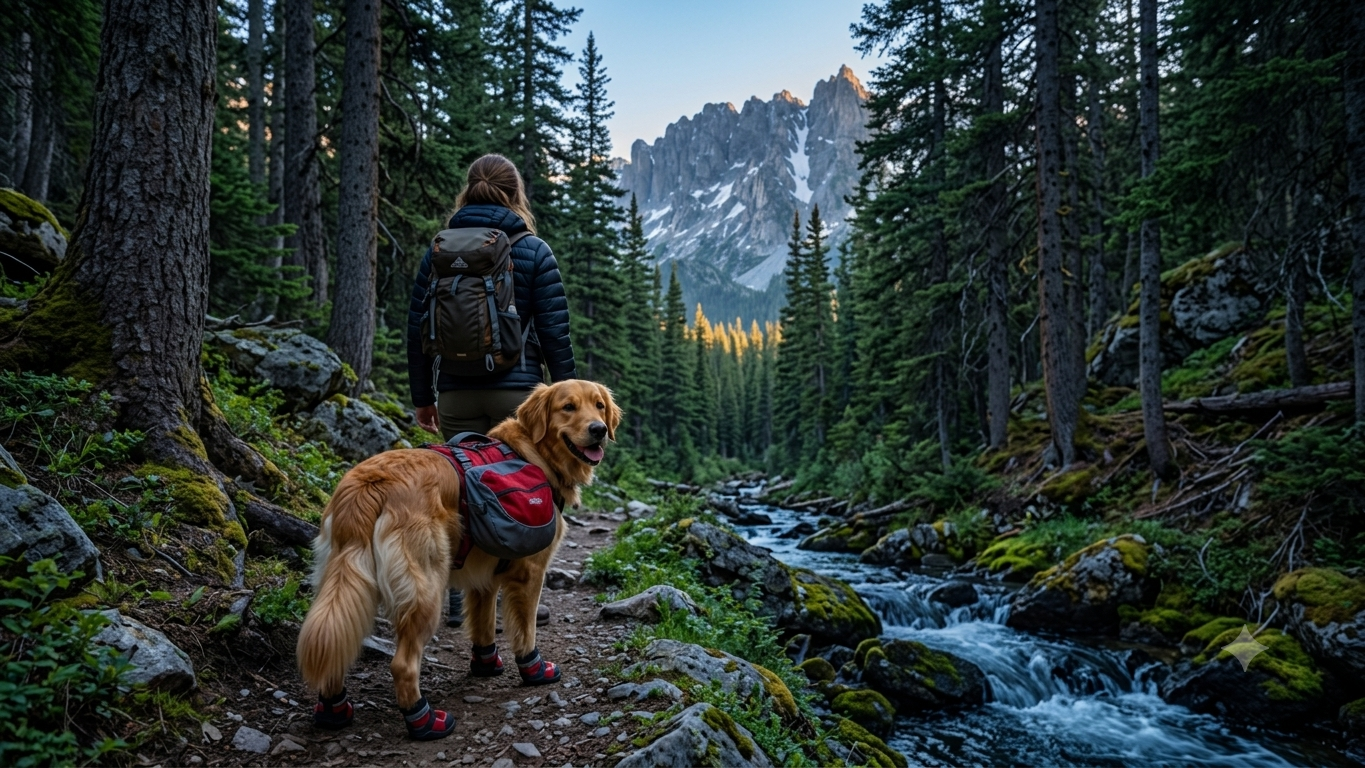
Essential Dog Hiking Safety Guide (2026): Gear, First Aid & Trail Tips
Meta Description: Master the essentials of dog hiking safety with expert advice on canine first aid kits, altitude sickness prevention, emergency evacuation, and proper trail etiquette.
Ultimate Guide to Dog Hiking Safety: First Aid, Gear & Trail Protocols (2026)
Taking your four-legged companion into the wilderness for an alpine trek is one of the most rewarding adventures an outdoor enthusiast can experience. However, stepping onto rugged mountain trails introduces unpredictable hazards that require a strong focus on dog hiking safety right from the start. From jagged granite rocks and steep drops to high altitudes and sudden shifts in weather, proper preparation makes all the difference between a memorable trip and a dangerous emergency. Focusing on proactive dog hiking safety ensures that every mile hiked is both secure and enjoyable for your furry companion.
Before tying your boots and hitting the trailhead, establishing a complete trail preparation routine should be your top priority. Whether you are tackling a quick three-mile loop or heading out on a multi-day backcountry excursion, mastering gear prep, packing a dedicated medical kit, understanding elevation challenges, and practicing proper etiquette will keep your dog happy and healthy on every journey. This comprehensive manual covers every angle of backcountry readiness so you can hike with confidence in any environment.
🛠️ Essential Gear for Your Dog Hiking Safety First Aid Kit
Embarking on a remote wilderness excursion with your canine companion demands meticulous medical preparedness, as standard human first aid supplies are fundamentally inadequate for treating animal injuries.
When evaluating the core pillars of dog hiking safety, assembling a specialized canine medical kit stands out as an absolute non-negotiable priority before stepping onto any rugged trail. Human bandages fail to adhere to animal fur, and over-the-counter pain medications like ibuprofen are highly toxic to dogs, meaning every single item in your pack must be tailored specifically to canine physiology.
By incorporating self-adhering vet wrap, sterile non-stick gauze pads, styptic powder for torn nails, and blunt-nose medical scissors into your daily pack layout, you establish an indispensable line of defense against lacerations, paw pad abrasions, and wildlife stings. Mastering the tactical deployment of these specialized tools empowers you to stabilize minor emergencies immediately, preventing localized trauma from escalating into severe backcountry crises while hours away from professional veterinary care.
A fundamental pillar of backcountry protection is carrying a specialized canine first aid kit. Human medical pouches are often insufficient because standard adhesive bandages fail to stick to fur, and human pain medications like ibuprofen or acetaminophen are extremely toxic to canines. Tailoring your medical supplies specifically to canine anatomy is a non-negotiable step for dog hiking safety in remote wilderness travel where professional veterinary care is hours away.
Every dedicated dog hiker should pack the following essentials to maintain complete protection on the trail:
| Medical Supply Item | Role in Trail Medical Care |
|---|---|
| Self-Adhering Vet Wrap | Secures dressings tightly without sticking to or pulling fur. |
| Sterile Gauze Pads (4x4) | Provides direct pressure for active bleeding control on wounds. |
| Styptic Powder or Pencil | Stops quick bleeding instantly from split or torn dog nails. |
| Saline Eye & Wound Wash | Flushes dust, dirt, sap, and trail debris out of eyes and paws safely. |
| Tick Removal Tool / Key | Extracts ticks completely from the skin without leaving mouthparts behind. |
| Blunt-Nose Medical Scissors | Cuts bandage materials cleanly without risking accidental skin punctures. |
| Fine-Tip Plastic Tweezers | Removes thorns, splinters, burrs, and bee stingers from delicate paw pads. |
| Dog-Safe Antiseptic Wipes | Cleans trail grime and bacteria from scrapes before dressing injuries. |
| Protective Dog Booties | Shields injured or bandaged paw pads during trail evacuation. |
| Canine Thermal Space Blanket | Retains body heat to fight off hypothermia or shock after an accident. |
1. Treating Paw Injuries for Dog Hiking Safety
Protecting delicate paw pads is a core element of dog hiking safety on rough terrain. Sharp shale, hot gravel, and freezing ice can easily tear pad tissue. If your dog begins limping, stop immediately in a safe location to assess the paw. Flush out any dirt using saline wash, apply a sterile gauze pad over any cuts, and wrap the area smoothly with Vet Wrap. Slipping a protective bootie over the dressing secures the bandage and reinforces paw care as you navigate back toward the trailhead.
2. Managing Cut Tails and Ear Wounds for Dog Hiking Safety
Ear flaps and tails are highly vascular areas that bleed profusely when scratched by sharp brush or thorny thickets. For effective dog hiking safety, managing head and tail wounds requires calm, systematic action. Apply steady, direct pressure with sterile gauze pads for at least three to five minutes. For ear injuries, fold the ear flat against the top of the dog's head and wrap Vet Wrap loosely around the head and under the chin to prevent the dog from shaking their head and reopening the wound.
3. Treating Insect Stings and Snake Bites for Dog Hiking Safety
Encountering ground wasps, bees, or venomous snakes presents sudden threats to dog hiking safety. If a bee stings your pet, use plastic tweezers to scrape the stinger away rather than squeezing it. For snake bites, keep your dog as calm and motionless as possible to slow venom circulation. Do not attempt to cut the wound or suck out venom. Immediately carry or walk your pet slowly to your vehicle, as rapid transportation to an emergency veterinary clinic is vital.

⛰️ Managing High Altitude Risks for Dog Hiking Safety
Ascending into high-elevation alpine environments introduces profound physiological challenges that every responsible pet handler must anticipate to maintain optimal dog hiking safety.
As atmospheric pressure decreases and oxygen levels drop past 6,000 feet, canine bodies undergo severe respiratory and cardiovascular strain that can precipitate rapid altitude sickness, severe dehydration, or sudden heat exhaustion if left unchecked. Because dogs possess an instinctive drive to please their owners and will frequently mask physical exhaustion until collapse occurs, proactive monitoring of their breathing rate, hydration frequency, and muscle posture becomes an essential trail duty.
Furthermore, unpredictable mountain weather can shift from intense solar radiation to freezing sub-zero squalls within a single hour, testing both animal endurance and human preparedness. By mastering high-altitude acclimatization protocols, packing adequate filtered hydration supplies, and recognizing the subtle warning signs of environmental stress, you establish a resilient protective shield around your pet that guarantees a safe, rewarding journey across towering mountain passes.
Ascending into high mountain environments brings beautiful views, but elevation gains require extra attention to physical acclimatization. Thinner air and lower oxygen levels past 6,000 feet affect dogs just as severely as humans. Because dogs instinctively push through fatigue to stay beside their owners, monitoring their stamina is vital for overall dog hiking safety.
Recognizing Altitude Sickness Symptoms for Dog Hiking Safety
To prevent severe elevation distress, watch closely for early warning signs on steep ascents to maintain proper dog hiking safety. Early symptoms include excessive panting on flat ground, dry coughing, and lagging behind your pace. If symptoms progress to pale or bluish gums, unsteadiness, confusion, or vomiting, immediate action is required. Turning around and descending 1,000 to 2,000 feet is the fastest, most effective way to restore your dog's strength and stability.
4. Hydration Strategies Essential for Dog Hiking Safety
Dry high-altitude air accelerates dehydration rapidly. A critical rule of dog hiking safety is providing clean, filtered water every 30 to 45 minutes. Never rely on wild mountain streams without filtering, as waterborne parasites can disrupt your pet's stomach during multi-day trips. Pack a lightweight collapsible silicone bowl and carry at least one to two ounces of water per pound of body weight per day.
5. Preventing Heatstroke and Overheating for Dog Hiking Safety
Extreme temperature exposure on open, sunlit mountain ridges poses severe risks to long-distance hikers. Heatstroke can develop within minutes in thick-coated breeds carrying heavy packs. Watch for dark red or purple gums, thick excessive drooling, glazed eyes, and severe panting. If overheating occurs, pause immediately in full shade, douse their underbelly, groin, and paw pads with cool water, and fan them steadily.
6. Preventing Hypothermia and Cold Exposure for Dog Hiking Safety
Conversely, high mountain weather can shift from intense sunshine to freezing rain within an hour. Cold winds and wet fur dramatically impair core body temperature and compromise dog hiking safety. Shivering, muscle stiffness, and lethargy are clear indicators of early hypothermia. Immediately dry your dog with a microfiber towel, dress them in an insulated dog jacket, and wrap them in a thermal space blanket inside your shelter.
🚨 Emergency Evacuation Planning for Dog Hiking Safety
Preparing for the absolute worst-case scenario is a fundamental hallmark of expert wilderness navigation and long-term dog hiking safety when venturing deep into backcountry terrain. Should your canine companion suffer a debilitating joint sprain, deep laceration, or venomous snake bite miles away from the nearest trailhead, attempting to carry a seventy-pound animal in your arms without specialized equipment is physically impossible and dangerous.
Integrating a compact, lightweight emergency rescue sling or full-body evacuation harness into your backpack gear inventory ensures you are fully prepared to transport an incapacitated pet across technical boulder fields and steep descents. These purpose-built carriers distribute your dog's weight evenly across your hips and shoulders, maintaining your own structural stability and keeping your hands free for trekking poles.
By conducting dry-run practice fittings at home before hitting the trail, you eliminate panic during real emergencies, solidifying an airtight evacuation plan that protects both human and canine lives in the wilderness.
No backcountry checklist is complete without a physical evacuation strategy. If a 70-pound dog suffers a severe leg injury or snakebite miles deep in the backcountry, carrying them out in your arms without specialized gear can compromise both human and dog hiking safety.
Choosing Gear to Enhance Dog Hiking Safety
Carrying a compact emergency rescue sling or harness in your backpack is essential for long-distance dog hiking safety. A proper rescue harness distributes your pet's weight evenly across your shoulders and hips, allowing you to keep your hands free for trekking poles while preserving balance across unstable scree slopes.
| Rescue Carrier Type | Ideal Dog Weight Range | Key Advantage on Technical Trails |
|---|---|---|
| Full Body Rescue Sling | Medium to Large Dogs (35 lbs - 110 lbs) | Distributes weight evenly across human hips and shoulders. |
| Lightweight Tarp Stretcher | All Sizes (Requires 2 Hikers) | Allows two people to split carrying weight over long distances. |
| Backpack Style Pet Carrier | Small Dogs (Under 25 lbs) | Provides hands-free stability on steep or narrow switchbacks. |
7. Practicing Trail Rescue Fits for Dog Hiking Safety
Testing your gear at home beforehand enhances real-world performance and elevates dog hiking safety. Secure your dog into the rescue harness in your living room, reward them with treats, and carry them for a few minutes. Familiarity with your rescue harness eliminates confusion during real trail emergencies and strengthens emergency readiness.
8. Wilderness Communication Tools for Dog Hiking Safety
Cellular service frequently fails in mountain valleys and deep wilderness canyons. Incorporating satellite messengers or personal locator beacons into your plan elevates dog hiking safety to modern standards. Devices that allow two-way text communication enable you to contact search and rescue or veterinary specialists from remote trail locations.
🌲 Trail Etiquette and Wildlife Rules for Dog Hiking Safety
Maintaining exemplary trail manners and practicing strict wildlife awareness represents a vital cornerstone of outdoor stewardship and holistic dog hiking safety across public lands. Uncontrolled pets can easily disrupt delicate subalpine ecosystems, chase nesting wildlife, or provoke defensive responses from apex predators such as black bears, mountain lions, and moose.
Adhering strictly to non-retractable six-foot leash rules and mastering trail yielding techniques prevents chaotic confrontations with uphill hikers, trail runners, and horseback riders. Furthermore, practicing leave-no-trace principles by packing out all canine waste protects alpine watersheds from harmful fecal bacteria.
By combining rigorous leash control with deep ecological respect, you foster a harmonious, safe, and welcoming trail culture that ensures public wilderness corridors remain open, clean, and accessible for future generations of pet owners.
Practicing good trail manners and managing wildlife interactions directly impacts outdoor survival and general dog hiking safety. Surprising a bear, moose, or porcupine on a narrow singletrack trail can lead to dangerous situations if your pet is uncontrolled.
9. Maintaining Strict Leash Control for Dog Hiking Safety
Always keep your dog on a non-retractable 6-foot leash anchored to your waist pack. Strict leash control prevents sudden wildlife chases, keeps your pet away from venomous snakes hidden in brush, and ensures continuous dog hiking safety on steep cliff edges or slippery stream crossings.
10. Master Yielding Techniques for Dog Hiking Safety
When encountering uphill hikers, trail runners, or horse riders, step to the downhill side of the trail. Keep your dog in a calm sit-stay position until others pass safely. Consistent yielding prevents startled reactions, supports overall dog hiking safety, and builds positive community relationships among outdoor enthusiasts.
11. Environmental Stewardship for Dog Hiking Safety
Always bag dog waste and pack it out using sealed, smell-proof containers. Preventing fecal bacteria from entering alpine watersheds protects delicate wild habitats, keeps local wildlife healthy, and supports long-term environmental protection guidelines across public lands.

🎒 Backpack Selection and Load Balance for Dog Hiking Safety
Equipping your canine athlete with a fitted saddlebag pack is an exceptional way to encourage participation on long treks, but managing pack weight is critical for long-term dog hiking safety. Overloading a dog's backpack places unnatural compressive stress on their spinal vertebrae, accelerates joint fatigue, and shifts their center of gravity dangerously on narrow, rocky ledges.
Maintaining strict adherence to professional load standards—ensuring total pack weight never exceeds 10% to 15% of your dog's body weight—protects skeletal integrity and prevents painful muscular strains. Additionally, selecting ergonomic, Y-shaped padded harnesses preserves natural shoulder movement and stride mechanics during steep alpine ascents.
By balancing saddlebags evenly across both side pockets and prioritizing anatomical comfort, you provide your dog with a safe, sustainable carrying system that enhances endurance while safeguarding their physical health across multi-day backcountry excursions.
Equipping your pet with proper gear improves their comfort and advances overall endurance. However, overpacking a dog's saddlebag can cause spinal strain, joint fatigue, and balance issues on technical terrain.
12. Balancing Saddlebags Correctly for Dog Hiking Safety
If your dog wears a backpack, ensure that total pack weight does not exceed 10% to 15% of their total body weight. Distribute weight equally between both side pockets to prevent the pack from shifting or rubbing against their ribs. Properly fitted and balanced gear protects joint integrity and maintains dog hiking safety on multi-day treks.
13. Choosing Ergonomic Padded Harnesses for Dog Hiking Safety
Select Y-shaped padded harnesses that allow full range of motion in the shoulders. Avoid restrictive harnesses that press across the chest horizontally, as they restrict natural stride mechanics and compromise overall dog hiking safety during steep alpine ascents.

❓ Frequently Asked Questions About Dog Hiking Safety
What is the most important item for dog hiking safety?
While gear requirements can vary depending on terrain, length of trip, and climate, a well-stocked canine first aid kit paired with a reliable emergency evacuation sling forms the absolute foundation of dog hiking safety in remote wilderness areas. Having medical supplies specifically engineered for canine injuries—such as self-adhering vet wrap, sterile gauze, styptic powder, and dog-safe antiseptic—allows you to stabilize lacerations, torn paw pads, or insect stings directly on the trail.
Furthermore, an emergency rescue harness ensures you can carry an injured or incapacitated pet over rough terrain without risking your own stability, making it an indispensable life-saving tool for every backcountry excursion.
How much water should I pack for my dog on a trail?
Proper hydration is a critical component of overall backcountry wellness. Under standard weather conditions and moderate physical effort, dogs generally require 0.5 to 1 ounce of fresh water per pound of body weight daily. However, when navigating steep mountain ascents, carrying loaded saddlebags, or hiking in warm, exposed environments, their hydration requirements easily double to 1.5 or 2 ounces per pound per day.
Always carry extra clean water, pack a collapsible silicone drinking bowl, and utilize portable water filtration systems or purification tablets before allowing your dog to drink from natural mountain streams to avoid parasite exposure.
Are human pain relievers safe for dog hiking safety?
No, under no circumstances should you ever administer human over-the-counter pain medications like ibuprofen, naproxen, aspirin, or acetaminophen to your dog. Human anti-inflammatory drugs are toxic to canines and can cause severe gastrointestinal ulceration, acute renal failure, or liver damage even in small dosages. If your dog suffers a soft tissue injury, joint strain, or wound while on the trail, focus on rest, cold compression, gentle elevation, and proper bandaging.
Always consult your veterinarian prior to your trip to obtain prescription, dog-safe pain relievers or anti-inflammatory treatments to include in your emergency travel medical kit.
How can I protect my dog's paws on rough and rocky paths?
Protecting paw integrity requires a combination of conditioning, topical barrier treatments, and physical gear protection. Prior to tackling long or technical trails, build up your dog's pad toughness gradually through shorter walks on varied surfaces like gravel and asphalt.
Before hitting the trailhead, apply a layer of protective paw wax (such as Musher's Secret) to create a breathable barrier against sharp rocks, hot soil, and trail friction. Most importantly, always carry a set of properly fitted, breathable dog booties in your pack.
Booties act as a vital shield on sharp granite scree, hot exposed surfaces, or icy mountain trails, preventing severe pad tears and ensuring comfortable movement.
Can puppies or senior dogs join high-elevation hikes safely?
While outdoor adventures are fantastic for dogs of all ages, young puppies and senior canines require specialized care and adjusted expectations. Puppies whose bone growth plates have not fully closed—typically before 12 to 18 months depending on the breed—should avoid strenuous, repetitive long-distance hiking, as excessive strain can lead to permanent structural or joint damage. Senior dogs with arthritis, hip dysplasia, or cardiovascular conditions require shorter distances, frequent rest breaks, and flat, soft terrain. Always tailor your route difficulty, pace, and elevation gain to your pet's specific age, physical condition, and health status.
How do I manage encounters with wild animals while hiking with my dog?
Wilderness encounters with bears, mountain lions, moose, snakes, or porcupines pose serious hazards if your pet is uncontrolled. The golden rule for wildlife protection on the trail is keeping your dog on a standard 6-foot non-retractable leash at all times. Off-leash dogs frequently startle dangerous animals and instinctively run back to their owners, bringing the defensive predator directly toward you. Maintain constant environmental awareness, carry bear spray in an easily accessible holster on your pack, avoid hiking at dawn or dusk in apex predator habitats, and train your dog to master a reliable "leave it" and "come" command under heavy distraction.
What should I do if my dog gets bitten by a snake on the trail?
A venomous snake bite is a urgent medical emergency that requires immediate, methodical action. First, keep your dog as calm and motionless as possible, as a rapid heart rate speeds up venom circulation through the bloodstream. Keep the bite site lower than heart level, flush the surface gently with clean water or saline, and remove any tight collars or harnesses in case of rapid swelling. Never attempt to cut the wound, apply a tourniquet, or suck out the venom. Immediately carry your pet—or walk them very slowly if they are too heavy—back to your vehicle and drive to the nearest emergency veterinary hospital for antivenom administration.
How do I know if my dog's backpack is too heavy?
A well-balanced dog backpack allows your pet to carry light essentials like waste bags, collapsible bowls, and small water bottles, but overpacking can lead to severe back fatigue, muscle strain, and spinal stress. As a strict safety standard, a healthy adult dog's total pack weight—including the weight of the backpack itself—should never exceed 10% to 15% of their total body weight. For example, a 60-pound dog should carry no more than 6 to 9 pounds total. Ensure the weight is evenly distributed between both side saddlebags to prevent shifting, chafing, or loss of balance on narrow singletrack trails.
📝 Final Steps to Ensure Complete Dog Hiking Safety
Bringing this extensive manual to a thoughtful and inspiring close, it becomes abundantly clear that mastering the art of dog hiking safety is an ongoing commitment to responsibility, education, and deep empathy for our canine companions.
Throughout this guide, we have explored the critical importance of packing a specialized canine first aid kit, managing high-altitude risks, planning for emergency evacuations, adhering to strict trail etiquette, and balancing saddlebag loads correctly. By integrating these expert-backed protocols into your outdoor routine, you transform ordinary hiking trips into secure, memorable, and life-changing milestones shared with your best friend.
Wilderness exploration inherently carries unpredictable elements, but meticulous preparation, elite gear selection, and unyielding situational awareness serve as your greatest armor against danger. Respect nature, listen closely to your dog's subtle physical cues, and embrace every magnificent mile of the trail with total confidence and peace of mind!
Prioritizing comprehensive preparation, proper gear selection, and environmental awareness ensures that every outdoor excursion ends with happy memories instead of avoidable injuries. By packing a specialized canine medical kit, preparing for high elevation risks, carrying an emergency rescue harness, and respecting wildlife guidelines, you create a secure, stress-free environment for every trail adventure you embark upon with your four-legged companion.
To see how our recommended trail gear performs in real backcountry conditions, read our detailed dog camping trip report. For official regulations, leash requirements, and protected wilderness guidelines, visit the official National Park Service pet safety portal before planning your next trek.
Investing time in pre-trip physical conditioning, pet-safe trail training, and emergency planning pays invaluable dividends when navigating remote wilderness environments.
Equipping yourself with the knowledge to handle sudden weather changes, terrain hazards, and medical emergencies empowers you to be a responsible, proactive pet parent. Stay prepared, respect nature, and enjoy countless unforgettable adventures with your favorite trail buddy!
Equip Your Dog for Ultimate Trail Safety Today
Don't let inadequate gear or lack of medical supplies compromise your next wilderness trek. Upgrade your packing checklist with professional canine safety equipment!
Hit the Road, Camp with Paws! Your definitive resource for vehicle overlanding, canine health protocols, and outdoor gear reviews. Discover more expert guides at CarCampingPaws.com.
One Comment
Comments are closed.