
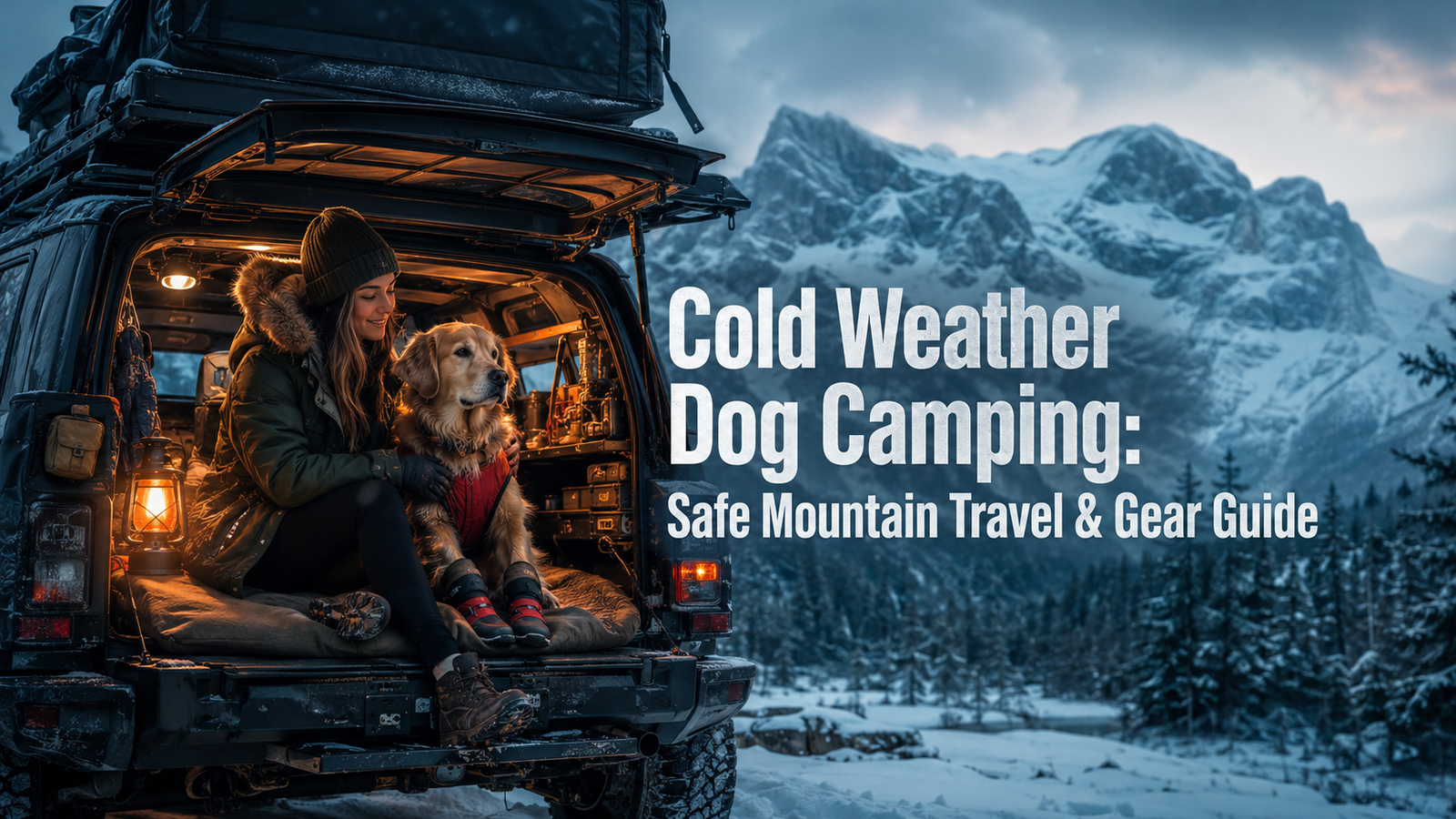
Keeping Your Dog Safe and Warm During Cold Weather Dog Camping
Meta Description: Master cold weather dog camping with our ultimate mountain travel and gear guide. Learn to spot dog hypothermia symptoms, insulate your 4x4 rig, and keep your pet warm.
Taking your four-legged companion into high-altitude mountain terrain during sub-zero temperatures represents one of the most thrilling outdoor adventures imaginable, yet successfully navigating cold weather dog camping requires an uncompromising commitment to technical gear, thermal safety, and meticulous preparation. When you leave behind temperate valleys and venture into snow-bound wilderness, winter excursions shift from a relaxed leisure activity to a serious expedition where thermal regulation determines the well-being of your pet. Many outdoor enthusiasts underestimate how rapidly mountain weather shifts, making a comprehensive understanding of alpine safety essential for every owner planning winter mountain trips. Preparing for freezing conditions involves analyzing every environmental factor, including elevation gain, ambient humidity, and wind chill, to ensure your canine companion remains thoroughly protected.
Experiencing nature during icy wilderness trips builds an incredible bond, but winter camping with dogs demands continuous vigilance and specialized knowledge regarding canine physiology. Without proper insulation, extreme mountain exposure can quickly subject your pet to dangerous hazards such as frostbite, paw pad damage, and severe core heat loss. Throughout every phase of your journey, maintaining your dog's natural body heat must remain your single highest priority. Modern outdoor gear designed for low-temperature environments allows adventure seekers to explore rugged alpine trails comfortably while mitigating the inherent dangers of sub-zero nights. By mastering specialized wilderness techniques, you provide your pet with a warm, secure, and invigorating backcountry experience.
Understanding the unique physical demands of winter travel is essential for preventing emergency situations far from medical care. Unlike human hikers who can easily layer heavy down jackets, dogs rely heavily on their fur coat and metabolic furnace. However, even double-coated mountain breeds can become vulnerable when wind chill drops temperatures well below freezing levels. Executing a successful trip requires specialized equipment, ensuring that thermal barriers protect your pet from conductive ground chill during frozen nights.
Planning ahead for high-altitude adventures involves configuring your vehicle, selecting appropriate trail gear, and establishing an emergency warming strategy. Every step taken on icy trails must focus on preserving your pet's core metabolic heat while preventing exposure to dampness and cold drafts. As mountain overland trips gain popularity among enthusiasts, adopting professional safety standards ensures your pet remains completely safe during every journey.
Mastering Cold Weather Dog Camping and Preventing Dog Hypothermia Symptoms
A foundational aspect of winter outdoor safety involves recognizing early warning signs of thermal distress and identifying dog hypothermia symptoms long before they reach life-threatening levels. High-altitude winds and damp snowfall dramatically accelerate body heat depletion, causing a rapid decline in core temperature. Understanding dog hypothermia symptoms allows owners to intervene immediately with warming protocols before irreversible tissue damage occurs. Every pet parent on the trail must closely monitor their companion's physical behavior, paying close attention to subtle shifts in energy, posture, and shivering response.
Mild dog hypothermia symptoms often begin with persistent shivering, lethargy, cold ear tips, and a noticeable reluctance to walk on icy terrain. As core body heat drops lower, dog hypothermia symptoms progress to severe muscle stiffness, pale or bluish gums, shallow breathing, dilated pupils, and deep mental confusion. Practicing safe trail habits means reacting instantly at the first sign of distress by wrapping your pet in emergency insulation, offering warm liquids, and transferring them to a heated vehicle cabin or shelter. Ignoring early dog hypothermia symptoms can quickly lead to systemic organ failure and emergency evacuations from remote locations.
In addition to watching for general thermal issues, winter travel demands constant inspection of extremities for frostbite damage. Ear tips, tail ends, and sensitive paw pads are particularly vulnerable to freezing temperatures. Ice buildup between paw pads creates microscopic cuts that expose bare tissue to frozen surfaces, compounding the risk of severe dog hypothermia symptoms. Proper preparation mandates applying protective paw wax and heavy-duty winter booties before stepping onto frozen trails, ensuring your pet remains completely insulated from conductive cold.
Educating yourself on physiological warning signs provides peace of mind while enjoying backcountry trails. Maintaining constant physical contact during rest stops helps you gauge skin temperature and detect early dog hypothermia symptoms before they progress. True mastery of winter excursions comes from proactively anticipating thermal drops rather than reacting after your pet becomes chilled. Incorporating regular warming breaks into your itinerary keeps your dog's circulation active and prevents dangerous core temperature drops.
Monitoring breathing patterns provides another crucial diagnostic window for catching dog hypothermia symptoms early. Rapid shallow breathing combined with shivering is a clear signal that your dog's metabolic engine is struggling. By keeping thermal blankets accessible in your pack, you can instantly neutralize mild dog hypothermia symptoms and keep your pet safe.
Selecting Essential Gear for Winter Camping with Dogs and Freezing Night Pet Comfort
Achieving total safety during cold weather dog camping requires investing in top-tier technical equipment specifically engineered for winter camping with dogs. Generic blankets and thin coats are entirely inadequate when night temperatures plummet well below freezing in high mountain camps. Every serious practitioner of alpine travel knows that high-performance thermal insulation is the single most critical investment for protecting a freezing night pet. Equipping your rig or tent with dedicated gear guarantees that sub-zero winds and damp snow cannot compromise your pet's metabolic warmth.
When setting up camp for a freezing night pet, blocking conductive ground chill is vital. Ground surface ice rapidly draws heat out of a resting animal, making a high-R-value insulating pad non-negotiable for winter camping with dogs. For the ultimate freezing night pet defense, we strongly recommend outfitting your setup with high-grade thermal equipment. This specialized insulation solution features a multi-layer reflective barrier, waterproof ripstop nylon shell, and high-density foam core engineered to keep a freezing night pet warm in sub-zero alpine environments. You can also explore our full mountain overland setups directly on CarCampingPaws.com.

Combining a premium insulated bed with a specialized thermal sleeping bag creates an impenetrable microclimate for your freezing night pet. During winter camping with dogs, synthetic insulation sleeping bags perform significantly better than down options because synthetic fibers retain loft and warmth even when exposed to damp paws or condensation. Equipping your setup with high-grade gear for winter camping with dogs transforms a potentially hazardous freezing night pet situation into a cozy, restorative sleep experience, allowing your dog to wake up refreshed for the next day's hike.
Investing in purpose-built gear for winter camping with dogs ensures long-term durability and uncompromised protection. Quality jackets with windproof outer membranes and fleece linings provide essential daytime protection, while a dedicated sleeping system safeguards your freezing night pet when temperatures drop after dark. Choosing high-performance gear engineered for winter camping with dogs eliminates guesswork and provides your freezing night pet with absolute thermal security in unpredictable mountain weather.
Creating a dedicated sleeping corner within your vehicle cargo area or expedition tent provides your freezing night pet with a sense of security and maximum thermal efficiency. Elevating the sleeping platform off direct metal or frozen ground stops convective drafts from circulating around your pet. This specialized attention to detail during winter camping with dogs protects your freezing night pet throughout the coldest hours.
Optimizing Caloric Intake and Nutrition During Alpine Excursions
A critical yet frequently overlooked component of winter pet safety is managing elevated caloric requirements during sub-zero mountain trips. Dogs burn an enormous amount of metabolic energy simply maintaining internal core warmth, especially when traversing snowdrifts or resting in chilly environments. To support your companion, you must increase daily food intake substantially above normal baseline levels. Proper nutrition fuels their internal furnace, providing the steady heat generation needed to prevent thermal distress during freezing nights.
Feeding your pet high-fat, high-protein kibble and energy-dense performance supplements fuels long-term stamina and body heat regulation. Experienced adventurers increase food rations by twenty-five to forty percent depending on trail difficulty and ambient temperature severity. Elevating nutrient density ensures your pet has abundant energy reserves to keep their core warm, protecting them against sudden temperature drops. Feeding a warm, nutrient-rich meal right before bedtime boosts metabolic heat production throughout the night.
Proper hydration is equally vital, as cold air rapidly dehydrates animals through respiration. A common pitfall is allowing pets to eat snow instead of drinking clean water, which dramatically lowers core body temperature and increases risk. Always carry insulated water flasks or heat water before offering it to your dog. Maintaining optimal hydration levels supports healthy circulation, allowing warm blood to flow efficiently to extremities and protecting against frostbite.
By carefully structuring dietary plans, you ensure your pet thrives even in harsh winter conditions. Balancing high-calorie food intake with warm hydration transforms challenging winter trips into an enjoyable, high-energy mountain adventure. Prioritizing nutrition safeguards your pet from metabolic depletion, keeping them energetic, healthy, and completely resilient.
Adding warm broth or warm water to dry food encourages hydration while making meals more appetizing after exhausting snow hikes. This technique ensures your companion receives essential fluids and calories simultaneously, boosting recovery before bedtime.
Configuring Your 4x4 Rig and Shelter for Ultimate Mountain Safety
Configuring your 4x4 vehicle or mountain tent creates a safe, climate-controlled sanctuary when outdoor conditions become severe. Uninsulated vehicle floors and cold tent floors act as massive thermal sinks, draining vital warmth from resting animals within hours. Master creators of overland setups utilize multi-layer flooring systems, magnetic insulation panels, and controlled ventilation to convert cargo areas into secure shelters. Preparing your vehicle ensures your dog stays completely shielded from alpine winds and sub-zero night air.
A key step in preparing your vehicle involves installing rubberized interlocking mats overlaid with thick carpeting or heavy-duty foam pads. This barrier blocks thermal transfer from icy metal chassis surfaces, creating a warm foundation for your pet. When traveling in an overland rig, combining thermal window covers with battery-operated air circulators prevents condensation buildup while keeping heat trapped inside the cabin. Check out additional outdoor safety protocols and guidelines at American Veterinary Medical Association Cold Weather Pet Safety Guide for expert advice on cold protection.
Thoroughly drying your pet before entering the sleeping space is an essential rule. Wet fur loses its natural insulating ability entirely, exposing your dog to rapid heat loss and hypothermia inside the shelter. Keeping dedicated microfiber towels and moisture-absorbing robes in your vehicle drawer allows you to dry wet paws and undercoats completely before bedtime. Maintaining a completely dry sleeping zone guarantees maximum thermal efficiency.
Designing a dedicated pet zone within your rig elevates comfort and safety. Securing your dog's bed with heavy-duty tie-down straps prevents sliding during off-road travel while ensuring their sleeping bag remains positioned away from cold vehicle draft zones. A well-engineered 4x4 vehicle setup transforms overland travel into a luxury wilderness experience, offering uncompromised security no matter how harsh mountain storms become outside.
Insulating roof sections and side panels of your overland vehicle drastically reduces ambient radiant heat loss. By systematically eliminating cold bridges, your vehicle becomes a true haven, guaranteeing a restful environment for your dog.
Step-by-Step Emergency Protocols for Cold Weather Dog Camping and Winter Safety
Developing a comprehensive emergency action plan tailored for cold weather dog camping gives you the confidence and readiness needed to handle unexpected winter hazards. Remote mountain terrain can quickly isolate campers during sudden snowstorms or vehicle breakdowns, making self-reliance mandatory during extreme trips. Every owner engaging in winter outdoor sports must pack a specialized pet emergency kit containing thermal mylar blankets, chemical warming packs, vet-wrap bandages, antiseptic ointment, and emergency bootie replacements. Knowing exactly how to deploy emergency gear can save your pet's life during severe weather events.
If your pet begins exhibiting severe signs of cold distress, immediately execute emergency warming protocols. Move your dog inside an insulated shelter or running vehicle cabin with warm air circulation during emergency situations. Wrap their core body in dry, warm blankets, placing wrapped warm water bottles against their groin and armpits where major blood vessels pass. Never apply direct intense heat or boiling water directly to frozen skin, as rapid temperature shifts cause severe tissue shock and pain for an animal suffering from cold exposure.
Maintaining clear communication and monitoring weather forecasts constantly forms the backbone of responsible trip planning. Always inform emergency contacts of your exact GPS coordinates and travel timeline before embarking on mountain journeys in high winter zones. If storms escalate beyond safe operating limits, prioritize immediate evacuation down to lower elevations. Protecting your pet's health takes precedence over continuing any backcountry itinerary.
Establishing clear emergency procedures guarantees that outdoor travel remains a safe, highly rewarding activity year after year. With proper training, emergency supplies, and a thorough understanding of warning signs, you can handle any alpine situation with calm authority. Equipping yourself with technical knowledge and high-grade gear protects your pet, ensuring every journey ends with wonderful memories and a healthy, happy companion.
Carrying a satellite communication device ensures you can call for veterinary or emergency transport even when cell service fails in remote mountain canyons. This extra layer of security safeguards your companion in worst-case scenarios.
Frequently Asked Questions About Cold Weather Dog Camping Safety
What temperature requires cold weather dog camping insulation?
Temperatures dropping below freezing require technical insulation gear, while sub-zero mountain conditions demand thermal dog sleeping bags and elevated sleeping pads for your companion.
How do I identify early dog hypothermia symptoms?
Recognizing early dog hypothermia symptoms involves watching for constant shivering, lethargy, cold ears, and pale gums during mountain trips.
How can I prevent ice buildup on paw pads?
Preventing ice buildup on paw pads requires applying protective paw wax before hiking and using heavy-duty fleece-lined winter booties.
Why is increasing caloric intake necessary in winter?
Increasing caloric intake is necessary because dogs burn significantly more energy keeping their core temperature stable in extreme weather.
Conclusion: Mastering Winter Wilderness Expeditions with Your Canine Companion
Successfully executing a winter mountain trip requires a seamless combination of specialized technical equipment, physiological vigilance, and tailored nutrition. Protecting your dog against high-altitude hazards involves insulating them from conductive ground cold, monitoring for early warning signs, and providing a warm, secure sleep setup. By investing in tested outdoor gear and preparing your 4x4 overland setup for freezing temperatures, you ensure your pet stays safe, energized, and comfortable throughout every alpine journey. Prioritizing thermal protection and metabolic health transforms backcountry travel into an extraordinary, unforgettable wilderness adventure for you and your loyal canine companion.
Upgrade Your Rig Today for Uncompromised Cold Weather Dog Camping Protection
Preparing for high-altitude winter travel requires selecting equipment that never compromises on thermal safety, quality, or structural insulation. Ensuring your pet enjoys warm, restorative sleep on frozen mountain trails depends entirely on the gear choices you make before hitting the road. As dedicated lovers of wilderness adventures, we recommend securing top-rated gear engineered specifically for extreme winter travel.
Don't risk your dog's safety with sub-standard blankets or uninsulated gear during sub-zero trips. Take immediate action to safeguard your companion and prevent dangerous thermal exposure by getting professional equipment today.
Hit the Road, Camp with Paws! Your ultimate guide for mountain overland conversions and dog hiking safety. Visit CarCampingPaws.com.