
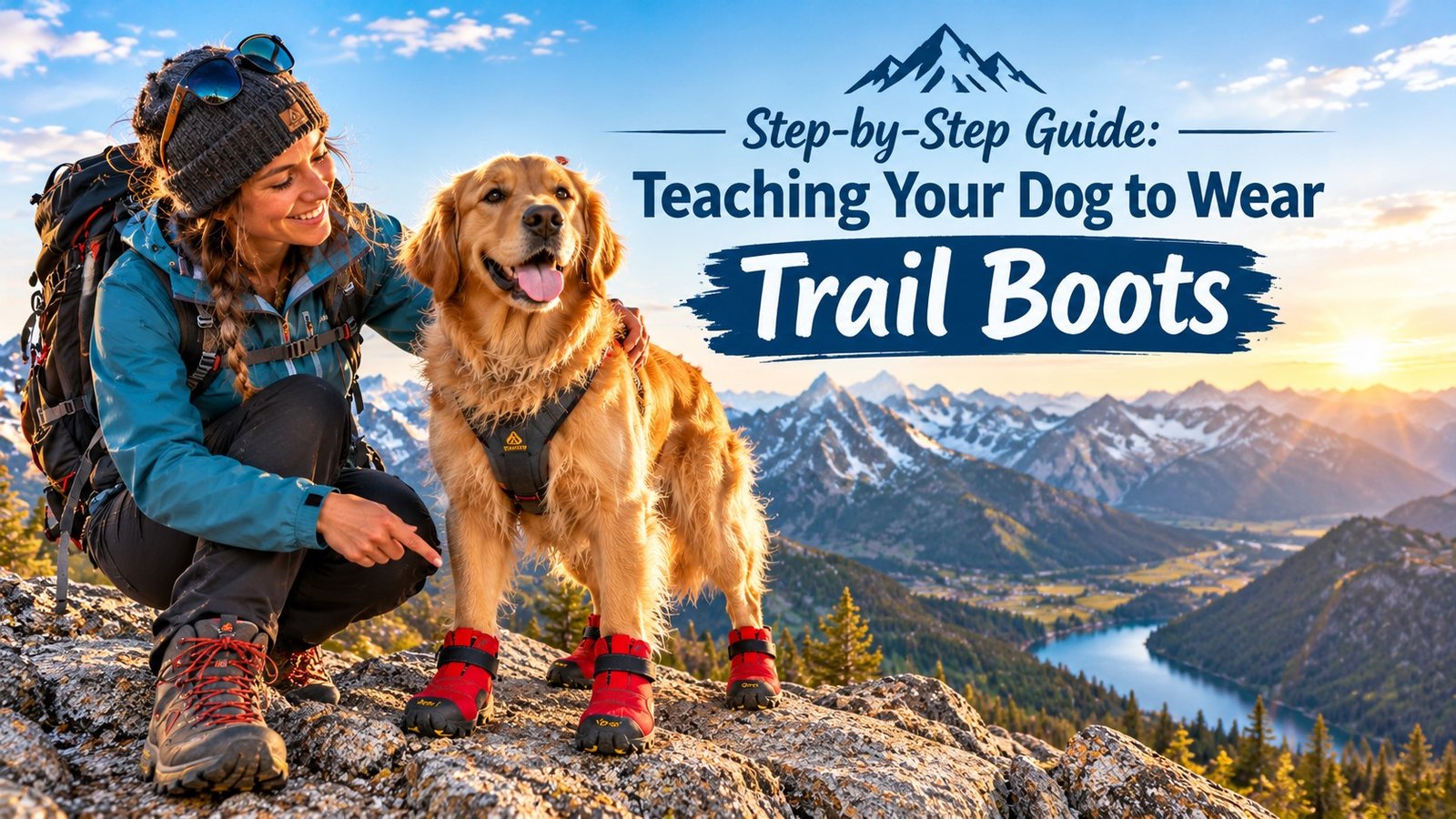
Training Dog for Dog Boots: 7 Amazing Tips
Embarking on rugged outdoor adventures with your canine companion brings unmatched joy, yet rocky mountain trails, scorching desert sands, and icy winter paths present serious hazards to delicate paw pads. Equipping your dog with protective footwear is an essential component of modern backcountry safety, but introducing new gear requires immense patience and positive reinforcement. Many owners fail simply because they force footwear onto their pets without proper preparation, leading to immediate resistance and anxiety. Mastering the art of training dog for dog boots transforms a frustrating struggle into a seamless bonding experience that ensures your furry adventurer can tackle any terrain safely and comfortably, heavily anchored in proper training dog for dog boots standards.
Understanding canine sensory perception and paw sensitivity is the foundation of successful paw protection training in any domestic environment. Dogs experience the world largely through their paws, meaning encasing them in rubber and fabric feels entirely unnatural and confusing at first glance. Throughout this comprehensive guide, we explore gradual desensitization, indoor familiarization techniques, positive reinforcement conditioning, and strategies for getting dog used to shoes without stress, heavily driven by strategic training dog for dog boots planning. By following these proven methodologies, you will ensure your dog accepts their new trail gear willingly, paving the way for limitless exploration across the great outdoors.
Step-by-Step Guide: Teaching Your Dog to Wear Trail Boots
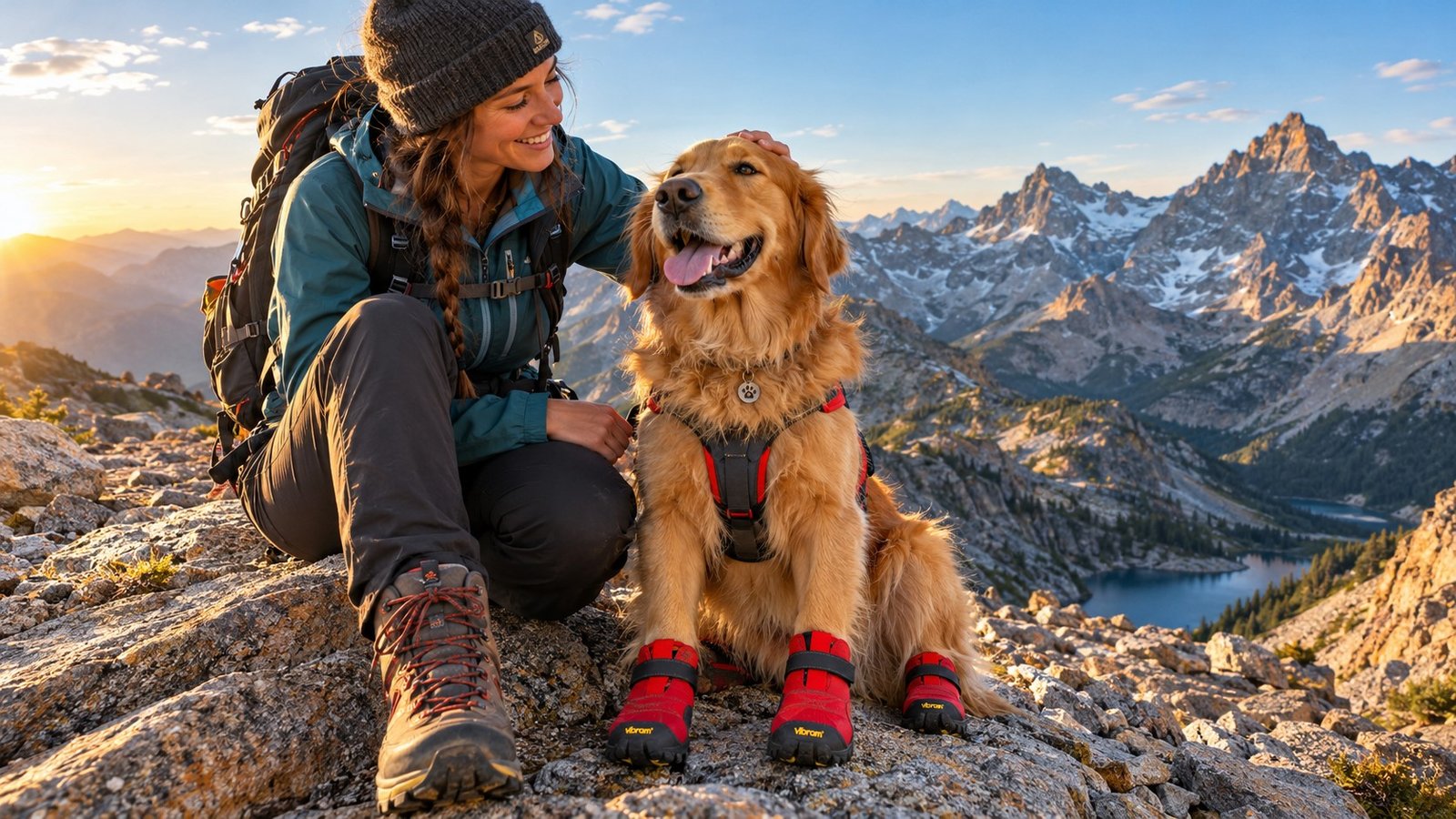
The journey toward successful paw protection begins long before you ever step foot onto a rocky trailhead or alpine pass. When you begin training dog for dog boots, your primary objective is to create positive neurological associations with the footwear through gradual exposure and high-value treats. Rushing this delicate process invariably triggers a defensive response, causing your dog to freeze, chew at the straps, or panic when their movement is restricted. Patience, consistency, and a structured desensitization schedule are your greatest allies in overcoming natural canine hesitation during early acclimatization phases supported by comprehensive training dog for dog boots measures.
Many handlers make the critical mistake of slipping boots onto their dog's paws for the first time right at the trailhead while surrounded by exciting outdoor distractions. This overwhelms the animal's nervous system and associates the gear with restriction rather than fun and adventure. Instead, effective training dog for dog boots must start inside the calm, controlled environment of your living room where your dog feels completely secure. Establishing familiar indoor routines builds foundational confidence before you introduce environmental variables like uneven dirt or sharp gravel through dedicated training dog for dog boots execution.
Furthermore, selecting the correct size and ergonomic design plays a monumental role in how quickly your dog adapts to wearing protective footwear on the trail. Ill-fitting booties that pinch dewclaws or slip around during movement will cause chafing and immediate distress, undermining all your careful behavioral conditioning work. Investing in high-end gear that offers flexible rubber soles and breathable upper mesh ensures maximum comfort during extended hikes. When you combine quality equipment with patient training dog for dog boots methodologies, success is virtually guaranteed for every outdoor enthusiast.
Observing your dog's subtle body language during each short session provides invaluable feedback regarding their psychological comfort and readiness to progress to the next step. If your dog tucks their tail, exhibits whale eye, or attempts to back away from the gear, slow down and return to foundational reward-based games. Successful training dog for dog boots relies entirely on reading these micro-signals and never pushing an anxious animal past their emotional threshold. Respecting their pace builds unbreakable trust between handler and hound during every training dog for dog boots session.
In addition to behavioral pacing, keeping initial sessions extremely brief—lasting only a minute or two—prevents mental fatigue and keeps the overall experience lighthearted and fun. Associating the appearance of the booties with delicious treats, favorite toys, and enthusiastic verbal praise transforms the equipment from a scary foreign object into a predictor of good things. Consistency over successive days yields rapid progress that surprises even experienced pet owners. Your dedication during these initial indoor sessions pays massive dividends on the trail through smart training dog for dog boots planning.
Ultimately, the time and effort invested in proper training dog for dog boots will protect your dog from torn pads, thermal burns, and sharp debris for years to come. Watching your confident companion stride effortlessly across jagged granite or frozen snowfields is an incredibly rewarding testament to your patient leadership. Every structured step you take indoors builds the resilience needed for epic outdoor expeditions. Embrace the process, celebrate small victories, and watch your dog conquer the wilderness in total comfort backed by expert training dog for dog boots knowledge.
🏠 Indoor Acclimatization and Booties Training Indoor Fundamentals
Creating a stress-free learning environment inside your home is the absolute cornerstone of effective paw protection education for all canine breeds and ages. When you focus on booties training indoor sessions, you remove external environmental distractions, allowing your dog to concentrate entirely on the tactile sensation of the footwear. This controlled setting enables you to control variables such as flooring surface, temperature, and duration while you lay the groundwork for outdoor success. Mastering indoor acclimatization is a vital precursor to successful training dog for dog boots in challenging outdoor settings, perfectly complementing your overall training dog for dog boots strategy.
Begin the process by simply placing the booties on the floor in front of your dog and allowing them to sniff, investigate, and lick the equipment without any pressure. Reward every instance of calm curiosity with high-value treats, transforming the boots into positive stimuli that signal delicious rewards are nearby. According to behavioral veterinary guidelines published by the American Kennel Club canine care and training portal, slow desensitization prevents fear-based avoidance behaviors. This authoritative professional insight reinforces the fundamental principles of booties training indoor protocols during your training dog for dog boots journey.
Once your dog is completely relaxed around the resting booties, gently touch the gear to their paws while delivering continuous treats to establish a positive physical association. If your dog pulls their paw away, pause immediately, reset your energy, and try again with a softer touch and higher-value rewards. This deliberate pacing is a vital element of training dog for dog boots that prevents defensive snapping or paw-shyness. Patience during this tactile phase builds the bedrock of future footwear tolerance backed by consistent training dog for dog boots practice.
Progress gradually by sliding a single bootie onto one paw for just a few seconds before removing it and offering a jackpot reward and enthusiastic praise. Repeat this gentle action across all four paws over several short daily sessions until your dog wears a single bootie with absolute indifference. Integrating this methodical approach into your booties training indoor routine ensures your dog processes the restriction as a normal, harmless event during every training dog for dog boots milestone. Consistency transforms unfamiliar friction into comfortable familiarity.
Furthermore, practicing on various indoor flooring surfaces—such as smooth hardwood, textured tile, and plush carpeting—helps your dog adapt to changing traction while wearing their new gear. Hardwood floors can be particularly slippery for dogs wearing brand-new booties, so starting on carpeted areas prevents awkward slips that might frighten an unconfident animal. Thoughtful surface selection during training dog for dog boots guarantees steady physical and emotional progress. Every detail matters when shaping a confident trail dog through careful training dog for dog boots execution.
Ultimately, thorough indoor preparation removes the anxiety and confusion that often accompany the introduction of novel canine gear during outdoor excursions. When you execute structured booties training indoor sessions with unwavering consistency, you build a resilient foundation that withstands rugged trail conditions. Your dog learns that wearing footwear is simply part of their exciting adventure routine rather than a punishment. Dedicate time to indoor basics, and your outdoor journeys will be remarkably smooth thanks to dedicated training dog for dog boots habits.

🚶♀️ Getting Dog Used to Shoes Through Positive Reinforcement
The psychological transition from accepting a single bootie on a stationary paw to walking normally with all four shoes attached requires skillful positive reinforcement techniques. When you focus on getting dog used to shoes during active movement, your goal is to distract their analytical mind from the funny feeling on their feet. Rewarding forward motion with treats and games encourages your dog to forget about the footwear and focus entirely on engaging with you. This dynamic phase of training dog for dog boots bridges the gap between static acceptance and fluid trail mobility during all training dog for dog boots sessions.
As soon as all four booties are securely fastened, immediately engage your dog in a high-energy game of indoor fetch or lead them down the hallway with irresistible treats. Movement is the ultimate distraction; dogs that freeze and refuse to walk when first booted up will almost always start moving when enticed by a favorite squeaky toy. This active strategy is the secret weapon of professional trainers getting dog used to shoes without resorting to force or coercion during training dog for dog boots preparation. Momentum cures initial stiffness and awkward high-stepping.
Keep these initial walking sessions exceptionally short, capping them at two to three minutes before removing the boots and offering a massive celebration and special snack. Gradually extend the duration of wear over successive days as your dog's gait normalizes and the comical high-stepping prance gives way to a smooth stride. Incorporating these progressive milestones into your daily training dog for dog boots regimen prevents physical fatigue and muscle soreness. Quality of movement always trumps sheer duration during early conditioning phases supported by proper training dog for dog boots oversight.
Furthermore, paying close attention to strap tension and dewclaw placement prevents painful pinching or circulation restriction during active movement around the house. Straps should be snug enough to prevent the boot from twisting or flying off during a sprint, but loose enough to slide a finger underneath comfortably. Checking fit regularly during your getting dog used to shoes journey ensures your dog remains physically comfortable and eager to participate in ongoing training dog for dog boots routines. Proper adjustment eliminates chafing before it ever starts.
In addition to physical fit, maintaining a cheerful, upbeat vocal tone during these walking sessions reassures your dog that they are doing a fantastic job and staying safe. Dogs look directly to their owners for emotional cues; if you laugh nervously or sound anxious, your dog will mirror that stress and reject the footwear. Projecting calm confidence during training dog for dog boots fosters a secure emotional state that accelerates learning. Your positive energy is their best psychological shield during training dog for dog boots workouts.
Ultimately, mastering the transition to active movement in footwear unlocks the door to limitless outdoor adventures across punishing summer trails and icy winter landscapes. When you take the time required for getting dog used to shoes properly, you eliminate trail drama and protect your companion's paws from harm. Your patient guidance turns a challenging training hurdle into a fun, cooperative game. Enjoy the process and watch your dog stride proudly toward their next great adventure backed by solid training dog for dog boots planning.
🌲 Transitioning from Indoor Practice to Outdoor Trails
Moving your newly trained dog from the controlled comfort of your living room carpet to the unpredictable, high-stakes environment of an outdoor hiking trail is a monumental milestone. When you introduce outdoor elements during training dog for dog boots, you test the resilience of your indoor preparation against real-world distractions and varied surfaces. Starting with short, low-risk walks on smooth dirt paths or grassy park lawns allows your dog to experience traction changes without overwhelming their senses. This gradual outdoor transition solidifies all previous booties training indoor and hallway practice into permanent capability during training dog for dog boots excursions.
Choose a mild, familiar park for your dog's very first outdoor footwear expedition, avoiding abrasive shale, sharp gravel, or extreme temperatures until they prove their trail confidence. Allow your dog to set the pace, and monitor their foot placement closely to ensure the boots remain securely fastened and free of trapped debris. If you notice your dog limping or constantly shaking their legs, stop immediately to inspect the fit and clear out any stray pine needles. Proper outdoor management during training dog for dog boots ensures a positive initial trail impression and reinforces proper training dog for dog boots habits.
As your dog demonstrates comfort on gentle park paths, you can gradually graduate to more challenging terrain, such as rocky switchbacks, sandy beaches, or snow-covered mountain ridges. Each distinct surface provides unique sensory feedback that strengthens your dog's proprioception and builds all-weather paw resilience over successive weekend outings. Maintaining consistency in your getting dog used to shoes routines before every hike keeps your dog mentally prepared for whatever nature delivers through structured training dog for dog boots execution. Preparedness is the hallmark of elite outdoor overlanders.
Furthermore, always carry a dedicated backup pouch in your backpack containing spare booties, a multi-tool, and a first-aid kit in case a boot is lost or damaged miles from the trailhead. Dogs can occasionally kick off a poorly secured boot during an energetic sprint after wildlife, leaving their paws abruptly exposed to sharp rocks. Being fully equipped for gear failures during advanced training dog for dog boots excursions prevents minor inconveniences from becoming emergencies. Self-reliance keeps your mountain trips safe and enjoyable.
In addition to gear backups, remember to check your dog's paws immediately upon removing the trail boots at the end of the hike to screen for minor chafing or moisture accumulation. Sweat and friction can occasionally cause localized hot spots, requiring prompt cleaning, drying, and preventative balms to maintain healthy skin integrity. Integrating post-hike foot inspections into your broader training dog for dog boots lifestyle protects your animal partner from long-term discomfort. Diligent aftercare cements your status as a responsible pet owner.
Ultimately, successfully transitioning your dog's protective footwear from indoor practice rooms to rugged mountain trails unlocks unprecedented freedom and safety for backcountry exploration. When your dog steps confidently across jagged terrain protected by durable rubber outsoles, every hour of indoor patience is richly rewarded. You have transformed a vulnerable animal into an elite, all-weather mountain athlete through thoughtful education. Hit the trails together and embrace the boundless wilderness with absolute peace of mind through proven training dog for dog boots methodologies.
Master Canine Trail Safety and Gear Training
Don't let paw injuries or poor gear preparation cut your next backcountry adventure short! Download our comprehensive, printable Canine Outdoor Footwear and Trail Safety Guide to ensure your pack is fully optimized.
Download Free Trail Gear Checklist☀️ Protecting Paws in Extreme Summer Heat and Winter Cold
Environmental temperature extremes present some of the most immediate and dangerous threats to unprotected canine paws during seasonal outdoor excursions across various regional landscapes. When you execute thorough training dog for dog boots protocols, you prepare your dog to withstand scorching asphalt, baking desert sand, and sub-zero ice without tissue damage. High summer temperatures can easily heat trail surfaces far beyond ambient air levels, causing severe second-degree burns in mere seconds. Equipping your dog with protective gear is not merely a stylistic choice; it is a vital medical necessity for extreme weather survival during training dog for dog boots trips.
Winter brings an entirely different set of environmental challenges, including sharp crusted snow, abrasive ice crystals, and toxic chemical de-icers applied to parking lots and trailheads. Snow accumulation between canine toes forms painful ice balls that restrict circulation and force dogs to halt their progress in freezing conditions. Utilizing insulated booties during winter outings prevents ice accumulation and shields sensitive pads from frostbite and chemical irritation. Integrating cold-weather applications into your ongoing training dog for dog boots schedule ensures all-season operational readiness and reinforces proper training dog for dog boots standards.
Furthermore, material selection becomes critically important when facing extreme thermal environments, requiring breathable mesh uppers for summer heat dissipation and waterproof insulation for winter snow travel. Selecting the appropriate footwear model for the specific climate prevents overheating or excessive moisture retention that could compromise skin health during long expeditions. Matching your gear choices to seasonal demands enhances the effectiveness of your training dog for dog boots initiatives. Versatility in equipment is a cornerstone of smart overlanding backed by intelligent training dog for dog boots planning.
In addition to gear selection, teaching your dog to tolerate longer wear times in challenging weather requires careful monitoring of physical endurance and hydration status during breaks. Extreme cold or intense heat drains canine energy reserves rapidly, making frequent rest stops and fluid replenishment mandatory for maintaining stamina on the trail. Factoring environmental stress into your training dog for dog boots itineraries prevents heat exhaustion and hypothermia alike. Safety always takes precedence over distance goals during every training dog for dog boots excursion.
Regular maintenance, washing, and waterproofing of your canine footwear after exposure to mud, salt, or snow guarantees long-term durability and prevents premature material degradation over years of service. Clean gear fits better and performs reliably when you need it most in remote wilderness zones far from retail stores. Incorporating gear maintenance into your post-trip routines supports sustainable outdoor recreation habits. Excellence is reflected in how you care for your equipment during your training dog for dog boots lifecycle.
Ultimately, conquering environmental extremes with a fully booted canine companion expands your adventure calendar across all twelve months of the year without seasonal limitations. By mastering extreme weather protection through disciplined training dog for dog boots methods, you ensure your dog remains a safe, comfortable partner in any climate. The elements lose their intimidating edge when you are thoroughly prepared. Step out into the winter snow or summer desert with absolute confidence backed by expert training dog for dog boots knowledge.

🩺 Troubleshooting Common Boot Refusal and Behavioral Hurdles
Even with the most patient and structured preparation, dedicated pet owners occasionally encounter stubborn behavioral hurdles and outright boot refusal from sensitive dogs. When facing resistance during training dog for dog boots sessions, analyzing the root cause—whether it is improper fit, sensory overload, or rushing the timeline—is essential for finding solutions. Dogs communicate discomfort through avoidance, freezing, or chewing, giving you clear signals that require an immediate adjustment in your training approach. Troubleshooting these hurdles successfully separates frustrated novices from accomplished professional handlers during training dog for dog boots adventures.
If your dog immediately drops to the floor like a statue and refuses to move the moment all four booties are attached, do not drag or scold them. Instead, break the challenge down by removing three boots and practicing with just one front paw until they regain their confidence and willingness to walk. This regressive step in your training dog for dog boots strategy lowers arousal and resets their emotional baseline. Patience and de-escalation always yield faster results than stubborn persistence during any training dog for dog boots protocol.
Chewing at the footwear is another frequent frustration, as dogs naturally attempt to remove annoying foreign objects attached to their sensitive paws using their teeth. Discourage chewing immediately with a firm verbal correction or redirection toward an appropriate chew toy, followed by high-value rewards for leaving the booties alone. Maintaining strict supervision during all indoor practice sessions prevents gear destruction and reinforces polite behavior. Discipline combined with kindness solves behavioral friction rapidly during training dog for dog boots conditioning.
Furthermore, checking for hidden physical discomfort—such as overgrown dewclaws rubbing against the interior seam of the boot—can instantly resolve mysterious resistance in otherwise compliant dogs. Trimming dewclaws or applying protective self-adherent wrap around the lower leg eliminates internal friction points that cause sharp pain during movement. Thorough physical audits are a mandatory part of troubleshooting training dog for dog boots challenges. Comfort is the key to cooperation in all training dog for dog boots scenarios.
In addition to physical checks, keeping training sessions short, positive, and paired with delicious food rewards ensures your dog never associates footwear with stress or intimidation. If a session ends in frustration for either of you, pack the gear away, take a deep breath, and resume tomorrow with a fresh, relaxed mindset. Consistency and emotional control are your superpowers when navigating canine education. Tomorrow is always a new opportunity for success during ongoing training dog for dog boots development.
Ultimately, overcoming behavioral hurdles with empathy and structured science-based training strengthens your communication channels and deepens mutual trust beyond measure. When your formerly resistant dog willingly offers their paws for booting up, you reap the rewards of unwavering patience. Troubleshooting transforms challenges into triumphs that enrich your lifelong partnership. Master the art of problem-solving and enjoy the journey backed by robust training dog for dog boots expertise.
❓ Frequently Asked Questions About Dog Trail Boots
Navigating the complex world of canine footwear, sizing standards, and behavioral conditioning frequently generates thoughtful questions from dedicated pet owners planning mountain excursions. Addressing these common inquiries head-on clears up misconceptions about sizing accuracy, wearing duration limits, and acclimation timelines, ensuring you make fully informed planning decisions before hitting the trail. Reviewing expert insights helps you avoid common training mistakes and select the absolute best protection strategies for your specific travel style and dog breed. This foundational knowledge empowers you to execute your training dog for dog boots itinerary with absolute confidence.
How long should my dog wear boots during initial indoor practice sessions?
Start with extremely brief sessions lasting only one to two minutes, gradually increasing duration by a minute each day as your dog displays relaxed, normal movement during training dog for dog boots.
What is the best way to measure my dog's paws for trail boots?
Always measure your dog's paws while they are standing fully weight-bearing on a piece of paper, pressing down gently to spread the toes for accurate sizing before training dog for dog boots.
Can dogs wear trail boots all day long on multi-day backpacking trips?
No, dogs sweat through their paw pads; removing boots during rest breaks to air out their paws prevents moisture buildup and secondary fungal infections during training dog for dog boots trips.
Why does my dog lift their feet extremely high when wearing boots?
This comical high-stepping prance is a normal sensory reaction to unfamiliar weight and restricted toe spread; active indoor games quickly distract them from it throughout training dog for dog boots.
📝 Final Thoughts on Canine Paw Protection and Footwear
Reflecting on the remarkable transformation of a hesitant dog learning to embrace protective footwear brings the true value of patient animal husbandry into sharp focus. Every indoor desensitization session, every rewarding game of hallway fetch, and every cautious step on the trail culminates in a confident, fully protected canine athlete. By committing to structured training dog for dog boots methodologies, you safeguard your pet's physical health against the harshest elements the natural world has to offer. Your unwavering dedication ensures countless miles of joyful, pain-free exploration across America's breathtaking wilderness landscapes through vetted training dog for dog boots routes.
The mastery of outdoor pet safety extends far beyond purchasing premium gear, resting instead in disciplined education, empathetic observation, and deep respect for canine psychology. Whether you are traversing scorching desert hardpan or jagged alpine granite, your thorough preparation dictates the safety and success of the entire expedition. Trusting your conditioning process and prioritizing your dog's comfort eliminates trail stress and elevates your shared adventures to extraordinary heights. Your patient leadership forges an unbreakable bond forged in the wild heart of nature during your training dog for dog boots adventures.
Begin your footwear audit and indoor conditioning well in advance of your next scheduled wilderness departure to ensure your dog is fully prepared for the terrain ahead. Pack wisely, maintain strict fitting and inspection habits, and savor every single moment of freedom shared with your four-legged best friend under the open sky. The untamed backcountry is calling, and with elite paw protection secured, there is no limit to the extraordinary adventures waiting to be discovered together on training dog for dog boots. Hit the road, camp with paws, and embrace the wild journey ahead.
Hit the Road, Camp with Paws! From mastering how to stop dog barking at the campsite to discovering ultimate trail safety gear, find more personal survival stories and comprehensive guides on your next training dog for dog boots adventure at CarCampingPaws.com.