
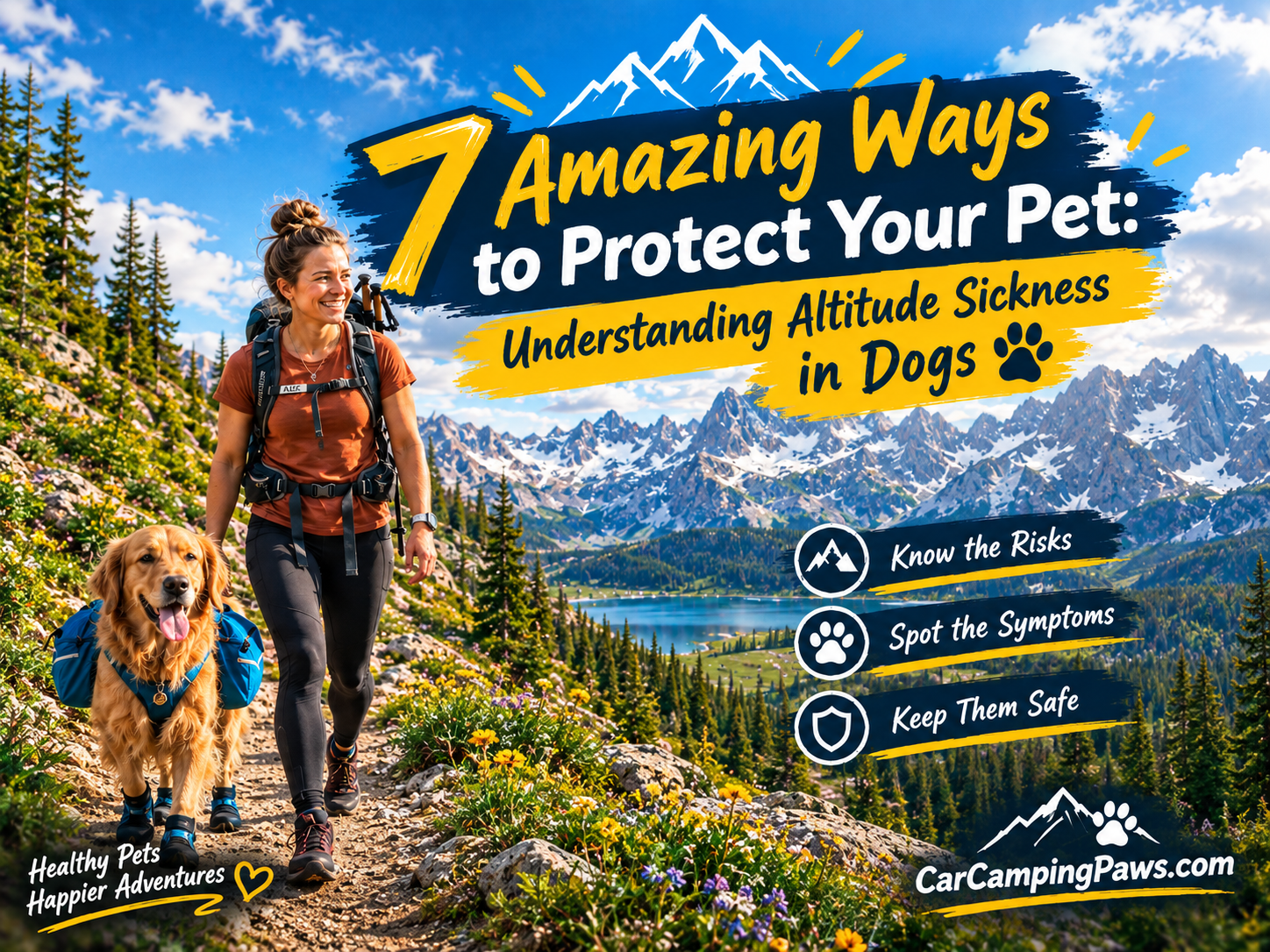
7 Amazing Ways to Protect Your Pet: Understanding Altitude Sickness in Dogs
Embarking on a high-elevation mountain adventure with your loyal canine companion is an unforgettable experience for outdoor enthusiasts. Breathing crisp alpine air, traversing scenic ridge lines, and watching your dog bound across meadows creates lifetime memories.
However, soaring up into thin mountain air introduces unique physiological challenges that many pet owners unintentionally overlook. While humans anticipate fatigue and shortness of breath at high elevations, our four-legged friends are equally vulnerable.
Altitude sickness in dogs can strike unexpectedly if proper precautions are neglected during your ascent into alpine regions. Recognizing how changing oxygen availability and barometric pressure impact your dog is the foundational first step toward safety.
Every expedition party needs this vital knowledge to ensure a safe and extraordinarily enjoyable journey for everyone. When discussing comprehensive mountain exploration safety, understanding altitude sickness in dogs becomes an absolute priority for owners.
Just like people, dogs suffer from acute mountain sickness when ascending too rapidly into elevated regions where pressure drops. Oxygen molecules become significantly less concentrated per breath as you climb higher above sea level into backcountry territories.
Many seasoned hikers erroneously assume that domestic and working animals possess an innate immunity to environmental extremes.
However, modern domesticated dogs experience physiological stress similar to humans when subjected to rapid elevation gains. Ignoring the subtle behavioral cues and physiological warnings your dog exhibits can quickly turn a getaway into a medical emergency.
Far away from professional veterinary assistance, an unexpected crisis requires proactive prevention strategies and immediate awareness. To fully appreciate canine alpine safety, one must recognize that elevation affects every organ system within a dog's body.
Transforming a fun weekend hike into a safe trek requires constant observation and deep dedication from every pet parent. Dogs cannot communicate verbal discomfort to their human handlers, meaning every subtle change in breathing must be interpreted.
The majesty of high-altitude landscapes often blinds travelers to harsh meteorological realities found above the tree line. Sudden windstorms, plunging temperatures, and severe ultraviolet radiation compound the physiological burden placed upon animals.
Preparing thoroughly for these multi-layered environmental factors ensures that your dog remains protected throughout every phase. Altitude sickness in dogs can be effectively prevented and managed when owners combine proper conditioning with trail planning.
The Science Behind Altitude Sickness in Dogs at High Elevations
To fully grasp why altitude sickness in dogs occurs, one must examine the fundamental atmospheric mechanics governing terrain. As you climb progressively higher above sea level, total atmospheric pressure decreases steadily across the open sky.
Air molecules are spread much further apart at higher elevations, changing the physical composition of every breath. Although actual oxygen percentages remain roughly constant at twenty-one percent, pressure reduction alters molecular density.
The barometric pressure reduction forces fewer oxygen molecules into the lungs with every single inhalation on the trail. This physical phenomenon directly reduces the saturation of oxygen circulating within the canine bloodstream, leading to hypoxia.
In dogs, this sudden deprivation of optimal oxygen levels forces cardiovascular and respiratory systems to work harder. Maintaining normal physiological equilibrium under these hypoxic conditions becomes an exhausting metabolic task for your pet.
Furthermore, physiological adaptation—commonly known as acclimatization—requires substantial time for canine biological systems to complete. When a dog is transported swiftly from a valley directly up to a mountain pass via vehicle, stress escalates.
Aggressive rapid hiking bypasses natural biological adjustment windows that protect animals from altitude sickness in dogs. The body lacks sufficient time to produce additional red blood cells, expand vascular beds, or adjust capillary density.
This sudden mismatch between physical exertion demands and available oxygen availability triggers an acute cascade of stress. Owners must remain exceptionally vigilant because individual canine susceptibility varies wildly based on breed genetics and age.
Pre-existing respiratory or cardiac health conditions heighten vulnerability significantly when exploring high-elevation environments. Brachycephalic breeds featuring shortened nasal passages face extreme risks of respiratory distress during strenuous climbs.
Older senior dogs and sedentary pets also struggle immensely to maintain normal breathing patterns in thin mountain air. Athletic, mountain-conditioned working breeds handle strenuous physical output much better, though no dog is completely immune.
The metabolic cost of traversing rugged terrain under hypoxic conditions places immense strain on canine musculature and energy. As the body attempts to compensate for reduced oxygen intake, heart rates elevate dramatically during moderate rest.
Respiratory frequency increases significantly to flush out metabolic waste products and capture more air from the atmosphere. This compensatory hyperventilation itself accelerates moisture loss through the respiratory tract, compounding dehydration risks. Understanding these intricate biological mechanisms empowers owners to identify altitude sickness in dogs before minor strain grows.
Recognizing Early Symptoms of Altitude Sickness in Dogs
Detecting the early onset of altitude sickness in dogs requires exceptionally keen observation and deep familiarity with baselines. Our companions cannot verbally articulate when they are experiencing a throbbing headache, dizziness, or profound exhaustion.
The earliest indicators are frequently subtle behavioral modifications that casual observers might attribute to normal fatigue. You might notice your dog displaying uncharacteristic lethargy or lagging significantly behind your standard walking pace. A sudden, unexplained reluctance to stand up and continue moving forward along the mountain path is a classic warning.
Excessive panting that persists long after resting in the shade frequently signals ongoing distress in thin air. Heavy drooling combined with an anxious, worried facial expression indicates that your pet is struggling to oxygenate.
As the physiological stress intensifies and tissue hypoxia deepens, secondary symptoms of altitude sickness in dogs become prominent. These clinical signs become progressively more alarming to attentive handlers navigating remote backcountry trails far from help.
Gastrointestinal distress is exceptionally common during high-elevation exertion, manifesting as sudden loss of appetite and nausea. Some dogs experience occasional vomiting during or immediately following physical activity at elevated heights above sea level. You may also observe noticeable neurological changes, such as a distinct lack of coordination or stumbling over rocks.
Swaying while standing or walking closely resembles profound disorientation in pets suffering from severe oxygen deprivation. In severe, acute pathological cases, fluid can accumulate dangerously within the pulmonary alveoli or brain tissues.
High-altitude pulmonary edema or cerebral edema represent extreme medical emergencies requiring immediate, decisive action from handlers. These life-threatening conditions demand immediate emergency intervention, supplemental oxygen administration, and an expedited descent.
Monitoring subtle shifts in your dog's attitude and physical responsiveness throughout the day prevents minor discomfort. If your dog loses interest in favorite treats, avoids eye contact, or refuses to explore scents, take note. Treating altitude sickness in dogs begins with heeding these early behavioral cues before full-blown medical crises develop.
Maintaining a proactive stance regarding these early warnings allows you to modify your itinerary and administer extra rest. Turning back early prevents severe physiological compromise from occurring in a remote, inaccessible alpine sector.
Preventative Strategies and Gradual Acclimatization Techniques
The single most effective strategy for mitigating altitude sickness in dogs is implementing a disciplined, gradual ascent. Natural physiological adaptation requires several days of careful staging rather than rushing upward within a few hours.
Instead of driving straight from sea level to a trailhead situated above ten thousand feet, plan intermediate stops. Spend at least one or two nights at intermediate elevations around five to six thousand feet above sea level.
This intermediate staging period gives your dog's circulatory and respiratory systems vital time to adjust safely. During these initial transition days, keep physical exertion moderate and monitor hydration and food intake closely.
Avoiding pushing your canine companion into grueling endurance tests right out of the gate prevents altitude sickness in dogs. Hydration plays an absolutely critical role in mountain safety, yet many well-meaning owners underestimate requirements.
High-altitude environments dramatically accelerate dehydration through increased respiration rates and exceptionally dry mountain air. Always pack significantly more water than you mathematically calculate your dog will consume during a standard walk.
Offer frequent drinking breaks every twenty to thirty minutes during active trail movement across rugged terrain. Incorporating electrolyte-enhanced canine formulas or mixing small amounts of flavorful wet food encourages proper hydration.

Additionally, protecting your dog from intense ultraviolet radiation prevents compounding environmental stress on stamina. UV radiation increases exponentially with every thousand feet of elevation gain above sea level in alpine sectors.
Planning your daily mileage with conservative parameters ensures your dog's body keeps pace with environmental demands. Avoid scheduling consecutive days of maximum elevation gain and build mandatory rest days into your backcountry itinerary. Respecting the natural limitations of canine physiology prevents altitude sickness in dogs across all mountain ranges.
Essential Gear and Preparation for Mountain Hiking With Dogs
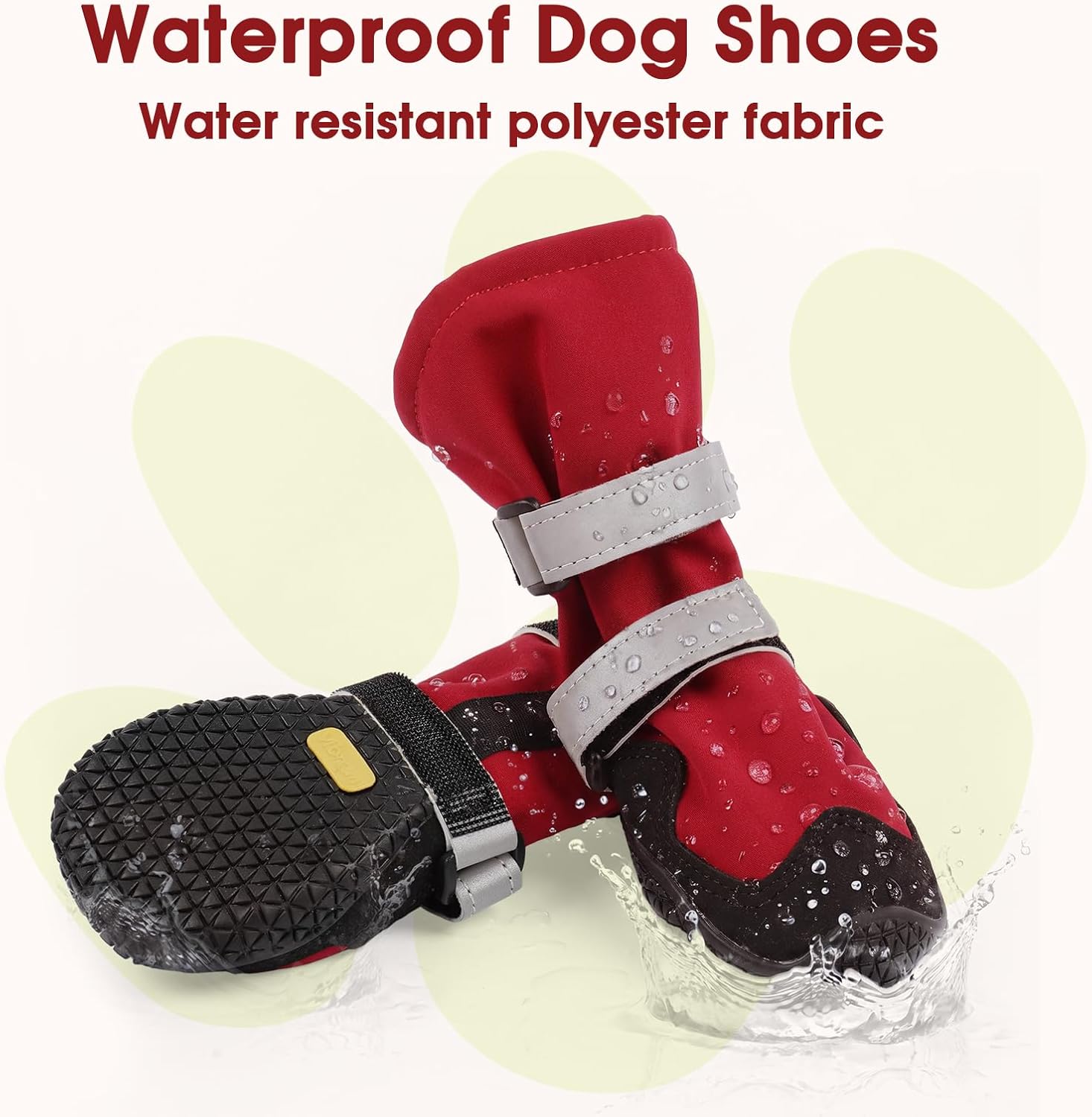
Equipping yourself and your dog with professional-grade gear transforms a risky mountain expedition into a controlled adventure. Proper canine footwear protects sensitive paw pads from abrasive volcanic rock, jagged shale, and sharp ice crystals.
Freezing snowfields frequently characterize high-altitude alpine terrain, making protective paw booties an absolute must-have. Furthermore, investing in a high-visibility, ergonomic lifting harness allows you to safely assist your dog over boulders.
Navigating tricky boulder fields or lifting your pet during emergencies becomes manageable with a sturdy rescue handle. Packing a specialized canine first-aid kit ensures you are fully prepared for unforeseen circumstances in the backcountry.

Include electrolyte packets, paw wax, sterile bandages, antiseptic wipes, and emergency thermal blankets in your pack. For outdoor enthusiasts looking to upgrade inventory, ensuring reliable equipment is paramount for wilderness success.
Explore comprehensive reviews and high-performance options by checking out trusted outdoor guides for trail recommendations. You can read specialized trail recommendations directly by visiting CarCampingPaws.com for expert advice.
Additionally, monitoring shifting weather patterns and preparing for sudden temperature drops keeps your dog safe from hypothermia. Temperature drops are standard above the tree line even during peak summer months in high alpine regions.
Equipping your backpack with lightweight, insulating canine apparel provides an essential thermal barrier against freezing winds. When selecting gear, quality, durability, and ergonomic comfort should guide purchasing decisions for rugged environments.
Top-tier portable silicone bowls and collapsible travel crates make traveling with pets seamless across diverse terrains. Explore recommended gear curated specifically for adventurous dog owners by checking industry leaders online. Visit external industry leaders like REI Outdoor Equipment for verified standards.
Managing and Treating Altitude Sickness in Dogs on the Trail
Proper equipment significantly reduces the likelihood of experiencing altitude sickness in dogs during remote wilderness trips. Despite meticulous planning, careful pacing, and top-tier equipment, rare instances of illness still occur on trails.
Altitude sickness in dogs requires immediate operational responses the moment symptoms are identified by handlers. The absolute moment you suspect distress, halt all forward progress and secure a sheltered resting area nearby.
Assess vital signs carefully, noting gum color, capillary refill time, and respiratory rate to gauge hypoxia. If pale or blue gums appear, or if respiratory distress persists after resting, immediate descent is mandatory.
Managing altitude sickness in dogs brooks zero delay when severe clinical manifestations begin to appear outdoors. Descending to lower elevations is universally recognized as the single most effective, life-saving treatment available.
Dropping two to three thousand feet down mountain slopes improves clinical symptoms almost instantly as pressure normalizes. Never attempt to wait out severe symptoms inside a tent overnight hoping natural acclimatization will occur. Conditions like pulmonary edema deteriorate into fatal emergencies quickly within a matter of a few hours.
Prioritize your dog's immediate health and safety over reaching a summit ridge or backcountry campsite. Having a clear contingency plan ensures you never hesitate when critical emergency decisions must be made.
Knowing the exact distance and elevation drop to the nearest vehicular access road saves precious time. Always communicate your hiking itinerary and expected return times with contacts off the mountain before departing.
Emergency Protocols and Veterinary Consultation for Hikers
External support mobilization depends entirely on reliable communication plans established prior to your trek. In situations where rapid descent is physically impossible due to terrain, robust emergency protocols save lives.
Keep emergency contact numbers saved on your mobile devices, recognizing that cellular reception is often nonexistent. A satellite messenger or personal locator beacon becomes an indispensable tool for serious backcountry travelers. Administer first-aid measures, keep your animal warm, and minimize physical movement to reduce oxygen consumption.
Stabilizing metabolic stress while you orchestrate an evacuation is critical during severe alpine emergencies. Following any significant episode of altitude sickness in dogs, seek professional veterinary care upon returning.
Scheduling a thorough veterinary examination upon returning to civilization rules out underlying cardiac abnormalities. Your veterinarian evaluates baseline health metrics and provides tailored recommendations for subsequent high-elevation travel.
Discussing specialized preventative medications with your veterinarian ensures safe preparation for future mountain trips. Embarking on a high-elevation mountain adventure with your loyal canine companion is an unforgettable experience for outdoor enthusiasts.
Breathing crisp alpine air, traversing scenic ridge lines, and watching your dog bound across meadows creates lifetime memories. However, soaring up into thin mountain air introduces unique physiological challenges that many pet owners unintentionally overlook. While humans anticipate fatigue and shortness of breath at high elevations, our four-legged friends are equally vulnerable.
Altitude sickness in dogs can strike unexpectedly if proper precautions are neglected during your ascent into alpine regions. Recognizing how changing oxygen availability and barometric pressure impact your dog is the foundational first step toward safety.
Every expedition party needs this vital knowledge to ensure a safe and extraordinarily enjoyable journey for everyone. When discussing comprehensive mountain exploration safety, understanding altitude sickness in dogs becomes an absolute priority for owners.
Just like people, dogs suffer from acute mountain sickness when ascending too rapidly into elevated regions where pressure drops. Oxygen molecules become significantly less concentrated per breath as you climb higher above sea level into backcountry territories. Many seasoned hikers erroneously assume that domestic and working animals possess an innate immunity to environmental extremes.
However, modern domesticated dogs experience physiological stress similar to humans when subjected to rapid elevation gains. Ignoring the subtle behavioral cues and physiological warnings your dog exhibits can quickly turn a getaway into a medical emergency.
Far away from professional veterinary assistance, an unexpected crisis requires proactive prevention strategies and immediate awareness. To fully appreciate canine alpine safety, one must recognize that elevation affects every organ system within a dog's body.
Transforming a fun weekend hike into a safe trek requires constant observation and deep dedication from every pet parent. Dogs cannot communicate verbal discomfort to their human handlers, meaning every subtle change in breathing must be interpreted.
The majesty of high-altitude landscapes often blinds travelers to harsh meteorological realities found above the tree line. Sudden windstorms, plunging temperatures, and severe ultraviolet radiation compound the physiological burden placed upon animals.
Preparing thoroughly for these multi-layered environmental factors ensures that your dog remains protected throughout every phase. Altitude sickness in dogs can be effectively prevented and managed when owners combine proper conditioning with trail planning.
To fully grasp why altitude sickness in dogs occurs, one must examine the fundamental atmospheric mechanics governing terrain. As you climb progressively higher above sea level, total atmospheric pressure decreases steadily across the open sky.
Air molecules are spread much further apart at higher elevations, changing the physical composition of every breath. Although actual oxygen percentages remain roughly constant at twenty-one percent, pressure reduction alters molecular density.
The barometric pressure reduction forces fewer oxygen molecules into the lungs with every single inhalation on the trail. This physical phenomenon directly reduces the saturation of oxygen circulating within the canine bloodstream, leading to hypoxia.
In dogs, this sudden deprivation of optimal oxygen levels forces cardiovascular and respiratory systems to work harder. Maintaining normal physiological equilibrium under these hypoxic conditions becomes an exhausting metabolic task for your pet.
Furthermore, physiological adaptation commonly known as acclimatization requires substantial time for canine biological systems to complete. When a dog is transported swiftly from a valley directly up to a mountain pass via vehicle, stress escalates. Aggressive rapid hiking bypasses natural biological adjustment windows that protect animals from altitude sickness in dogs.
The body lacks sufficient time to produce additional red blood cells, expand vascular beds, or adjust capillary density. This sudden mismatch between physical exertion demands and available oxygen availability triggers an acute cascade of stress.
Owners must remain exceptionally vigilant because individual canine susceptibility varies wildly based on breed genetics and age. Pre-existing respiratory or cardiac health conditions heighten vulnerability significantly when exploring high-elevation environments.
Brachycephalic breeds featuring shortened nasal passages face extreme risks of respiratory distress during strenuous climbs. Older senior dogs and sedentary pets also struggle immensely to maintain normal breathing patterns in thin mountain air.
Athletic, mountain-conditioned working breeds handle strenuous physical output much better, though no dog is completely immune. The metabolic cost of traversing rugged terrain under hypoxic conditions places immense strain on canine musculature and energy.
Frequently Asked Questions About Altitude Sickness in Dogs
Responsible wilderness pet ownership acknowledges biological boundaries and maintains a conservative safety approach.
Many pet owners approach hiking with numerous questions regarding how environmental changes impact their furry companions.
A frequent inquiry involves determining whether specific dog breeds possess total immunity against alpine illness.
No canine breed possesses absolute immunity, though athletic working breeds handle thin air better than others.
Sedentary pets and brachycephalic breeds struggle significantly with airflow restrictions during high-elevation excursions.
Altitude sickness in dogs affects every vulnerable animal differently depending on individual physiology and age.
Another frequent question concerns whether veterinarians prescribe specific medications for pets prior to alpine vacations.
While human travelers use prescription drugs like acetazolamide, dogs require strict veterinary oversight and dosing.
Weight-based dosing and health screening prevent adverse pharmacological reactions during high-elevation travel.
Consult primary veterinarians before attempting to use pharmaceutical aids for canine mountain travel adventures.
Travelers often ask how many days are required for proper acclimatization during extended camping trips.
Generally, allowing two to three days of gradual staging at intermediate elevations provides sufficient adjustment time.
Staging between five and eight thousand feet prevents acute mountain sickness in most healthy dogs.
Conclusion: Ensuring Safe and Memorable Alpine Adventures With Your Dog
Observing your pet closely during initial transition days remains vital when monitoring altitude sickness in dogs during mountain trips. Exploring majestic mountain landscapes alongside your loyal canine companion offers adventure while managing altitude sickness in dogs effectively.
Shared outdoor discoveries deepen companionship across alpine trails while keeping altitude sickness in dogs at the forefront of your plans. However, high-elevation environments carry inherent environmental responsibilities that every pet owner must respect regarding altitude sickness in dogs. Observing proper trail protocols protects your cherished pet from severe medical complications during mountain excursions.
Recognizing early warning signals and implementing disciplined acclimatization protocols ensures long-term safety. Professional-grade gear, proper hydration, and an unwavering commitment to safety make excursions joyful and carefree. Prioritizing immediate descent whenever altitude-related symptoms arise preserves your ability to explore mountains together.

Hit the Road, Camp with Paws! Discover more detailed personal survival stories, expert overland gear reviews, and comprehensive vehicle camping guides at CarCampingPaws.com.
One Comment
Comments are closed.